

Water Catchments in Dominica
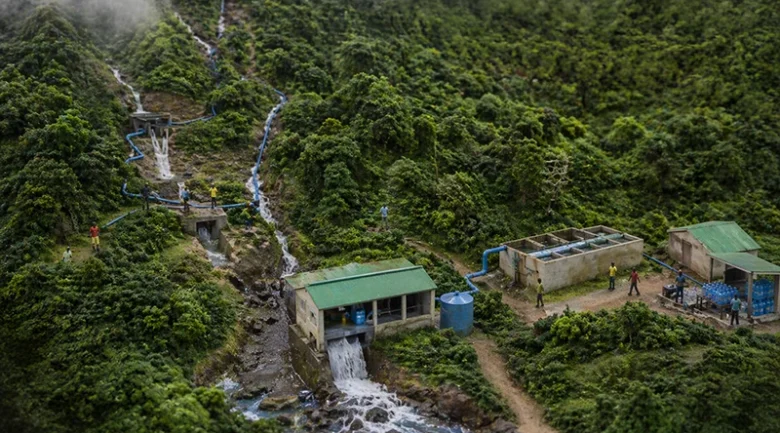
Water Catchments in Dominica constitute the vital hydrological infrastructure of the Nature Island, translating the sky’s abundance into the nation’s most strategic liquid asset. Often called the “Land of 365 Rivers,” Dominica is divided into 35 designated watershed management areas that act as the collection and distribution systems for the nation’s intense tropical rainfall. These catchments are the terrestrial foundations of the island’s Blue Economy, serving as the source of domestic drinking water, industrial bottling, hydroelectric power, and emerging regional water exports. Today, these areas are under intensified management to ensure that the island remains the “Water Tower of the Caribbean” amidst shifting regional climate patterns.
Strategic Function and Role of Catchment Areas
Dominica’s water catchments perform a multi-dimensional role that transcends simple water storage. Their primary function is to capture high-intensity rainfall, which can exceed 7,000 mm annually in the central highlands, and filter it through volcanic basalt and forest floors to create some of the purest freshwater on Earth.
- Hydropower Production: The Roseau River Watershed is the nation’s Energy Basin, powering multiple hydroelectric stations that provide over 25% of the island’s electricity.
- Regional Export (Blue Gold): The government has recently formalised plans to barge bulk water to drought-stricken neighbours, transforming these catchments into a major foreign exchange earner.
- Agricultural Irrigation: In the eastern breadbasket, catchments like Castle Bruce provide the consistent flow necessary for high-volume organic farming.
- Climate Buffering: Intact catchments act as natural flood mitigators, using forest canopies to slow down water runoff during storm events, thereby protecting coastal infrastructure.
Legislative Pillars: Acts Supporting Water Management
The governance of these catchments is a sophisticated legal endeavour, ensuring that the state maintains control over the commons while allowing for sustainable commercial use.
Water and Sewerage Act (Chapter 43:40)
This Water and Sewerage Act grants Dominica Water and Sewerage Company Ltd (DOWASCO) the exclusive license to develop and control water supply facilities. It defines gathering grounds and catchments and provides the legal authority to prohibit deforestation and animal grazing within protected zones to maintain the purity of the source.
Water Resources Act (2020 / 2026 Updates)
The Water Resources Act establishes the Water Resources Authority (WRA), which oversees the allocation of water rights. The Act includes specific Geothermal Synergy clauses to ensure that the Roseau Valley geothermal project does not interfere with freshwater aquifers. It mandates a National Water Resources Master Plan that integrates catchment protection into the National Resilience Development Strategy 2030.
The Primary River Basins and Management Zones
The island is divided into specific hydrological regions to manage water resources effectively. These management zones ensure sustainable usage, environmental protection, and organized distribution across the diverse local landscape.
Layou River Watershed
The island’s largest basin, the Layou River watershed, drains the massive central highlands. It is an industrial and agricultural powerhouse, supporting the aggregate industry while serving as a primary site for river-based tourism. Management here focuses on stabilising volcanic banks against the high-velocity “flashiness” common during hurricane seasons.
Roseau River Watershed
Often referred to as the “Energy Basin,” the Roseau River catchment is the most industrialised in terms of utility. It feeds the DOMLEC hydroelectric grid and the Roseau Valley tourism corridor. It is the center of the “Blue Gold” initiative, where mountain-filtered water is captured for both domestic consumption and export.
Pagua River Watershed
The Pagua River drains the eastern slopes into Pagua Bay, and this is the largest Atlantic-draining system. It serves as a vital spiritual and practical resource for the Kalinago Territory. Conservation efforts here prioritise the preservation of riparian buffers to protect the traditional fishing and foraging grounds of the indigenous community.
Indian River Watershed
Located in the northwest, this catchment is unique for its protected mangrove estuary. Unlike high-energy mountain streams, Indian River management focuses on Low-Impact Eco-tourism. It is a centrepiece of the Portsmouth economy, where the focus is on maintaining the delicate balance between freshwater outflow and marine salinity.
Clyde River Watershed
The Clyde River catchment is the primary hydrological support system for the infrastructure surrounding the Douglas-Charles Airport (DOM). Because of its proximity to national transport hubs, management includes high-tech siltation monitoring to prevent upland runoff from affecting airport operations or the northern trade routes.
Castle Bruce Watershed
This catchment drains a massive alluvial plain, supporting the island’s eastern breadbasket. The Belle Fille River, its primary artery, is managed through Sustainable Land Management (SLM) projects that encourage farmers to use organic buffers. This prevents agricultural chemicals from entering the water cycle, protecting both local food and the health of the Atlantic reef.
Picard River Watershed
Serving the growing residential and educational hub of Portsmouth, the Picard River catchment is essential for the northern population’s stability. Management here is urban-centric, focusing on Source Protection as the town expands. It is a model for integrated water management in which residential growth must be balanced with the forest’s recharge rates.
The Eternal Flow of a Resilient Nation
The water catchments of Dominica are the silent architects of our national destiny, weaving together the emerald ridges and the deep blue sea. Every gallon of water that cascades from the volcanic peaks to the coastal villages carries with it the promise of life, energy, and economic sovereignty. As we navigate the complexities of climate change, these 35 watersheds have transitioned from mere geographical features to our most valuable national security assets. They are the insurance policy for our future, the fuel for our green energy transition, and the primary source of our regional diplomacy. By protecting the integrity of these gathering grounds, we are safeguarding the very heartbeat of the Nature Island.
Our commitment to these watersheds is a covenant with generations yet unborn, ensuring that Dominica remains a sanctuary of abundance. The water of Dominica is our heritage and our strength, flowing eternally as a testament to our resilience in a thirsty world.


References
-
1.
Water Catchment Rules 1995 (S.R.O. 11) https://dominica.gov.dm/laws/1995/sro11-1995.pdf
-
2.
Water Catchment Area Regulations (S.R.O. 13 of 1995) https://faolex.fao.org/docs/pdf/dmi15038.pdf
-
3.
Dominica’s Water Described as Top Quality in the Region https://news.gov.dm/news/news-items/dominica-s-water-described-as-top-quality-in-the-region
-
4.
National Forest Policy (2022) https://dominica.gov.dm/images/docs/govt_pubs/national_forest_policy_march_2022.pdf