

Rural Economy in Dominica
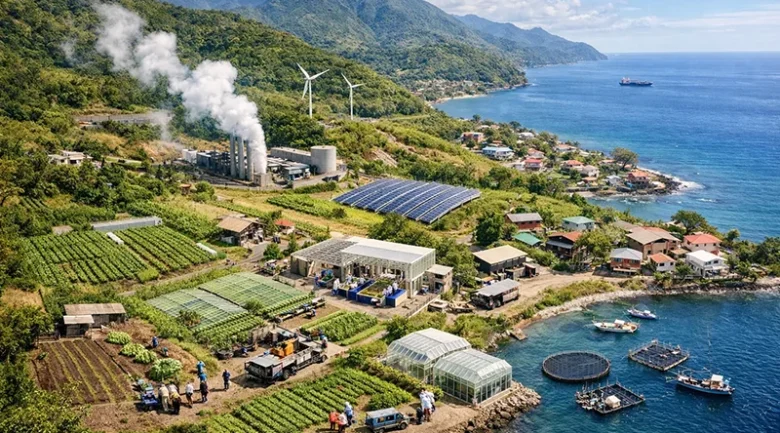
The rural economy in Dominica is currently undergoing a structural reset, transitioning from a traditional, subsistence-based agrarian model to a high-tech, resilient industrial and service-oriented landscape. This shift is being fueled by a historic $700 million (XCD) agricultural GDP target for 2030 and the strategic integration of geothermal energy into rural communities. In Dominica, “rural” and “economy” are functionally synonymous; with a population of approximately 72,000, the vast majority of residents live in coastal villages or mountain hamlets that depend directly on the island’s unique natural capital.
The macroeconomic backdrop for this rural transformation is one of steady growth. According to the IMF’s March 2026 Article IV Mission, Dominica’s real GDP growth accelerated to 4.5% in 2025, with a projected average of 3.0% for 2026–2027. This growth is not merely a number on a ledger; it reflects massive public sector investments in rural infrastructure, including resilient feeder roads, geothermal transmission lines, and the modernisation of the agricultural supply chain. Inflation has eased to 2.3%, providing a stable environment for rural entrepreneurs and small-scale farmers to reinvest in their operations.
The $700 Million Agricultural Modernisation Strategy
The Ministry of Agriculture’s roadmap aims to increase the sector’s contribution to national GDP from current levels to $700 million by 2030. To achieve this, the government has moved away from a banana-only mindset toward a diversified, high-value framework known as the Five Cs strategy.
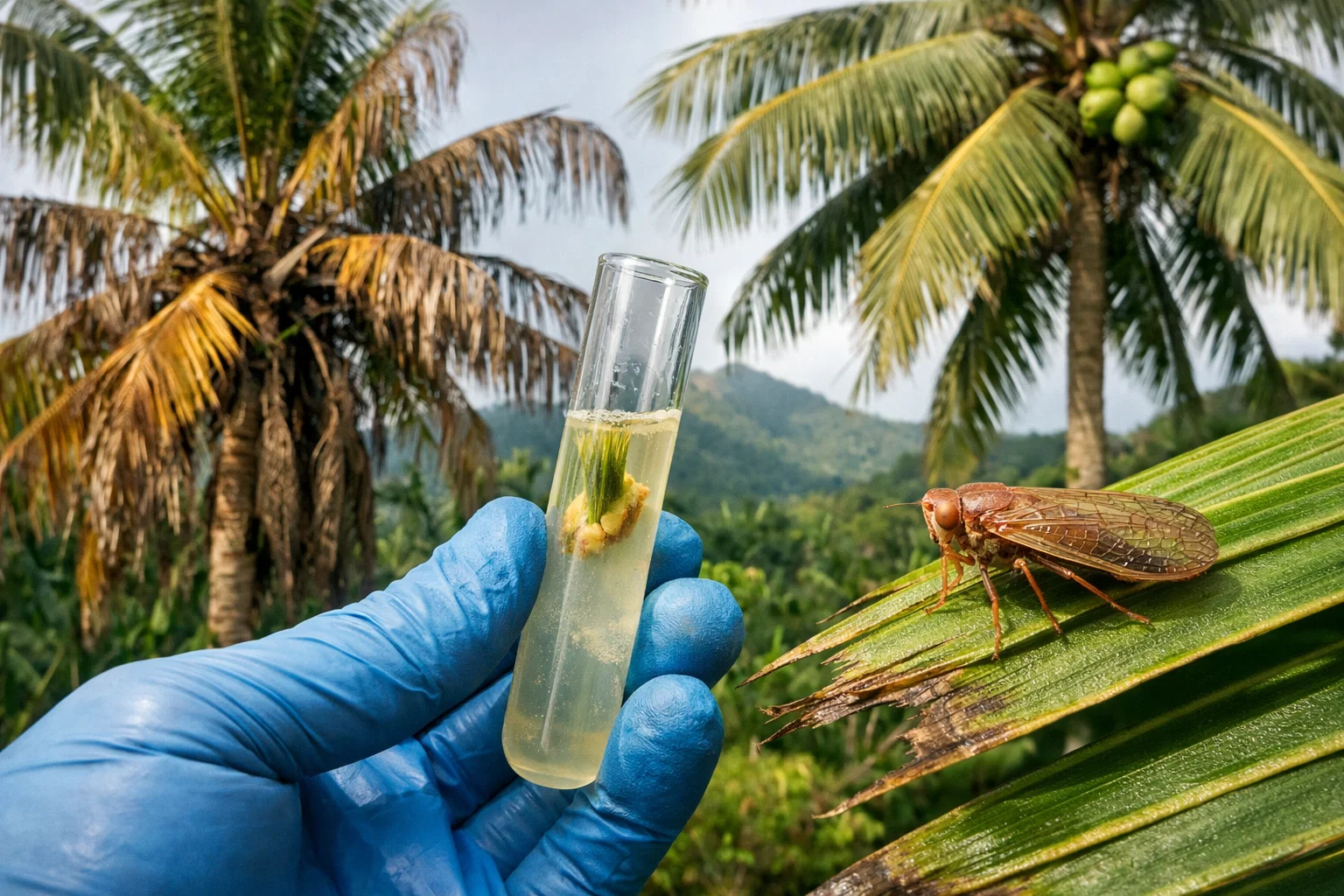
- Citrus: A new EC$7.8 million Citrus Certification Facility in Londonderry is now fully operational. This facility produces up to 50,000 disease-free plants per 18-month cycle, specifically designed to withstand “Citrus Greening” (HLB) and revitalise an industry that was once a regional powerhouse.
- Cocoa & Coffee: These crops are being repositioned for the fine-flavour global market. The rural economy is seeing a rise in bean-to-bar chocolate boutique factories, which increase the per-pound value of cocoa by over 400% compared to raw exports.
- Coconut: The focus has shifted to coconut water and virgin oil production. Through the Emergency Agricultural Livelihoods and Climate Resilience Project (EALCRP), thousands of high-yield Brazilian green dwarf seedlings have been distributed to rural farmers in the Northeast and East regions.
- Cassava: Identified as the primary vehicle for food sovereignty, cassava production is being scaled in the Kalinago Territory. The establishment of modern cassava processing plants is turning a traditional staple into a commercial flour substitute, reducing the island’s reliance on imported wheat.
- Cannabis (The “Silent C”): While still in the early stages of industrialisation, the legislative framework for a medicinal cannabis industry is designed to allow rural smallholders to participate in a regulated, high-value pharmaceutical export market.
Beyond crops, the livestock sector has seen the most dramatic industrial leap. The government issued a call for a Public-Private Partnership (PPP) to manage the new $5.6 million National Abattoir at Layou Park. This facility is a rural economic engine, capable of processing 5,000 birds per day and 50 pigs per hour. By centralising processing, the government expects to reduce meat imports by 30%, effectively circulating millions of dollars back into the pockets of rural livestock farmers rather than sending it abroad to international wholesalers.
The Blue Economy and Coastal Livelihoods
While the island’s interior focuses on the soil, the coastal rural economy, home to approximately 50,000 residents, is pivoting toward the Blue Economy. With an Exclusive Economic Zone (EEZ) of roughly 28,500 km² (nearly 38 times its landmass), Dominica’s maritime wealth is now being scientifically managed to ensure long-term rural stability.
- Sperm Whale Reserve: Established in early 2026, the world’s first dedicated Sperm Whale Reserve covers nearly 800 km² of marine habitat off the west coast. This conservation effort has transformed the rural tourism sector in villages like Scotts Head and Soufrière. Direct expenditure from whale-watching is now estimated at nearly $2 million USD annually, supporting a network of local captains, dive shops, and eco-certified guides.
- Fisheries Infrastructure: The Roseau Fisheries Complex and the Marigot Fisheries Complex, modernised with Japanese grant aid, provide rural fishers with ice-making facilities and hygienic storage. This cold chain allows fishers to sell Grade A tuna and mahi-mahi to the island’s burgeoning luxury eco-resorts at prices 25% higher than traditional local market rates.
- Aquaculture Pilots: In 2026, the World Bank reported the first successful harvests from community-led tilapia and shrimp ponds in the southern regions. These pilots provide a stable, weather-proof protein source for rural communities that are otherwise vulnerable to the seasonal fluctuations of open-ocean fishing.
- Marine Tourism: Yachting and small marina services in Portsmouth (Prince Rupert Bay) have become a vital seasonal revenue stream. The Citizenship by Investment (CBI) program has funded the expansion of marina berths, enabling the rural north to capture a larger share of the high-net-worth blue nomad market.
Geothermal Energy and Rural Industrialisation
The most significant long-term shift in the rural economy is the industrialisation of the valleys. Historically, heavy industry was avoided in Dominica due to the high cost of imported diesel. However, the 10 MW Geothermal Power Plant in Laudat has changed the economic calculus for rural communities in the Roseau Valley and beyond.
- Stable Energy Prices: The transition to geothermal is projected to significantly lower energy-related fuel import needs. For rural small businesses, this means a reduction in overhead costs of approximately 15–20%, allowing agro-processors to operate machinery for more hours per day without the fear of fluctuating oil prices.
- Green Industrial Eco-Parks: Plans are currently being finalized for a Green Eco-Industrial Park (GEIP) near the Northern Geothermal Zone. This park will utilise surplus geothermal heat for industrial-scale drying of crops (like ginger and turmeric) and the synthesis of green ammonia for local fertiliser. This effectively turns a rural village into a high-tech export hub, providing jobs for chemical engineers and technicians in areas where employment was previously limited to manual labour.
- Transmission and Connectivity: The installation of hurricane-resistant underground transmission lines, ensures that rural energy security is maintained even during extreme weather. This reliability is a prerequisite for attracting foreign direct investment (FDI) into rural tourism and manufacturing projects.
A Global Blueprint for Rural Resilience and Prosperity
The social fabric of the rural economy is also being mended through the Skill Immersion initiative. Recognising that the agricultural sector and the energy sector require new competencies, the Dominica State College and the National Employment Program (NEP) have launched vocational training in high-pressure steam management, solar-grid maintenance, and greenhouse technology. By 2030, over 3000 rural youth will have participated in these programs, aiming to reduce the brain drain that has historically seen the island’s brightest minds migrate to urban centres or overseas.
Finally, the rural economy is bolstered by a “Nature-First” tourism brand that distributes wealth more equitably than traditional Caribbean models. Recognition from National Geographic as a “Top Destination” has solidified Dominica’s appeal to eco-conscious travelers. The Waitukubuli National Trail (WNT), the longest hiking trail in the Caribbean, passes through 14 rural segments, supporting a homestay economy where villagers provide lodging and traditional meals. This decentralised tourism model ensures that the economic benefits of visitors stay in the village, supportingsmall shops, bakeries, and artisans who form the backbone of rural life.
Dominica’s rural economy is no longer a relic of the colonial plantation era. It is a sophisticated, integrated system that harnesses volcanic heat, tropical rainfall, and fertile soil through modern technology and strategic international partnerships. While challenges remain, specifically regarding the high national debt and the inherent risks of natural disasters, the “Nature Island” is providing a global blueprint for how rural communities can lead a nation’s transition to a green, resilient, and prosperous future.


References
-
1.
Dominica to establish modern national agro-processing facilities to boost pepper sauce and honey industry https://wicnews.com/dominica-news/dominica-to-establish-modern-national-agro-processing-facilities-to-boost-pepper-sauce-and-honey-industry
-
2.
Dominica Invests Nearly EC$1 Million in Farmers to Boost Food Security https://dbcradio.net/dominica-invests-nearly-ec1-million-in-farmers-to-boost-food-security/
-
3.
Citrus Certification Centre https://www.anichidevelopment.com/dominica-budget/
- 4.
-
5.
Climate-Smart Agriculture (ESSAA-1) https://www.undp.org/barbados/projects/enhancing-smart-sustainable-agriculture-and-agro-processing-climate-resilience-dominica
-
6.
DOMCREP Resilience Project https://pressroomopm.gov.dm/dominica-signs-ec70-million-climate-resilience-project-with-green-climate-fund/