Skill Immersion in Dominica
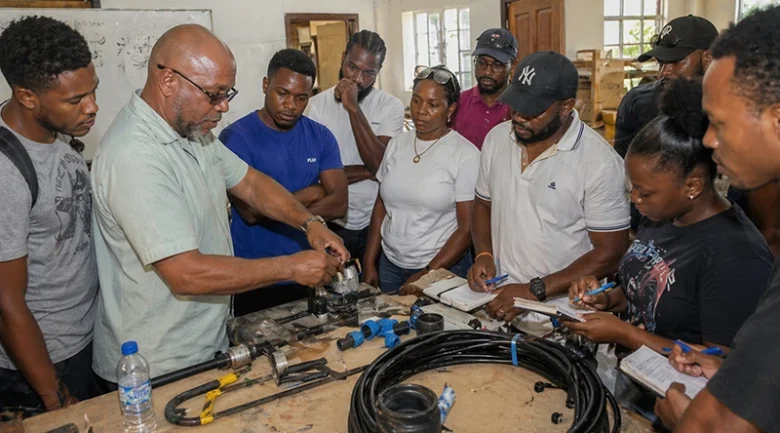
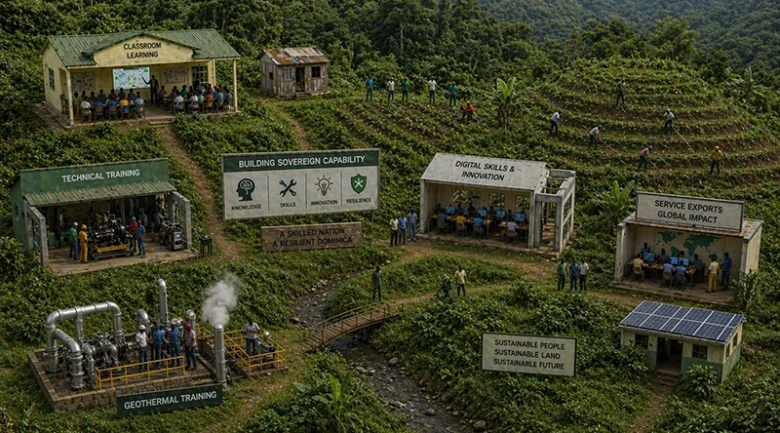
Skill immersion programs in Dominica are closely linked to Sustainable Land Management, as the nation builds a workforce with the technical expertise to maintain its ecological and physical resilience. The transition from a traditional, commodity-based economy to a climate-resilient, service-oriented state requires a fundamental reimagining of how citizens acquire and apply knowledge. This process is not merely about classroom learning but also involves deep-site immersion in technical disciplines ranging from geothermal engineering to digital service exports. By analysing the evolution of these programs, one can observe a strategic shift toward “Sovereign Capability,” in which the island reduces its reliance on external consultants by cultivating specialised local talent.
Historical Context of Educational Evolution
The historical roots of skill acquisition in Dominica were long defined by a British colonial education model that prioritised academic and clerical proficiency over technical mastery. Following independence in 1978, the island recognised that its reliance on an agrarian economy, specifically the banana industry, required a workforce with different competencies. During the 1980s and 1990s, the establishment of the Technical and Vocational Education and Training (TVET) framework marked the first major pivot toward skill immersion. This era saw the consolidation of various learning centres into what would eventually become the Dominica State College (DSC), aiming to bridge the gap between secondary education and the specific needs of the labour market.
Disaster-Driven Re-Skilling Paradigms
The trajectory of skill development took a radical turn following major meteorological events, most notably Hurricane David in 1979 and Hurricane Maria in 2017. These hurricanes served as brutal data points that highlighted the fragility of existing construction and agricultural skills. Historically, the informal apprenticeship model, where knowledge was passed down without standardised certification, led to inconsistencies in structural integrity. In the wake of these events, the government and international partners, such as the United Nations Development Programme (UNDP), launched intensive building back better workshops. These programs immersed local artisans in Caribbean Uniform Building Code (CUBIC) standards, transforming the masonry and carpentry sectors into specialised resilience trades.
- National Employment Programme (NEP): Launched in 2013, the NEP has historically placed over 3,000 interns into various sectors, providing a state-subsidized bridge between education and professional immersion.
- Work Online Dominica: A strategic initiative that has trained hundreds of young Dominicans in the gig economy skills of SEO, virtual assistance, and digital marketing to combat youth unemployment.
- CREAD Skills Training: The Climate Resilience Execution Agency for Dominica has facilitated the certification of hundreds of contractors in resilient roofing and seismic-resistant construction techniques.
- Dominica State College (DSC) TVET Expansion: The integration of renewable energy and geothermal technology modules into the national associate degree curriculum to support the green energy transition.
- Caribbean Skills and Knowledge Project: A multi-million dollar regional initiative funded by the World Bank to modernise vocational training centers and align them with global industrial standards.
The NEP and Workplace Immersion
The National Employment Programme represents the largest socio-economic skill immersion experiment in the island’s history. Established as a response to global economic shifts, the NEP was designed to absorb graduates and displaced workers into the labour force through direct placement. Data from the first decade of the program indicate that it successfully reduced the youth unemployment rate by providing immediate income while facilitating on-the-job training. This model immerses individuals in the operational realities of the public and private sectors, providing a practical understanding of administrative, agricultural, and tourism-based workflows that cannot be replicated in a purely academic environment.
However, the NEP has evolved beyond simple job placement into a strategic training engine. In the mid-2020s, the program shifted its focus toward “High-Priority Resilience Sectors.” This means that interns are no longer just placed in clerical roles but are increasingly funnelled into environmental management, renewable energy projects, and health services. This immersion ensures that the state has a reservoir of “Ready-to-Deploy” human capital that understands the specific logistical and topographic challenges of the Dominican landscape. By funding these placements, the government effectively de-risks the hiring process for small businesses, encouraging the private sector to participate in the long-term skill-building mandate.
Digital Economy Transition and Remote Work Skills
The Work Online Dominica program is a critical pillar in diversifying the island’s skill set. Historically, the geographic isolation of a small island served as a barrier to global employment. The digital immersion program, launched in partnership with IsraAID and the UNDP, sought to dismantle this barrier by teaching “Digital Nomad” competencies. Participants are immersed in an intensive 12-week curriculum that covers international payment platforms, client communication, and specialized software proficiency. Data from pilot cohorts showed that over 60% of participants secured international freelance contracts within six months of completion, effectively bringing foreign currency into the local economy without requiring physical migration.
The Rise of the Digital Hubs
To support this digital immersion, the government has invested in infrastructure, including Innovation Hubs and a nationwide fibre-optic backbone. These hubs provide the physical space for peer-to-peer learning and collaborative problem-solving. By providing high-speed internet and high-end hardware in rural parishes, the state ensures that digital skill immersion is not confined to the capital, Roseau. This decentralised approach allows for a spatial distribution of skills, ensuring that even remote communities in the east and north can participate in the global digital economy. This is particularly relevant for the Kalinago Territory, where digital skills provide a sustainable alternative to traditional land-intensive livelihoods.
- Digital Literacy Rate: Historical census data indicates a steady rise in computer literacy from 45% in 2001 to over 80% in the modern digital era.
- Telecommunications Infrastructure: The investment of millions in subsea cable redundancy ensures that the Digital Immersion model is not interrupted by regional storm activity.
- Freelance Revenue Growth: Estimates suggest that the Work Online cohort contributes significant annual revenue to the domestic economy through remote service exports.
- Global Certification Access: Programs now include pathways to Google, Microsoft, and AWS certifications, providing Dominicans with globally recognised digital passports.
- Youth Entrepreneurship Fund: A financial mechanism that provides grants to digital skill graduates to launch their own tech-based startups.
Technical Vocationalism and the Green Energy Sector
As Dominica moves toward energy sovereignty through geothermal and hydroelectric power, the demand for specialised technical skills has reached an all-time high. Skill immersion in this sector involves high-level training in thermodynamics, mechanical engineering, and high-voltage electrical maintenance. Historically, these specialised roles were filled by foreign experts from nations with established geothermal sectors, such as Iceland or New Zealand. However, our current strategy is a comprehensive knowledge-transfer model that embedded local engineers during the construction and commissioning phases of the Geothermal Power Plant in Laudat.
This immersion extends beyond the engineers to include the technicians and linemen who manage the national grid. The transition to a Smart Grid requires a workforce capable of managing variable loads from renewable sources and maintaining infrastructure in harsh, volcanic environments. The Dominica State College has played a vital role here, partnering with regional organisations like the Caribbean Renewable Energy Development Programme (CREDP) to provide hands-on workshops. Students are immersed in real-world scenarios, learning to troubleshoot solar-hydro hybrid systems and manage the battery storage facilities that are increasingly common in resilience-focused Micro-Grids.
- Geothermal Technical Training: Intensive workshops facilitated by international drilling experts to prepare local crews for the maintenance of high-pressure volcanic wells.
- Solar Photovoltaic (PV) Certification: Standardized training programs that have certified dozens of local electricians in the safe installation of hurricane-resistant solar arrays.
- Hydroelectric Maintenance Protocols: Ongoing skill immersion for DOMLEC technicians to manage the aging yet critical hydro-infrastructure in the Roseau Valley.
- Green Hydrogen Feasibility: Preliminary training and research modules were introduced to explore the long-term potential of using surplus geothermal energy for hydrogen production.
- Technical Apprenticeships: Partnerships with private renewable energy firms that allow students to complete a significant portion of their degree in the field.
Agricultural Skills and Sustainable Land Management
Agriculture remains the cultural and economic heart of Dominica, but the methods of the past are being replaced by Climate-Smart immersion. Farmers are being retrained to move away from heavy chemical inputs and toward regenerative agriculture. This involves deep immersion in soil science, composting, and integrated pest management (IPM). The Sustainable Land Management project provides the data and framework, but the skill immersion programs provide the human capacity to execute it. Farmers learn how to read the land, using GPS and soil sensors to optimise fertiliser use and prevent the runoff that damages marine ecosystems.
Bio-Engineering and Soil Conservation Mastery
The deployment of Vetiver grass and other bio-engineering solutions requires a specific set of skills that combine traditional botanical knowledge with modern engineering principles. Skill immersion programs in the Saint Andrew and Saint David parishes have focused on the “Contour Method,” teaching farmers how to layout hedgerows to maximize soil retention. This is a technical discipline that requires precise measurement and an understanding of slope dynamics. By mastering these skills, rural communities become the primary defenders of the island’s geomorphic stability, reducing the need for expensive, concrete-heavy infrastructure projects.
- Climate-Smart Pilot Farms: Established across the island to serve as living classrooms where farmers can observe the yields of sustainable versus traditional methods.
- Agro-Processing Training: Programs focused on adding value to raw products, such as drying medicinal herbs or fermenting cocoa, to increase the profit margins for smallholders.
- Soil Health Monitoring: Training for extension officers to use portable soil testing kits, providing real-time data to farmers in the field.
- Drip Irrigation Implementation: Skill immersion in the installation and maintenance of water-efficient systems to combat the increasing frequency of seasonal dry spells.
- Organic Certification Standards: Workshops that help farmers navigate the complex legal and biological requirements for the lucrative international organic export market.
The Strategic Future of Global Mobility and Skill Retention
The final component of skill immersion in Dominica concerns the balance between global mobility and local retention. Historically, the Caribbean has suffered from Brain Drain, where the most highly trained citizens migrate to North America or Europe for better wages. The modern Dominican strategy seeks to transform this into brain circulation. By providing high-level, globally recognised certifications, the island ensures its citizens are competitive anywhere in the world. However, by creating a resilient, high-tech economy at home, powered by geothermal energy and digital hubs, the government provides a compelling reason for these skilled individuals to remain or return.
Skill immersion is the Software that runs the hardware of Vision 2030. Without a workforce to maintain the new hospitals, operate the geothermal turbines, and preserve the fertile volcanic soils, the island’s physical infrastructure remains vulnerable. The ongoing investment in programs such as the NEP, Work Online, and TVET expansion represents a long-term commitment to human dignity and national sovereignty. By focusing on the acquisition of high-value, specialised skills, Dominica is not just preparing for the next hurricane; it is preparing for a place in the global economy where its small size is no longer a disadvantage but a source of agile, resilient expertise.
- Professional Licensing Boards: The establishment of national bodies to standardize and regulate the quality of technical services across the island.
- Incentives for Returnees: Programs designed to encourage the Dominican diaspora to bring their skills back to the island in exchange for business tax credits.
- Sectoral Skill Audits: Regular assessments by the Ministry of Education to identify gaps in the labor market before they become economic bottlenecks.
- Bilateral Training Agreements: Partnerships with nations like Cuba, China, and Venezuela that have historically provided scholarships for Dominican students in medicine and engineering.
- Lifelong Learning Culture: The promotion of continuous skill upgrading through online platforms and evening classes at the Dominica State College.
The path forward for Dominica is one of constant adaptation. The data collected from the first decade of these immersion programs shows a clear correlation between specialised training and economic resilience. As the island continues to navigate the complexities of a changing climate and a shifting global market, its primary defense will always be the ingenuity and skill of its people. By ensuring that every citizen has the opportunity to immerse themselves in the technologies and methodologies of the future, Dominica is building a foundation that is as solid as the volcanic rock upon which it stands. This human-centric approach to resilience ensures that the island’s identity is not defined by its disasters, but by the sophisticated way in which it overcomes them through the power of applied knowledge.


References
-
1.
Goodwill Secondary School TVET Center https://dominicanewsonline.com/news/homepage/homepage-carousel/dominicas-ministry-of-education-enhances-vocational-training-for-workforce-development/
-
2.
Youth Development Division (YDD) Skills Training http://youthdivision.gov.dm/programmes/4-h-programme
-
3.
National Skills Training Survey https://emonewsdm.com/youth-development-division-launches-national-skills-training-survey-to-empower-dominicas-youth/