
Renewable Energy Sector in Dominica
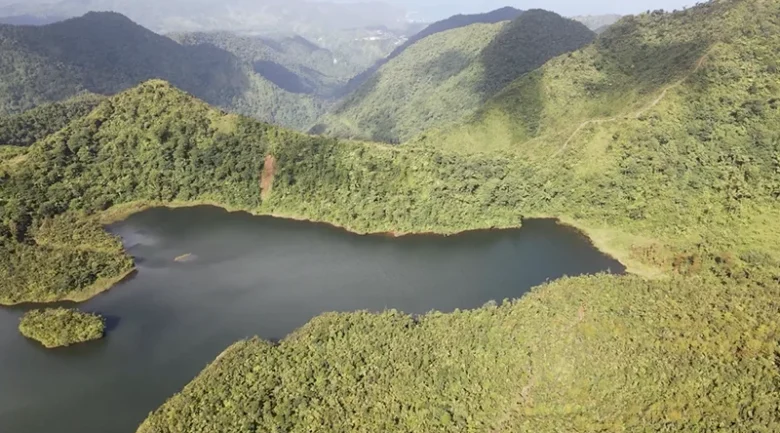
As energy policy evolves, renewable energy has become one of the key sectors shaping Dominica’s efforts to achieve greater resilience, affordability, and long-term security in its electricity supply. Known as the “Nature Island of the Caribbean“, it leverages its abundant natural resources, geothermal, hydroelectric, solar, and wind energy, to reduce reliance on imported fossil fuels, lower energy costs, and mitigate the impacts of climate change. The government‘s goal is to attain 100% clean energy generation by 2030, positioning the island as a leader in sustainable development.
Dominica’s Sustainable Energy Initiatives
Dominica actively invests in sustainable power projects to achieve its non-fossil fuel energy goals. Central to these efforts are developments in hydroelectric power operated by DOMLEC, geothermal energy exploration, and the adoption of solar and wind technologies, all of which aim to reduce dependence on fossil fuels and promote environmental sustainability.
Hydroelectric Power and DOMLEC
The Dominica Electricity Services Limited (DOMLEC) is the sole electricity utility company responsible for generating, transmitting, and distributing electricity across the island. Hydroelectric power has been a cornerstone of Dominica’s energy sector since the mid-20th century. DOMLEC operates several hydroelectric power stations:
- Trafalgar Power Station: Commissioned in 1952 and located near the Trafalgar Falls, this facility utilizes the Roseau River‘s flow with an installed capacity of approximately 1.88 MW.
- Padu Power Station: Situated on the Padu River and commissioned in 1986, it has an installed capacity of about 1.6 MW.
- Laudat Power Station: Located in Laudat, this plant contributes significantly to the national grid by harnessing the Laudat River.
These hydroelectric plants collectively provide around 30% of Dominica’s electricity, reducing reliance on diesel generators and lowering greenhouse gas emissions.
Geothermal Energy Development and DGDC
Recognizing its volcanic origins, Dominica has substantial geothermal potential. The Dominica Geothermal Development Company (DGDC), established in 2016, is a state-owned entity tasked with tapping into and developing Dominica’s geothermal activity for sustainable energy production.
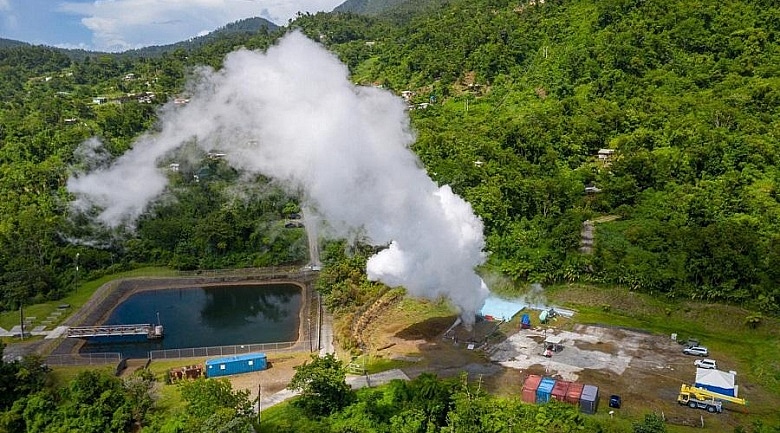
Laudat Geothermal Energy Plant
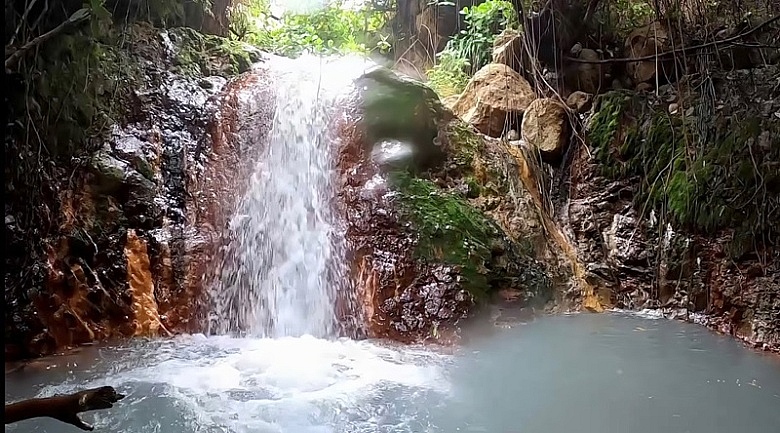
- Exploration and Development: Initial exploration began in the early 2000s, with test drilling confirming the presence of high-temperature geothermal reservoirs in the Roseau Valley, particularly around Laudat and Wotten Waven.
- Project Details: The DGDC is developing a 7 MW geothermal power plant in Laudat, expected to meet up to 50% of the island’s electricity demand upon completion.
- Funding and Support: The project has secured over US$50 million in funding from international partners, including the World Bank, Caribbean Development Bank, and the Government of New Zealand.
- Future Plans: The plant’s capacity is planned to be expanded to 20 MW, and excess energy could potentially be exported to neighbouring islands via submarine cables.
Regulation by the Independent Regulatory Commission (IRC)
The Independent Regulatory Commission (IRC), established under the Electricity Supply Act of 2006, regulates Dominica’s electricity sector. Its responsibilities include:
- Licensing: Issuing licenses to electricity providers and ensuring compliance with regulatory standards.
- Tariff Setting: Reviewing and approving electricity rates to balance consumer interests with utility sustainability.
- Promoting Alternative Energy: Encouraging the integration of these energy sources into the national grid and fostering investment in sustainable energy projects.
The IRC is crucial in overseeing DOMLEC’s operations and ensuring alignment with national natural energy goals.
Solar and Wind Energy Adoption
While geothermal and hydroelectric power are central to Dominica’s green energy strategy, solar and wind energy are increasingly adopted at the private level:
Solar Energy:
- Residential and Commercial Installations: Many households and businesses are installing solar photovoltaic systems to reduce electricity costs and enhance energy security.
- Government Initiatives: Implementation of solar street lighting and solar installations on public buildings, including schools and health centres.
Wind Energy:
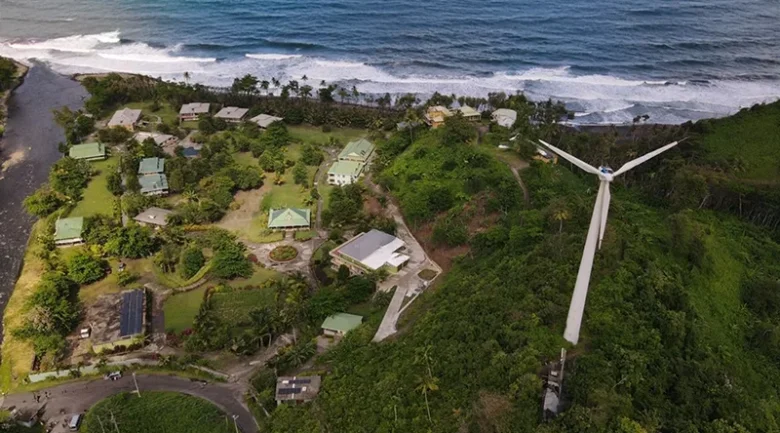
- Private Installations: Some residences and agricultural operations have installed small-scale wind turbines, particularly in coastal and elevated areas with favourable wind conditions.
These efforts help diversify the energy mix and promote sustainable practices among citizens.
Challenges and Future Outlook
Dominica faces challenges in fully realising its potential:
- Natural Disasters: The island is susceptible to hurricanes and tropical storms, which can damage infrastructure. Hurricane Maria in 2017 caused significant setbacks to energy facilities.
- Financial Constraints: High initial investment costs for clean energy projects necessitate substantial funding and international assistance.
- Technical Expertise: Developing local expertise in technologies requires capacity-building initiatives.
Future Plans:
- 100% Clean Energy by 2030: The government aims to achieve complete reliance on alternative energy sources within the next decade.
- Infrastructure Resilience: Strengthening energy infrastructure to withstand natural disasters through robust design standards.
- Community Engagement: Involving local communities in projects to foster ownership and ensure sustainability.
By pursuing these initiatives, Dominica aims to reduce energy costs, promote sustainable development, and position itself as a leader in renewable energy in the Caribbean. The successful implementation of these projects will contribute to environmental preservation and enhance energy security and economic growth for the island nation.


