


Rainy Season
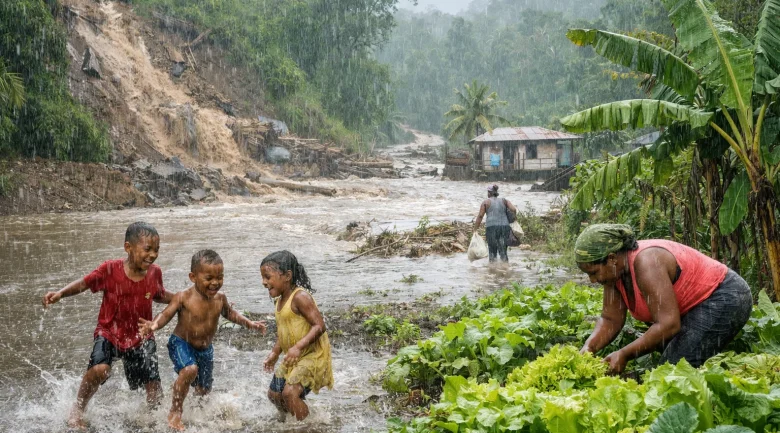
The rainy season, colloquially known as the “wet season,” is the defining climatic period for the Commonwealth of Dominica. Stretching primarily from June to December, this period is characterised by high humidity, lush tropical growth, and a significant increase in precipitation frequency and intensity. While rain is a year-round feature of the montane forests, the official rainy season dictates the agricultural cycle, disaster preparedness, and travel patterns across the island.
1. Seasonal Timeline and Precipitation Patterns
The transition from the dry to the wet season typically begins in late May, with the most intense activity peaking between August and October.
- June – July: The initial onset, often marked by short, heavy afternoon downpours and an increase in tropical waves.
- August – October: The peak of both the rainy season and the Atlantic Hurricane Season. This period sees the highest probability of organised tropical systems and long-duration rain events.
- November – December: A transitionary phase where rainfall begins to taper off, though late-season troughs can still produce significant moisture.
Rainfall in Dominica is heavily influenced by its volcanic topography. While coastal areas like Roseau may receive approximately 2,000 mm (78 inches) annually, the mountainous interior can see upwards of 7,500 to 10,000 mm (300+ inches). This orographic lifting ensures that even on clear days, the peaks of Morne Diablotins and Morne Trois Pitons are often shrouded in rain clouds.
Impact on Agriculture and Health
The Ministry of Agriculture faces specific operational challenges during the rainy season. The increase in moisture directly impacts livestock health and farm management.
- Pest and Disease Management: The wet environment increases the prevalence of internal parasites (worms) in small ruminants and cattle. Farmers are currently advised to increase deworming cycles and monitor for foot rot and fungal infections.
- Vector-Borne Diseases: Stagnant water from heavy rains creates breeding grounds for mosquitoes, leading to heightened surveillance for Dengue and Zika in humans and heartworm in domestic animals.
- Leptospirosis Risks: Flooding often displaces rodents, increasing the risk of contamination of water sources and animal feed with Leptospirosis, a primary concern for the One Health initiative.
Meteorological Monitoring and Infrastructure
Dominica’s resilience during the rainy season is managed by the Dominica Meteorological Service and the Office of Disaster Management (ODM). Currently, the island utilizes a network of automated weather stations that provide real-time data to state officials.
- Hydrological Impacts: Torrential rains frequently cause the island’s 365 rivers to swell. These events are monitored, as flash floods can isolate farming communities in the east and north, requiring emergency veterinary intervention or feed distribution.
- Landslide Vulnerability: The saturated, fertile volcanic soil is prone to slippage. During the 2024/25 season, several landslides impacted agricultural access roads, emphasising the need for the “Build Back Better” infrastructure projects currently underway.
Despite the heavy downpours, the rainy season is when Dominica truly earns its title as the Nature Isle. This is the time of year when the island’s famous 365 rivers roar with life and the iconic waterfalls, such as Trafalgar Falls and Victoria Falls, are at their most thunderous and majestic. The landscape transforms into a vibrant, emerald paradise, providing the perfect backdrop for those who seek the raw, untamed beauty of the Caribbean. Whether you are soaking in a natural sulfur spa while the rain dances on the leaves above or watching the mist roll over the peaks of the Morne Trois Pitons National Park, the rainy season offers a soulful, rejuvenating experience that you won’t find anywhere else.


References
-
1.
Dominica Meteorological Service - Climate https://weather.gov.dm/climate
-
2.
Climate & Weather Averages in Dominica https://www.timeanddate.com/weather/@3575831/climate
-
3.
WeatherSpark - Average Weather in Dominica https://weatherspark.com/y/150221/Average-Weather-in-Dominica-Year-Round
-
4.
Caribbean Regional Climate Centre - Dominica Profile https://rcc.cimh.edu.bb/files/2018/06/Country-Profile-Dominica.pdf