
One Health Approach in Dominica
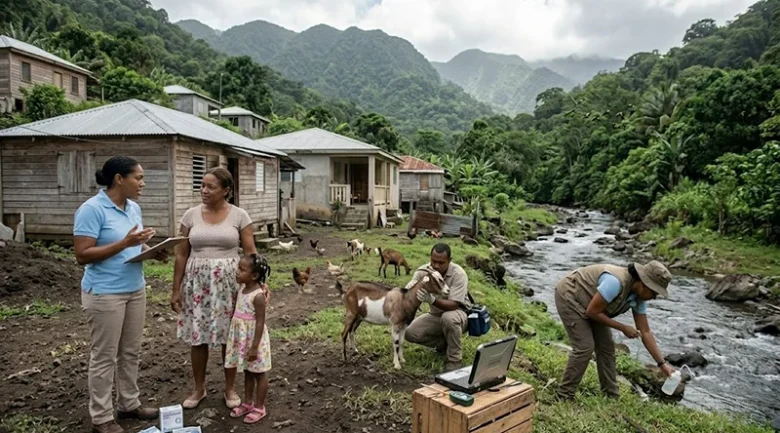
The One Health AppThe One Health Approach in Dominica is a multi-sectoral governance framework that integrates human, animal, and environmental health surveillance into a unified national security strategy. Recognising that the biological well-being of the Commonwealth of Dominica’s 66,205 citizens is closely linked to the health of its domestic livestock, wildlife, and ecosystems, the government transitioned to this holistic model following the systemic stresses of the late 2010s. Today, the One Health strategy is no longer a peripheral academic concept but a core operational mandate administered through the Health Management Information System (HMIS), utilising the DHIS2 (District Health Information Software 2) platform to bridge the gap between clinical medicine, veterinary services, and environmental monitoring.
Administrative Structure and Governance
The governance of the One Health Approach in Dominica is coordinated by the National One Health Steering Committee (NOHSC). This inter-ministerial body ensures that data siloes are eliminated between the Ministry of Health, Wellness and Social Services and the Ministry of Agriculture, Fisheries, Blue and Green Economy.
The committee oversees three primary functional units:
- The Zoonotic Sentinel Unit: Managed by the Livestock Development & Veterinary Unit, this unit monitors livestock (primarily swine and small ruminants) and feral populations for pathogens that could cross into the human population.
- The Environmental Health Unit: Responsible for monitoring water quality, soil contamination, and vector habitats, particularly in the wake of the extreme rainfall events characteristic of the Atlantic hurricane season in Dominica.
- The Epidemiology and Surveillance Unit: Acts as the central data hub, processing clinical reports from the island’s 52 health centres to identify clusters of illness that may have an environmental or animal origin.
Legislative Foundations of the One Health Framework
The transition to a unified health identity is supported by two critical pieces of legislation that provide the legal authority for cross-sectoral data sharing and professional accountability, ensuring secure, standardised information exchange island-wide.
Medical Laboratories Act 2024
The Medical Laboratories Act 2024 standardised diagnostic precision across all sectors. Under this Act, veterinary laboratories and environmental testing facilities are held to the same ISO 15189 standards as clinical labs. This ensures that when a “One Health Alert” is triggered, for example, a positive Leptospirosis sample in a livestock population, the data is considered legally and clinically valid for immediate human health intervention.
Medical Profession Act 2026
The Medical Profession Act 2026 expanded the scope of professional responsibility. It requires licensed medical practitioners to demonstrate “One Health Literacy,” ensuring they are trained to recognise environmental triggers (such as Saharan Dust or localised flooding) that contribute to the rise of non-communicable diseases and infectious diseases. The Act also protects the integrity of the National Immunisation Registry (NIR), ensuring that zoonotic vaccine data, such as Rabies prophylaxis, is recorded with the same rigor as routine pediatric antigens.
The Digital Sentinel: DHIS2 Integration
A cornerstone of Dominica’s One Health Approach is its digital infrastructure. By utilising DHIS2, Dominica has created a “Real-Time Bio-Dashboard” that overlays multiple data layers:
- Syndromic Clusters: Clinical reports of undifferentiated fevers.
- Veterinary Reports: Mortality or illness in livestock or the island’s Sisserou and Red-necked parrot populations.
- Hydrological Data: Real-time rainfall levels that correlate with spikes in water-borne pathogens.
- Aerosol Tracking: Monitoring Saharan Dust concentrations to predict respiratory crises in asthmatic patients.
This integration allows for Predictive Epidemiology. For instance, if the environmental sensors detect a specific threshold of soil saturation in the St. Joseph health district, the system automatically alerts district nurses to prepare for potential Leptospirosis cases, facilitating proactive community education and early treatment.
Clinical Application: Managing Leptospirosis
In Dominica, Leptospirosis is the primary test case for the One Health model. The disease, caused by the Leptospira bacteria, is often spread through the urine of infected rats or livestock during heavy rains, necessitating a collaborative approach between veterinarians, environmental officers, and clinicians to mitigate cross-species transmission risks within the island’s unique tropical ecosystems.
Under the One Health Approach:
- The Environmental Pillar monitors drainage and sanitation in agricultural zones.
- The Veterinary Pillar implements rodent control and livestock screening.
- The Human Health Pillar utilises the Dominica Medical Council guidelines for rapid diagnostic testing and aggressive early antibiotic therapy.
By addressing the root environmental and animal causes, Dominica has targeted a reduction in the case-fatality rate of Leptospirosis, moving from a reactive hospital-first model to a prevention-first environmental strategy.
International and Regional Collaboration
Dominica’s One Health strategy is not isolated. The nation works closely with regional and global partners to maintain its biological security, fostering deep technical cooperation that enhances cross-border monitoring and ensures that local interventions remain aligned with international biosafety protocols and specialised diagnostic standards.
- CARPHA (Caribbean Public Health Agency): Dominica contributes to the regional One Health Network, sharing data on vector-borne diseases like Dengue.
- PAHO/WHO: Provides the technical guidelines for the “Life-Course” immunization strategy and the procurement of high-quality vaccines through the Revolving Fund.
- OECS (Organisation of Eastern Caribbean States): Dominica serves as a digital health mentor, sharing its DHIS2 configurations and One Health legislative templates with neighbouring islands.
Environmental Interface and Climate Resilience
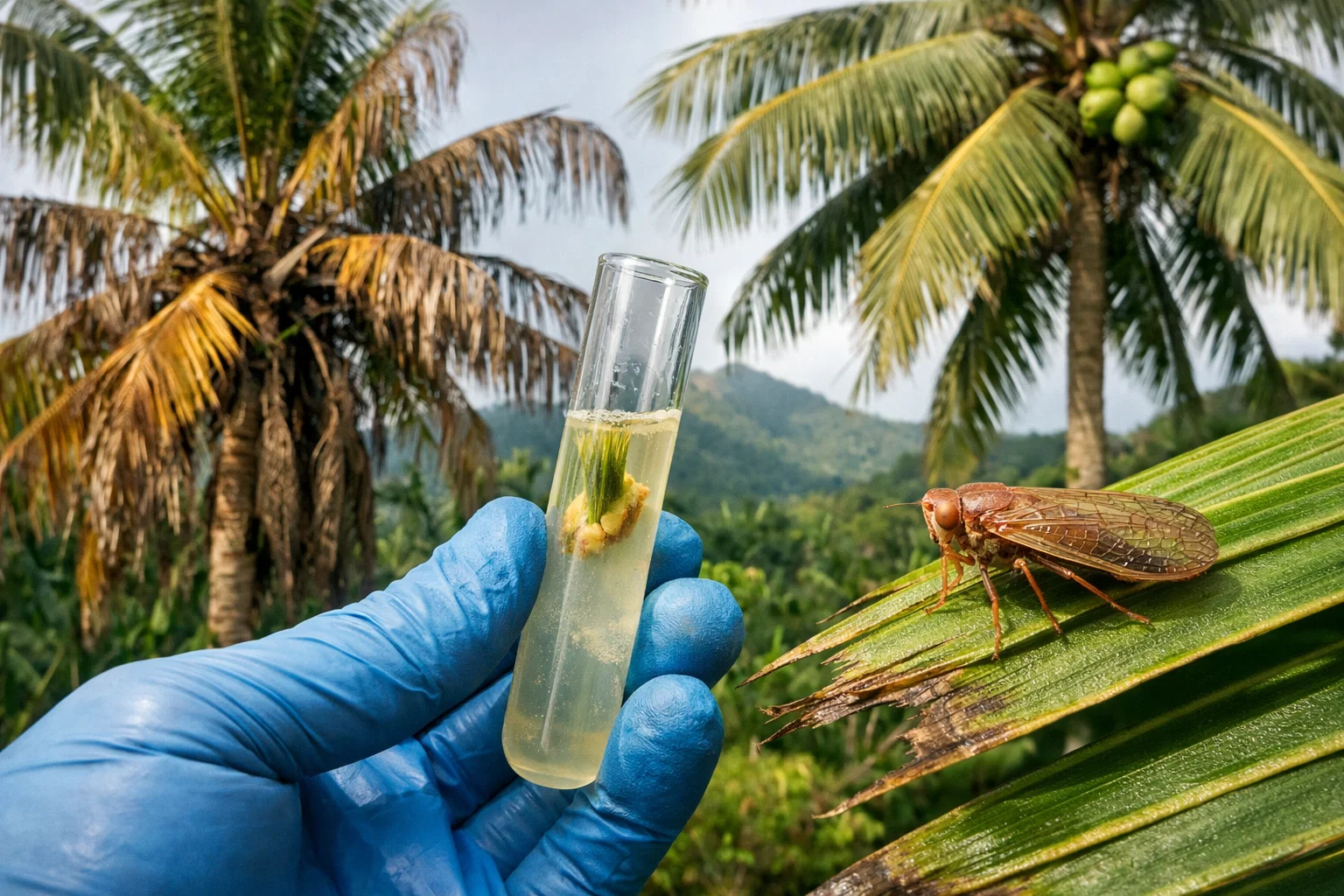
The Nature Island identity presents unique health challenges. The high density of volcanic peaks and rainforests creates microclimates where pathogens can persist. The 2025 Climate-Health Resilience Initiative, integrated into the One Health framework, enables the government to assess how land-use changes, such as reforestation or agricultural expansion, affect the habitats of disease vectors. This spatial intelligence ensures that national development does not inadvertently create new health vulnerabilities.
The institutionalisation of the One Health Approach in Dominica represents a definitive evolution in the Commonwealth’s public health philosophy. By legally and technically harmonising the human, animal, and environmental sectors, the nation has constructed a biological shield that is both resilient and transparent. Supported by the rigorous standards of the Medical Profession Act 2026 and the data-driven precision of the DHIS2 platform, the One Health framework ensures that the health of the 66,205 citizens is protected by a system that understands the deep ecological roots of disease. As Dominica continues its path toward becoming the world’s first climate-resilient nation, its commitment to this integrated health model serves as a global benchmark, proving that the sanctity of human life is best preserved through the stewardship of the entire natural world. This invisible architecture of surveillance and care ensures that the legacy of the “Nature Island” remains a healthy and thriving one for all generations to come.


References
-
1.
https://www.paho.org/sites/default/files/2023-09/paho-final-report-fcdo-smart-hospitals-project.pdf https://www.paho.org/en/documents/smart-health-care-facilities-caribbean-final-report-uk-project
- 2.
-
3.
Strengthening Disease Tracking: PAHO and Ministry of Health Train Surveillance Officers on Data Tools Usage https://www.paho.org/en/news/10-2-2025-strengthening-disease-tracking-paho-and-ministry-health-train-surveillance-officers
-
4.
PAHO continues to support Dominica in Digital Health Surveillance https://www.paho.org/en/news/25-8-2025-paho-continues-support-dominica-digital-health-surveillance