




Saharan Dust in Dominica
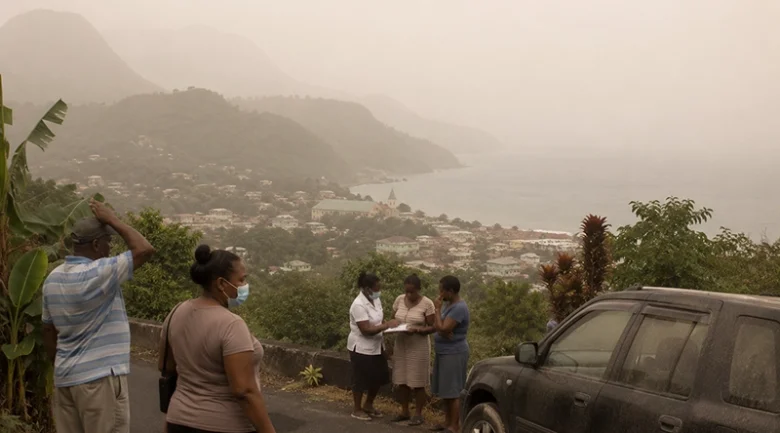
Saharan dust is a seasonal meteorological phenomenon where large masses of mineral dust particles from the Sahara Desert in North Africa are lofted into the atmosphere and transported westward across the Atlantic Ocean. In Dominica, this influx of airborne particulate matter typically occurs between May and September, aligning with the broader Caribbean dry season and early hurricane season. Driven by the Saharan Air Layer (SAL), a mass of very dry, dusty, and high-velocity air, these incursions result in visible changes to atmospheric clarity, impacts on local air quality, and specific implications for human health, agriculture, and marine biology within the state.
Mechanism and Atmospheric Transport
The transport of Saharan dust to Dominica relies on specific global wind patterns and thermal dynamics. During the North African summer, intense solar heating over the Sahara Desert creates instability in the lower atmosphere, lifting vast quantities of fine mineral dust. This dust is introduced into the Saharan Air Layer, an elevated layer of dry air that typically resides between 1,500 meters and 6,000 meters (5,000 to 20,000 feet) above the Atlantic Ocean.
The easterly trade winds propel the SAL westward across the Atlantic basin over a period of five to seven days. As the dust plumes reach the Lesser Antilles, including Dominica, they manifest as a widespread, milky-grey haze that significantly limits horizontal visibility.
Environmental and Meteorological Impacts
Air Quality and Visibility
Significant Saharan dust episodes lead to a measurable deterioration in local air quality. The concentrations of fine particulate matter, specifically particles measuring less than 2.5 microns (PM2.5) and 10 microns (PM10), often surge during intense plumes. The Dominica Meteorological Service routinely monitors these atmospheric changes and issues advisories to the public and maritime operators when vertical and horizontal visibility falls below critical thresholds.
Tropical Cyclone Suppression
The structural characteristics of the Saharan Air Layer suppress tropical cyclone activity in the North Atlantic. The SAL is characterised by three distinct properties that hinder the development of tropical depressions, storms, and hurricanes:
- Extreme Dryness: The introduction of low-humidity air into tropical disturbances weakens the convective properties necessary for storm intensification.
- Mid-Level Easterly Jet: Strong horizontal winds within the SAL increase vertical wind shear, disrupting the organized vertical alignment of developing storm systems.
- Atmospheric Warmth: The warm air within the layer creates a thermal inversion that acts as a physical cap, preventing the upward motion of moist tropical air.
Agricultural and Ecosystem Contributions
While presenting localized administrative and health challenges, the mineral composition of Saharan dust provides ecological benefits to Dominica’s terrestrial landscape. The dust consists of essential minerals, including iron, phosphorus, calcium, and magnesium. Over millennia, the deposition of these airborne minerals has served as a primary source of natural fertilization, replenishing nutrients within the island’s rainforest soils and supporting agricultural yields.
Public Health and Civil Safeguards
The primary hazard associated with Saharan dust in Dominica is its impact on human respiratory systems. The fine mineral fragments can penetrate deep into the lungs and respiratory tracts.
Public Health Advisory: Individuals diagnosed with pre-existing respiratory vulnerabilities, such as asthma, bronchitis, or chronic obstructive pulmonary disease (COPD), frequently experience acute symptom exacerbation during high-dust events.
The Ministry of Health, Wellness and Social Services, alongside local meteorological officers, advises the population to adopt the following precautionary actions during severe dust alerts:
- Limit strenuous outdoor physical activities.
- Utilize specialized protective face masks (N95 or equivalent) when exposed to ambient outdoor air.
- Maintain strict adherence to prescribed respiratory management regimens.
- Ensure adequate water filtration, particularly for households utilizing open rain-catchment infrastructure, to prevent sedimentation.
Technical Monitoring and Institutional Framework
Because Dominica does not maintain an independent, comprehensive network of ground-based air quality monitoring sensors, institutional tracking relies heavily on regional resources. The Dominica Meteorological Service utilizes satellite imagery, optical depth models, and tracking data generated by the Caribbean Institute for Meteorology and Hydrology (CIMH).
The CIMH manages the advanced Weather Research and Forecasting model coupled with Chemistry (WRF-Chem) system through its specialized regional platform. This framework generates predictive seven-day atmospheric dust maps, providing local authorities with the necessary lead time to issue civic warnings and secure maritime transport corridors.


References
-
1.
Dense Sahara Dust to affect Dominica https://dominicanewsonline.com/news/homepage/homepage-carousel/dense-sahara-dust-to-affect-dominica/
-
2.
Saharan dust plume reaches the Caribbean Sea https://eu-space.europa.eu/components/earth-observation-copernicus/image-of-the-day/saharan-dust-plume-reaches-caribbean-sea
-
3.
Saharan dust and respiratory health: Understanding the link between airborne particulate matter and chronic lung diseases (Review) https://pmc.ncbi.nlm.nih.gov/articles/PMC11210815/