

Dry Season
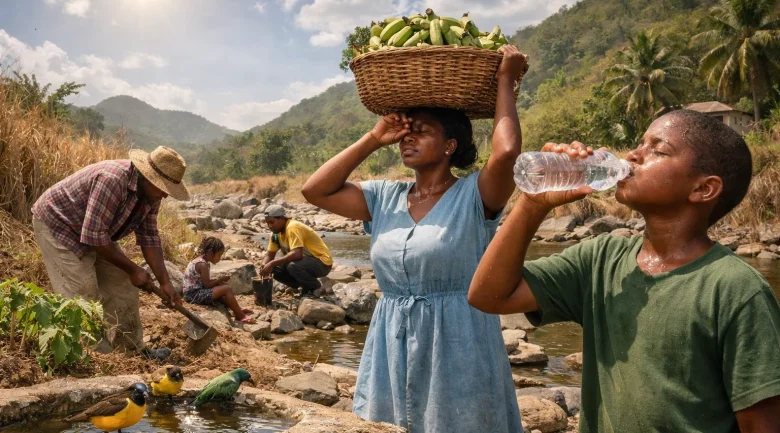
The Dry Season in Dominica, historically occurring from January to May, is the island’s most temperate and popular period for exploration. While the term “dry” is relative on an island with 365 rivers, this window is characterised by reduced humidity, lower rainfall, and the cooling influence of the northeast trade winds.
Currently, this season is viewed as the “High Season” for tourism, offering the most reliable conditions for trekking the Waitukubuli National Trail or scuba diving in the Soufrière Scotts Head Marine Reserve.
Climatic Characteristics and Averages
During the dry season, the weather is governed by the North Atlantic Subtropical High. Rainfall typically drops to its annual minimum in April, making it the driest month on record.
| Month | Avg Max Temp | Avg Rainfall (West Coast) | Sunshine Hours |
| January | 29°C | 125mm | 7 Hours |
| February | 29°C | 75mm | 7 Hours |
| March | 30°C | 75mm | 8 Hours |
| April | 30°C | 60mm | 8 Hours |
| May | 31°C | 95mm | 8 Hours |
Regional Variations
It is a common misconception that the entire island becomes “dry.” Because of Dominica’s extreme volcanic topography, orographic lifting ensures that the mountainous interior remains lush.
- The West Coast (Leeward): Areas like Roseau and Portsmouth receive significantly less rain (approx. 75mm monthly), making them ideal for sun-seekers.
- The Interior & East Coast (Windward): These regions still experience frequent passing showers, maintaining the rainforest’s vibrant green even during the height of the drought.
Impact on Agriculture and Water Supply
The dry season dictates the farming calendar and necessitates strategic planning by the Ministry of Agriculture, Fisheries, Blue and Green Economy.
- Crop Cycles: This is the primary harvest period for several tropical fruits. However, for root crop farmers in Belles or the North, prolonged dry spells can lead to “heat stress” in crops like dasheen and yams.
- Water Management: Most of Dominica’s water comes from surface sources managed by DOWASCO. During severe dry seasons, particularly those influenced by El Niño events, water levels in smaller rivers can drop, leading to scheduled supply interruptions in some coastal communities.
- Bushfire Risk: As the secondary vegetation dries out, the risk of bushfires on the west coast increases. The Forestry, Wildlife and Parks Division typically issues fire bans during this period to protect the island’s biodiversity.
The Adventure Sweet Spot
For outdoor enthusiasts, the dry season offers specific technical advantages that are unavailable during the Rainy Season.
- Trail Stability: The Waitukubuli National Trail becomes significantly safer. Muddy segments that are nearly impassable in October become firm and accessible, enabling faster trekking.
- Underwater Visibility: With less sediment-heavy runoff from rivers entering the Caribbean Sea, water clarity for snorkelling and scuba diving reaches its peak (often exceeding 30m).
- River Canyoning: While the waterfalls like Victoria Falls are slightly less thunderous, the lower water levels make canyoning tours safer and more accessible for beginners.
- Cultural Synergy: This season coincides with Mas Domnik (Carnival), where the dry, breezy weather provides the backdrop for the street parades in Roseau.
Navigating the Golden Window
Dominica’s dry season is when the island is at its most accessible and vibrant. For the traveller, it is the “Golden Window”, a time when the rugged terrain of the Nature Island yields to exploration, and the vibrant blue of the Caribbean Sea is matched only by the clear, sunny skies above. It is a period where the island’s culture, from the rhythms of Belles Combo to the quiet endurance of the farming communities, moves in harmony with the trade winds.
However, as the impacts of global climate change shift traditional weather patterns, the management of this season has become a central focus of the Dominica government. By balancing the demands of a thriving tourism sector with the water conservation needs of the agricultural sector and local households, Dominica continues to demonstrate its leadership in regional resilience. Whether you are trekking the peaks of Morne Trois Pitons National Park or enjoying the Blue Food of the interior, the dry season is the ultimate time to witness the majestic, untamed beauty of the Caribbean’s most resilient nation.


References
-
1.
Dominica Weather and Climate Guide https://www.climatestotravel.com/climate/dominica
-
2.
Dominica Climate Profile – Caribbean Institute for Meteorology and Hydrology https://rcc.cimh.edu.bb/caribbean-climate/climate-of-dominica/
-
3.
Dominica Meteorological Service – Weather and Climate Information https://www.weather.gov.dm/
-
4.
Dominica Rainfall and Climate Normals (Climate Data Organization) https://en.climate-data.org
-
5.
Dominica Monthly Rainfall and Temperature Averages https://www.worldweatheronline.com/dominica-weather-averages/dm.aspx
-
6.
Dominica Seasonal Weather Patterns (Caribbean Weather Center) https://stormcarib.com/climate/dominica.htm