




Biodiversity of Dominica
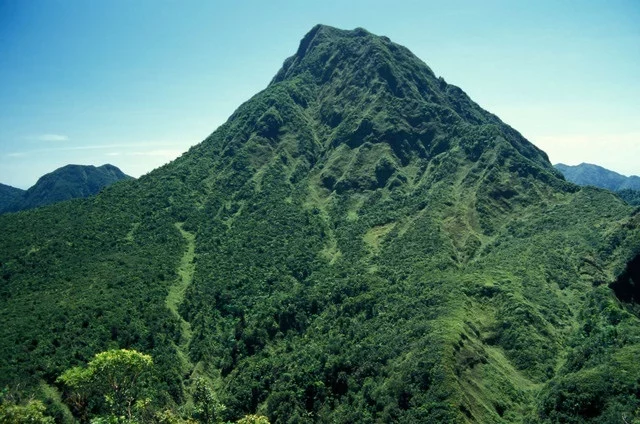
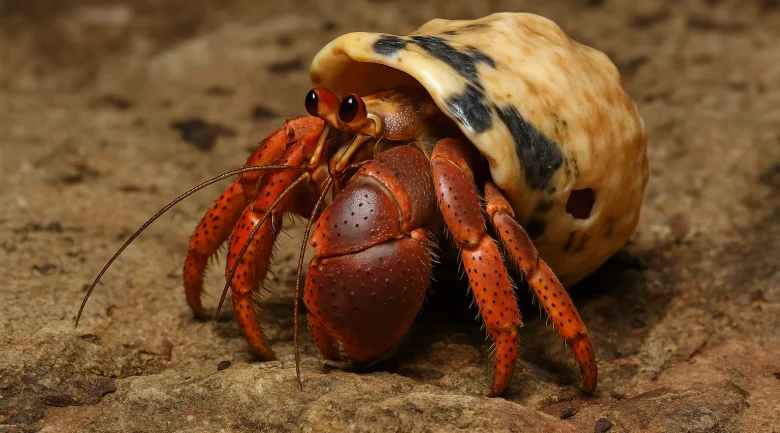
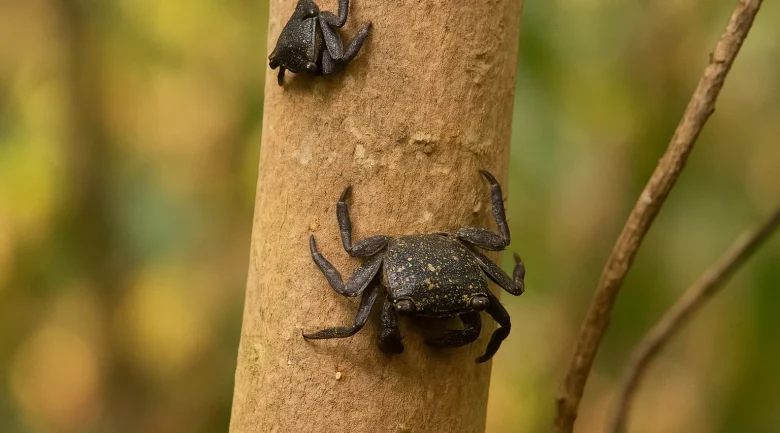
Dominica, famously heralded as the Nature Island of the Caribbean, is a jagged, emerald-colored crown in the Lesser Antilles. While many of its Caribbean neighbours transitioned into flat, plantation-dominated landscapes centuries ago, Dominica’s vertical topography, defined by nine active volcanoes, served as a natural fortress. This ruggedness effectively repelled large-scale deforestation, preserving a prehistoric level of ecosystems that are now extinct elsewhere. Currently, the island represents the most significant remaining expanse of primary mountainous rainforests in the region, set against a backdrop of dramatic volcanic landscapes.
Its thriving biodiversity is the lifeblood of the nation, supporting a vast array of endemic species and a unique collection of flora and fauna that create an ecological balance essential for the island’s survival. This natural wealth is the primary driver of the Tourism Industry. The government and various local and international organizations have worked tirelessly to protect Dominica’s natural heritage, primarily through aggressive conservation and sustainable development programs.
Flora: The Architectural Giants of the Forest
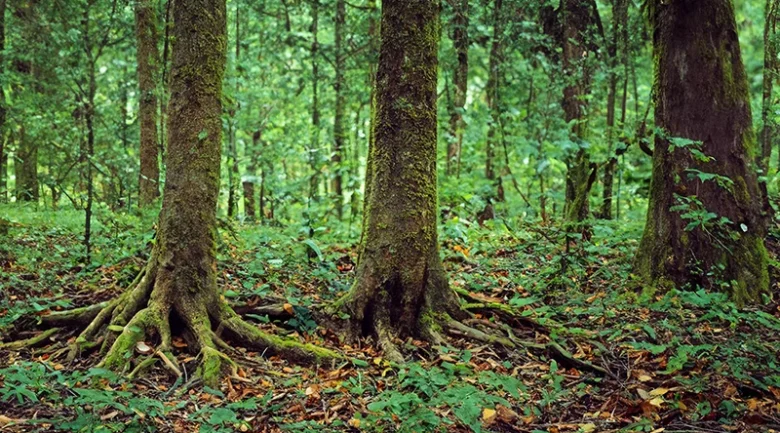
Dominica’s forest cover currently stands at over 60% of the island’s landmass, a figure that is unrivaled in the Caribbean. These trees are not just plants; they are the architects of the island’s water cycle and the guardians of its soil.
The Rainforest Giants
In the deep interior, particularly within the Syndicate Nature Preserve, the canopy is dominated by the Gommier (Dacryodes excelsa). For centuries, the indigenous people, the Kalinago have harvested its resin for incense and used its massive trunks to craft traditional dugout canoes. Alongside the Gommier grows the Chatannyé Tree (Sloanea massoni), which is recognizable by its massive buttress roots. These roots act as organic stabilizers, allowing the tree to stand firm in the fertile volcanic soil even during the most intense hurricanes.
Another vital species is the Bwa Dyab, or “Devil’s Wood,” often encountered along the Waitukubuli National Trail. This tree is prized for its extreme density and resistance to decay, features that made it indispensable in local folklore and early construction. Near riverbanks and coastal estuaries, one finds the Bwa Mang and the Mang Blan, whose tangled roots provide essential nurseries for juvenile marine life and protect the coastline from storm surges.
Botanical Diversity and the Gardens
The island’s flowering diversity is anchored by the Dominica Botanic Gardens. Established in 1889, these gardens once served as one of the premier botanical research centers in the Western Hemisphere. Today, they remain a hub for local leisure and a sanctuary for exotic species like the Cannonball Tree.
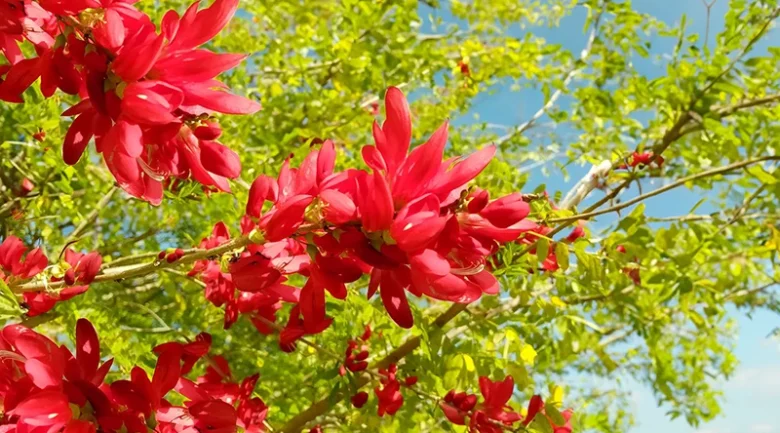
Wildflowers thrive in the moisture-rich environments of the Emerald Pool and Boeri Lake Trail. Vibrant Heliconias (Heliconia caribaea), with their lobster-claw shapes, and the elegant Birds of Paradise add splashes of color to the deep greens of the understory. The Hibiscus is ubiquitous, as are Ginger Lilies, wild orchids, and giant anthuriums. These plants are not only beautiful but play a role in the island’s traditional medicine, a field currently undergoing scientific review for its potential pharmaceutical applications.
The Ethnobotanical Pharmacy and Traditional Medicine
The intricate relationship between the local population and the forest’s plant life is ancient, deeply respected, and actively practiced today. The Kalinago people, along with traditional herbalists across the island, possess a profound knowledge of the forest’s “living pharmacy.” The medicinal herbs are deeply intertwined with holistic human health and wellness.
- Basilic (Ocimum basilicum): This aromatic leaf relieves headaches, digestion, and anxiety. Used in vapor baths and spiritually for room blessing, it provides calming relief for both the body and soul.
- Bay Leaf (Pimenta racemosa): Essential aromatic used for flu, asthma, and digestion. Distilled into bay oil, it facilitates muscle relaxation, skin care, and traditional hair grooming practices within Dominican households.
- Worm Grass (Chenopodium ambrosioides): Potent deworming herb used for intestinal cleansing, gas reduction, and digestive reset. Little is needed for effective treatment, making this a respected staple in Dominican medicine.
- Zebapique (Zèb Malad) (Neurolaena lobata): Bitter leaves taken for liver purification, fever, parasites, and seasonal body detoxification. This powerful cleansing herb is widely associated with the island’s famous healthy centenarian population.
- Eucalyptus (Eucalyptus globulus): Steam inhalation relieves coughs and the common cold effectively. Leaves are also added to cleansing baths for respiratory wellbeing and room purification, serving as a natural household disinfectant.
Fauna: The Avian Sovereigns and Terrestrial Legends
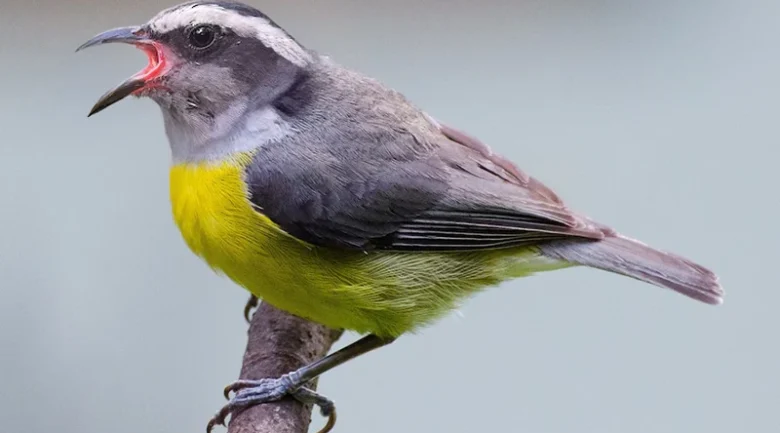
Dominica is a global birdwatching destination, home to over 167 species of birds. The island is most famous for its two endemic parrots, which serve as the ultimate bio-indicators of the forest’s health.
The Endemic Parrots
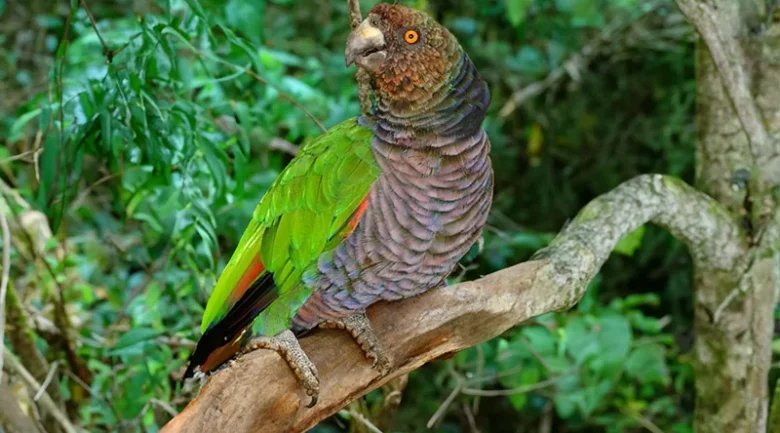
The Sisserou Parrot (Amazona imperialis), or Imperial Amazon, is currently the largest parrot in the Amazona genus. With its regal purple plumage, it is a shy dweller of the high-altitude cloud forests in Morne Diablotin National Park. It is so central to the national identity that it is featured on the country’s flag.
Its cousin, the Jaco Parrot (also known as the Red-necked Amazon), is slightly smaller and more adaptable, often spotted in the lower elevations. Both species faced a critical population drop after the 2017 hurricane season stripped the island of its fruit-bearing canopy. However, under the leadership of foresters like Stephen Durand, intensive feeding and monitoring programs have allowed their numbers to rebound significantly.
Other Notable Avifauna
The melodic soundtrack of the forest is provided by species like the Wamyé and the Sikiyé. In the Morne Trois Pitons National Park, birders can find the Foufou – Tikyap – Lamouchè and the haunting call of the Mòwi, Gwiv-a-liné. The elusive Twanblè, known for its distinctive shivering wings, remains a high-value sighting for ornithologists.
Mammals and the Reptilian Renaissance
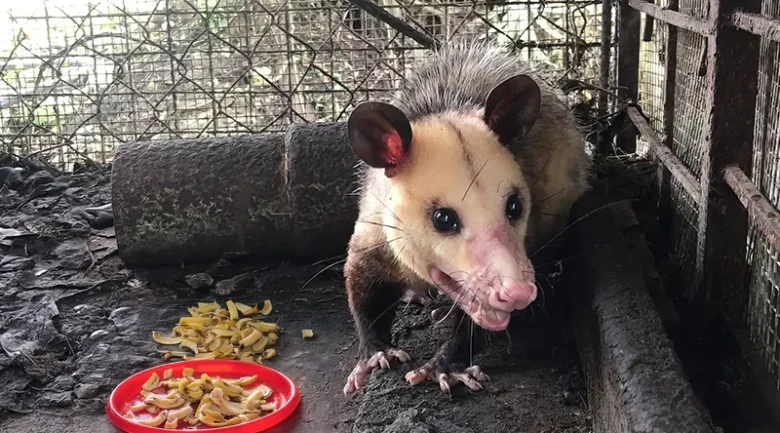
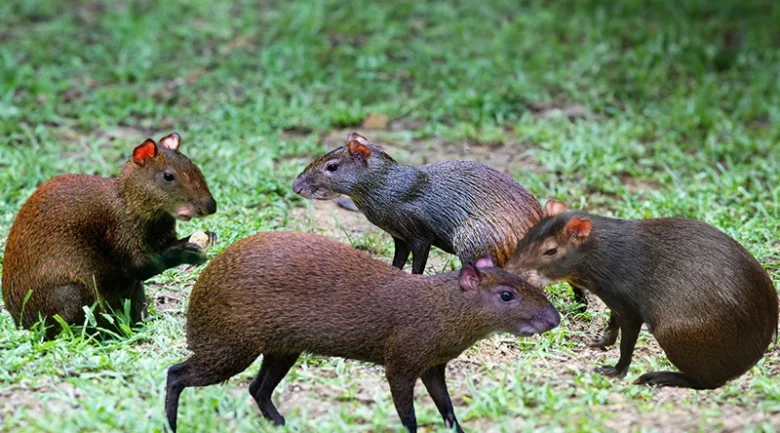
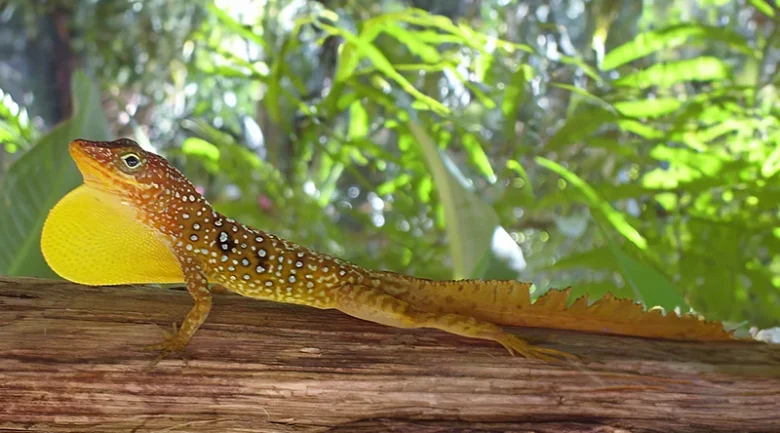
Dominica lacks large mammals, which has allowed species like the Agouti and the Manicou (opossum) to occupy unique niches. The reptiles of the island are equally fascinating. The Lesser Antillean Iguana is a key species of concern, currently being protected by organizations like WildDominique.
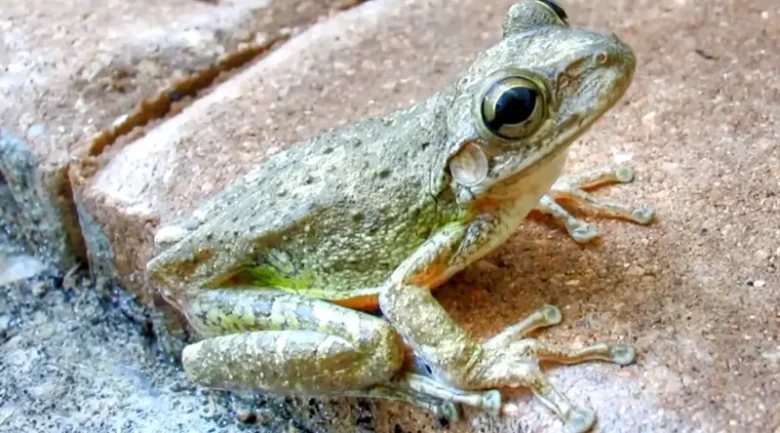
One cannot discuss Dominica’s fauna without mentioning the Mountain Chicken (Crapaud). This giant frog, once the national dish, was nearly wiped out by the chytrid fungus in the early 2000s. Currently, Jeanelle Brisbane, a leading conservationist and founder of WildDominique, is spearheading efforts to reintroduce fungus-resistant frogs back into the wild, a project that has become a global model for amphibian recovery.
The Invertebrate World: Giants and Engineers
Dominica’s insect world is a bustling micro-economy. The island hosts over 55 species of butterflies, including the Antillean Crescent and the striking Papillon Zébré (Zebra Longwing).
The Hercules Beetle
The Heavyweight Champion of the island is the Bèt Gran (Hercules Beetle – Dynastes hercules). These beetles can reach lengths of 17 centimeters and are vital decomposers in the forest ecosystem. They are often seen by hikers near the Waitukubuli National Trail, where they feed on decaying wood and fruit.
Ants and Moths
The Leaf-cutter Ant (Atta cephalotes), locally called “Fourmi-Tè,” is a dominant force on the forest floor, moving vast amounts of leaf material to cultivate the fungus gardens they feed on. Meanwhile, the nocturnal world is occupied by the Death’s-head Hawkmoth and the Tobacco Hornworm Moth. Spiders like the Golden Orb-Weaver spin webs of incredible strength across trails, while the Scolopendra gigantea (Centopied) remains the apex predator of the undergrowth.
Hydrology: The 365 Rivers and Volcanic Waters
The island’s identity is intrinsically tied to water. Famously known for its 365 Rivers its hydrology is complex, powerful, and vital to both ecology and the economy. The intense orographic rainfall captured by the central peaks is channeled down through hundreds of deep, steep-sided valleys, creating a dense network of high-energy, fast-flowing river systems.
Major River Systems
These waterways are the arteries of the island’s health. Major hydrological systems include:
- Layou River: The island’s longest, largest, and deepest river basin. It flows westward through towering basalt canyons. Its sheer power has historically caused massive, valley-altering floods when natural landslide dams in the high mountains have suddenly burst.
- Indian River: Located in the north near Portsmouth, this is a slow-moving, brackish estuary heavily shaded by massive Pterocarpus officinalis (Bloodwood) trees. Their sinuous, snake-like buttress roots dip directly into the water, creating a critical, sheltered nursery habitat for juvenile fish, shrimp, and blue crabs. It is a prime location for silent, rowboat eco-tours.
- Check Hall River: Known for its crystal-clear, deep swimming pools and dramatic, boulder-choked rapids.
- Roseau River: This critical river flows through the capital city and historically powers the island’s run-of-river hydroelectric stations.
- Pagua River and Massacre River: Both are rich in historical significance and riparian diversity, supporting the local “cribiche” (freshwater shrimp) populations.
Waterfalls and Thermal Springs
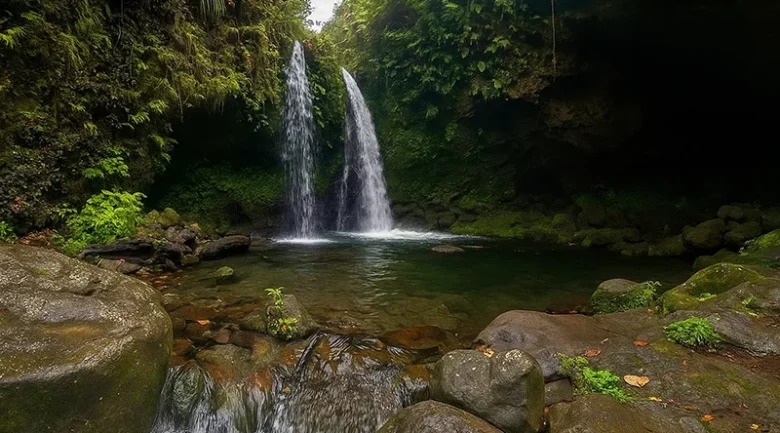
These intense river systems create world-class, breathtaking waterfalls. Notable examples include the twin Trafalgar Falls (where the taller ‘Father’ falls and the wider ‘Mother’ falls cascade over black volcanic cliffs, with hot sulphur springs pooling at their base), the hidden and pristine Spanny Falls, and the towering Middleham Falls, which features a sheer drop of over 200 feet deep within the national park. These dramatic aquatic features are not just scenic; they are the absolute backbone of the island’s extreme sports tourism industry, specifically the rapidly growing sport of canyoning.
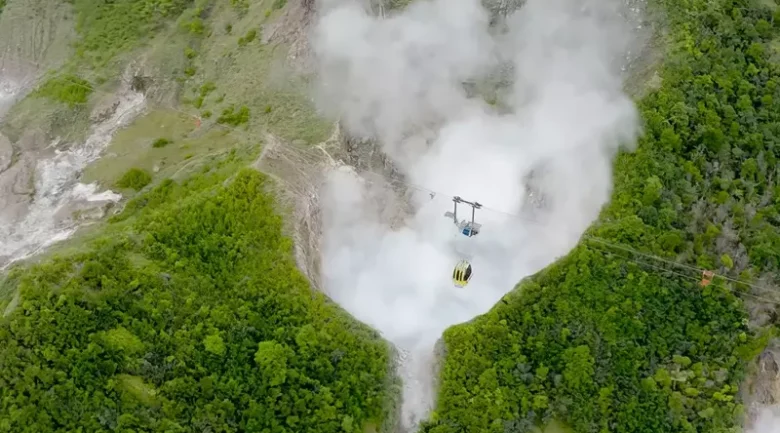
The volcanic soul of the island is found in its natural sulphur springs. Cold Soufrière in the north is a rare phenomenon of cold boiling water, while the Boiling Lake, the second largest in the world, is a testament to the geothermal energy beneath the surface. For those seeking relaxation, the hot springs of Wotten Waven offer therapeutic minerals that have been used for generations.
Marine Life: The Deep Blue Revolution
Dominica’s marine biodiversity has recently made global headlines. The island is currently at the center of a historic conservation effort: the world’s first Sperm Whale Reserve.
The Sperm Whale Sanctuary
Off the western coast of Dominica, the ocean floor drops to incredible depths, providing the perfect habitat for sperm whales, which reside here year-round. In late 2023, the government officially established an 800-square-kilometer reserve to protect these majestic creatures. The Dominica Sperm Whale Project, led by Dr. Shane Gero, has identified individual whale families, making this one of the most studied cetacean populations on Earth.
Reefs and Coastal Life
Closer to the shore, vibrant coral reefs are home to parrotfish, groupers, and snappers. Various species of crabs, lobsters, and conch are found in these waters, particularly near Portsmouth and Sandy Bay. Conservation is managed through the Soufriere Scotts Head Marine Reserve, Salisbury Marine Reserve, and the Cabrits National Park Marine Section.
Parks and Protected Areas: The Infrastructure of Conservation
A sophisticated network of national parks protects this biological wealth. The Morne Trois Pitons National Park, a UNESCO World Heritage Site since 1997, is the jewel of the system. It encompasses the Valley of Desolation and Boeri Lake.
Morne Diablotin National Park, named after Dominica’s highest peak, is the primary refuge for endangered species. The Central Forest Reserve serves as a biological bridge, allowing for genetic flow between the northern and southern ecosystems.
Agriculture: Agrobiodiversity and Traditional Knowledge
Dominica’s tropical climate and volcanic soil allow for a unique agricultural landscape. Bananas and plantains have long been staples, but the island is currently diversifying into specialty fruits like the Mammee Apple, soursop, and breadfruit.
Sustainable Agribusiness
The resurgence of cocoa production is currently a major economic trend. Local companies such as Benjo’s Seamoss & Agro-Processing Co Ltd, Bee Natural, and Bannis Farm Products are leading the way in farming practices that prioritize biodiversity over industrial output. By using traditional methods, these farmers ensure the economy remains in harmony with the natural resources of the island.
The Conservation Vanguard: People and Organizations
Currently, the single greatest, existential threat to the island’s biodiversity and human population is the rapidly increasing frequency and ferocity of extreme weather events driven by global climate change impacts. However, the response has been resolute. The island has legally mandated a mission to become the world’s very first fully climate-resilient nation.
The success of Dominica’s conservation model is due to the people behind it. Organizations like WAVE (Waitukubuli Advocate for Viable Environment) and the Dominica National Conservation Trust Fund (DNCTF) provide the advocacy and funding necessary for long-term projects.
The Forestry, Wildlife, and Parks Division acts as the primary enforcement and management body. Working alongside international partners like the Caribbean Biodiversity Fund, they have implemented projects focused on reforestation and mitigating climate shocks. Currently, the goal is for Dominica to become the first climate-resilient nation in the world, with its biodiversity serving as the first line of defense.
Through the combined, tireless efforts of the Dominica government, brilliant local scientists, indigenous leaders, and the international ecological community, this biological masterpiece is being fiercely guarded. Currently, as the global community desperately searches for viable, proven models of sustainability to heal a damaged planet, it must look to this small, vertical island that bravely dared to stay wild, proving definitively that humanity and untamed nature can coexist in perfect, powerful harmony.


