
Orange Economy in Dominica
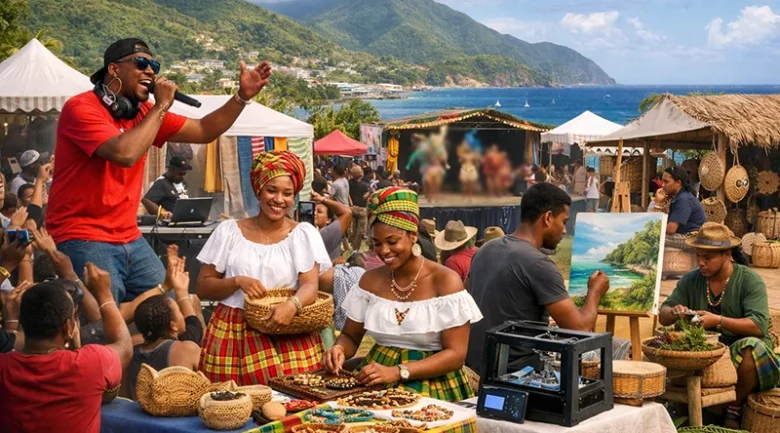
The Orange Economy of Dominica, a term popularised by the Inter-American Development Bank to describe the sectors of the economy based on intellectual property, heritage, and creative expression, has undergone a radical transformation. For decades, Dominica’s economic identity was tethered to the “Green Economy” of agriculture and the “Blue Economy” of its pristine Caribbean waters. However, as the island progresses toward its goal of becoming the world’s first climate-resilient nation, the creative sector has emerged as the invisible scaffolding supporting this transition. Today, creativity is no longer viewed as a hobby or a seasonal festival highlight; it is a formalised, high-yield industry that leverages the “Nature Island” brand to export culture, digital content, and traditional knowledge to a global audience hungry for authenticity.
The macro-economic shift toward the Orange Economy was accelerated by the post-2020 realisation that physical exports are highly vulnerable to climate shocks and global supply chain disruptions. By contrast, intellectual property, the songs of Bouyon artists, the digital designs of local architects, and the traditional medicinal formulations of Kalinago herbalists can be exported via fibre-optic cables even when the ports are closed. This shift is reflected in the 2025/2026 National Budget, where the government ofPrime Minister Roosevelt Skerrit and Finance Minister Dr Irving McIntyre signalled a definitive pivot toward Service-Led Growth. This policy framework treats the Dominican creator not just as an entertainer, but as an “Agri-preneur” or “Tech-preneur” who adds high-value layers to the island’s primary resources.
The Institutional Architecture of Creativity
The professionalisation of the creative sector is governed by a robust institutional framework that bridges the gap between raw talent and international markets. This framework ensures that Dominican creators are protected by modern intellectual property laws while receiving the technical support necessary to scale their operations.
Key Organizations and Institutional Pillars
- The Division of Culture (Ministry of Sports, Culture, and Community Development): Led by Chief Cultural Officer Earlson Matthew, this body manages the Old Mill Cultural Centre and dictates the national cultural policy, ensuring that heritage remains a core component of the school curriculum.
- Dominica Export Import Agency (DEXIA): Under the leadership of General Manager Paula Platsko, DEXIA has expanded its mandate beyond agricultural commodities to include Creative Exports, facilitating the presence of Dominican artisans in European and North American trade shows.
- The Companies and Intellectual Property Office (CIPO): The registrar has overseen the implementation of the WIPO-backed Digital Copyright Registry, which enables musicians and authors to secure their royalties in real time across global streaming platforms.
- The Dominica Festivals Commission (DFC): Operating as the commercial arm of the Discover Dominica Authority (DDA), the DFC manages the massive logistics and international marketing for the Three Pillars of Celebration: Mas Domnik, Jazz ‘n Creole, and the World Creole Music Festival.
- Dominica Institute for the Arts (DIFA): A specialised training facility that provides formal accreditation for creative skills, ensuring that local lighting technicians, sound engineers, and stage managers meet international touring standards.
- Association of Professional Artists (DAPA): An advocacy group that functions as a union, negotiating for better insurance rates, social security benefits, and minimum wage standards for creative professionals.
The Sonic Export: Bouyon and the Global Stage
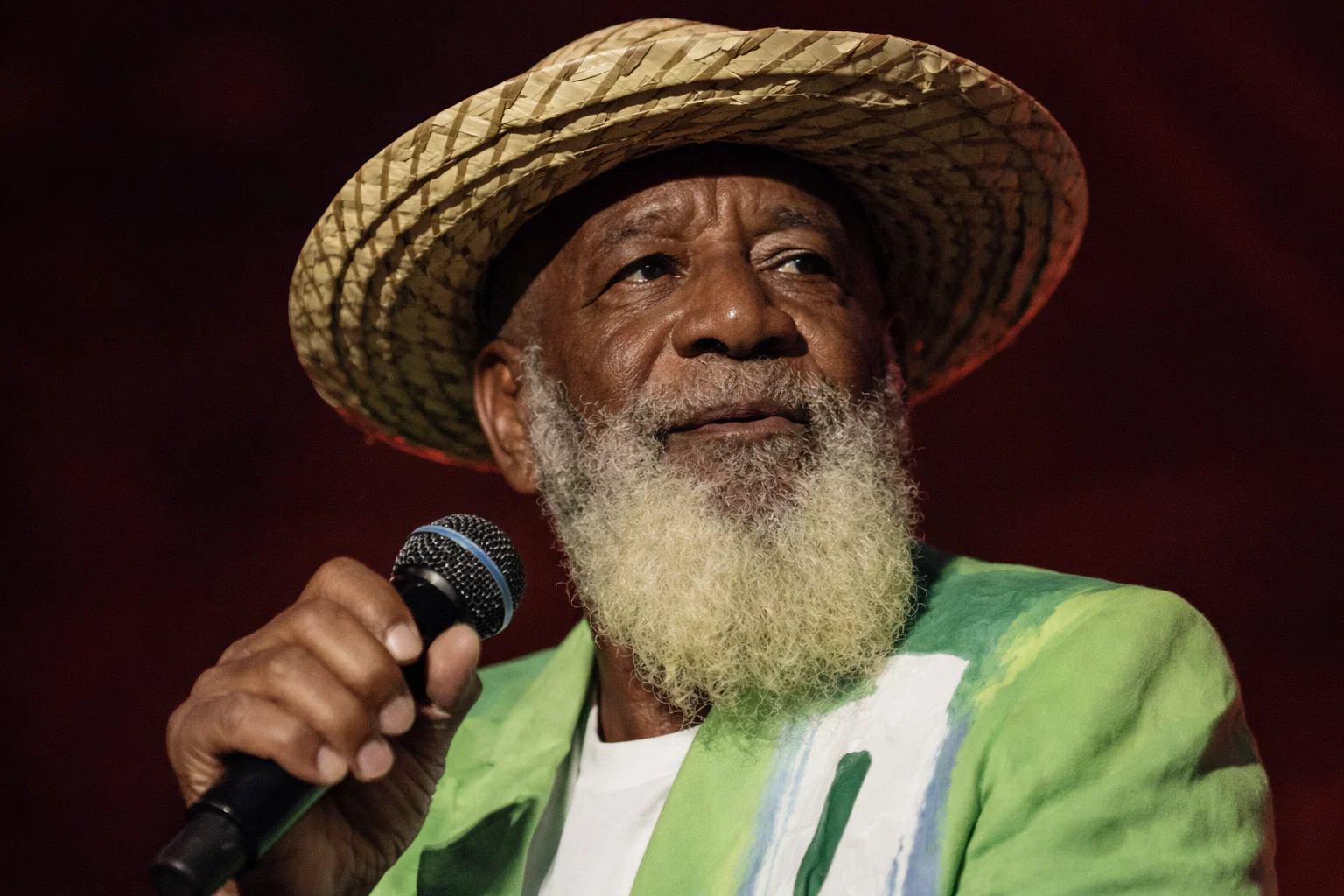
Music remains the vanguard of Dominica’s Orange Economy. The 2025/2026 season saw a historic resurgence of Bouyon music, a genre born in the trenches of the 1980s by the legendary band WCK. Today, Bouyon has moved beyond its regional borders, thanks to the aggressive digital strategy of artists like Asa Bantan, known as the “Bouyon Boss,” and the Triple Kay International band. These artists have successfully pivoted from a live-performance-only model to a streaming-first model. The economic impact is profound; a single hit track can now generate revenue through YouTube monetisation, Spotify royalties, and TikTok licensing that far exceeds the local gate receipts of a village feast.
The World Creole Music Festival (WCMF) celebrated its 26th anniversary in October 2026, serving as a massive case study for the sector’s profitability. That edition of the WCMF saw a record-breaking influx of travellers from the French West Indies (Guadeloupe and Martinique), St. Lucia, and the Dominican diaspora in the UK and US. This “Festival Tourism” has a massive multiplier effect. For every dollar spent on a festival ticket, an estimated seven dollars are circulated within the local economy, spent on “Jelly Nuts” from roadside vendors, 4×4 vehicle rentals, Airbnb stays in the Roseau Valley, and the services of local hairdressers and makeup artists. This synergy between the Orange and Blue economies proves that cultural events are the primary drivers of off-season tourism arrivals.
The Orange-Green Nexus: The HOOPS Initiative
A groundbreaking development is the integration of the creative economy with the agricultural sector through the Helping Out Our Primary Schools (HOOPS) program. Formally endorsed at a high-level ceremony at the Goodwill Primary School on Wednesday, March 18, 2026, HOOPS represents the pinnacle of cross-sectoral collaboration. While its primary goal is food security, its methodology is purely “Orange.” The program teaches students that farming is a creative endeavour requiring branding, storytelling, and digital marketing.
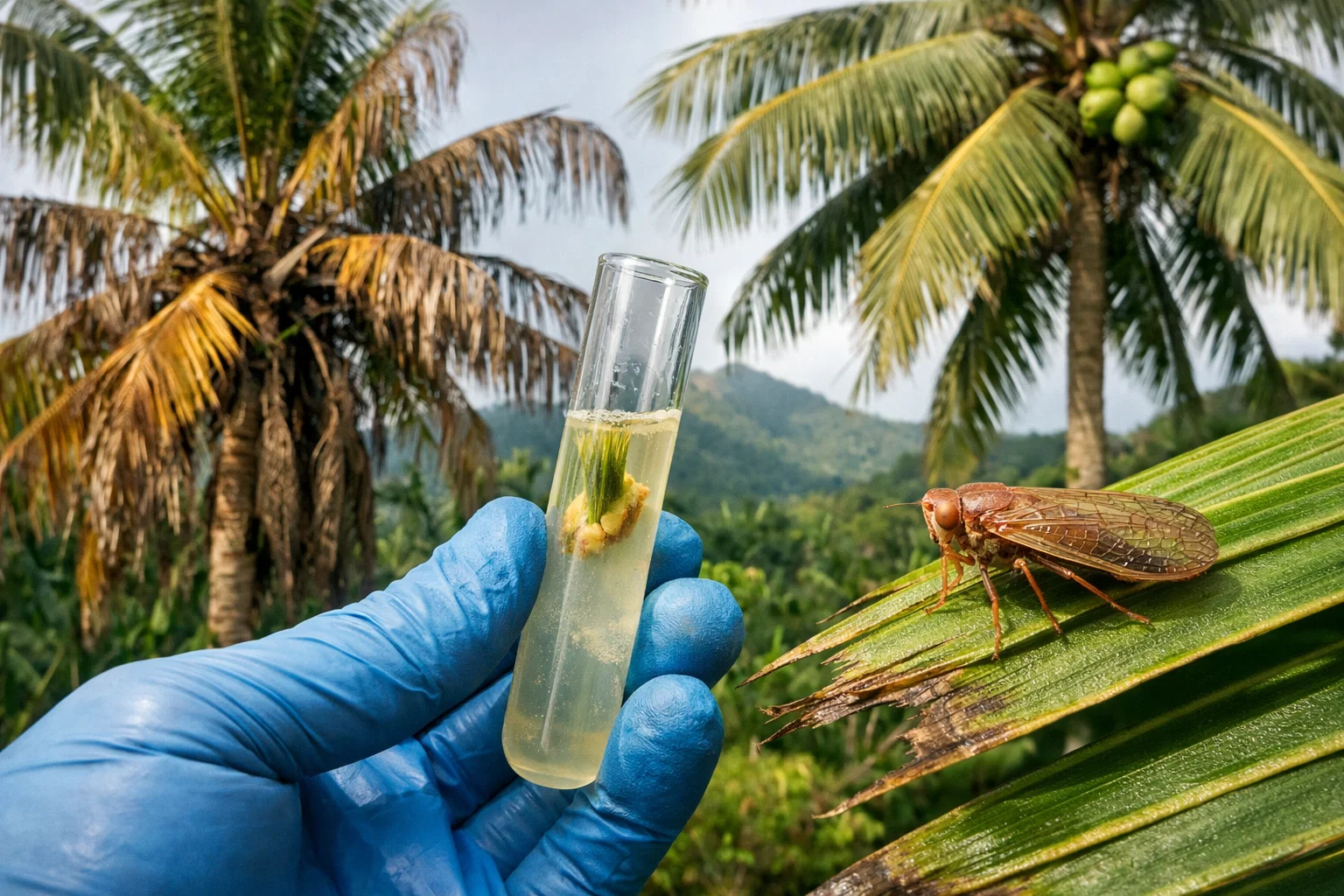
Under the HOOPS framework, primary school students are tasked with creating “Brand Identities” for their school gardens. This involves graphic design workshops to create labels for bottled coconut water, photography sessions to document the growth of ground provisions, and social media management to market their harvests to the local community. By blending Bush Medicine knowledge from local herbalists with modern digital tools, the HOOPS program is training a new generation of Ethical Creatives. These students understand that a bottle of fresh Dominican coconut milk is more valuable when it is sold with a story of heritage, resilience, and organic purity, a classic Orange Economy strategy of value-adding through narrative.
Data-Driven Creativity
The formalisation of the sector has enabled better data collection, moving away from anecdotal evidence toward concrete financial metrics. These statistics provide the basis for the “Creative Credit” loan facilities offered by the National Bank of Dominica.
Financial Metrics and Economic Impact (2025/2026)
- Direct Economic Injection (Festivals): The combined revenue from Mas Domnik 2025 and WCMF 2025 totalled $69.6 million XCD, supporting over 200 microenterprises.
- Sector GDP Contribution: The creative industries now account for 6.4% of Dominica’s GDP, a significant increase from the pre-pandemic average of 3.8%.
- Digital Reach: Over 1,200 Dominican creators are now registered on regional e-commerce and streaming platforms, with international royalty payments to local artists increasing by 22% year-on-year.
- Government Investment: The 2025/2026 fiscal cycle saw a $13.4 million XCD allocation for the 25th WCMF, the largest single cultural investment in the island’s history.
- Workforce Demographics: Roughly 9.2% of the national workforce is now employed in creative or cultural services, with the highest growth seen in digital media and culinary arts.
- CARDTP Impact: Through the Caribbean Digital Transformation Project, over 450 Dominican artisans received specialised training in 3D printing, digital photography, and international IP law in 2025.
The Digital Frontier and the “Work from Nature” Influence
Dominica’s push for 5G connectivity and island-wide fiber-optic coverage has created a new class of Digital Nomads and Remote Creatives. The Work from Nature (WFN) visa program, launched in the early 2020s, has matured by 2026 into a collaborative ecosystem. International filmmakers, software developers, and graphic novelists are now choosing Dominica as their base, often collaborating with local talent to produce global content. This brain gain has led to the rise of co-working spaces in Roseau and Portsmouth, where a local musician might collaborate with a visiting sound engineer from London, blending Dominican Cadence-lypso rhythms with international electronic beats.
This digital frontier also extends to the visual and culinary arts. Dominican painters like the late Earl Etienne and Tiffany Burnett are leveraging NFTs (Non-Fungible Tokens) and digital galleries to reach collectors who may never visit the Caribbean. Similarly, the culinary sector has seen a Premiumization of traditional goods. The DCP Successors Ltd factory in Mahaut has partnered with local designers to rebrand traditional soaps and oils as Eco-Luxury items, fetching higher prices in the “Orange” markets of Europe by emphasising the island’s volcanic purity and sustainable harvesting methods.
Profiles of Excellence and Future Resilience
The success of the Orange Economy ultimately rests on the resilience of the Dominican people. Individuals like Darnley Guye, the Mas Domnik 2026 Personality of the Year, embody the lifelong dedication required to maintain cultural heritage. Guye’s work in costume building is a masterclass in the “Circular Orange Economy,” using sustainable materials to create world-class masquerade art. Meanwhile, younger innovators are using AI and augmented reality to create Heritage Apps that allow tourists to scan a green coconut stand and see a digital overlay of the coconut’s journey from Woodford Hill to the street side.
However, the path forward is not without challenges. The Orange Economy is highly dependent on airlift and maritime access. Expansion of flights by American Airlines and United Airlines into Douglas-Charles Airport has been a critical lifeline. Still, the cost of regional travel remains a barrier to the CARICOM Single Market and Economy (CSME) dream of a unified Caribbean creative market. Furthermore, as AI begins to dominate content creation, Dominican creators must lean harder into their Hyper-Local identity, the specific sounds, tastes, and stories that cannot be replicated by an algorithm.
The Roadmap to 2035
As Dominica looks toward the end of the decade, the Orange Economy is set to become the primary engine of the Nature Island brand. The strategy is clear: move from being a consumer of global culture to a dominant producer of unique Caribbean content.
Strategic Recommendations for 2030
- Formalize the “Creative Credit” System: Establish a dedicated venture capital fund within the AID Bank specifically for intellectual property-based startups.
- Global IP Protection: Launch an aggressive “Brand Dominica” certification mark to protect local products like “Bello” hot sauce and “Kalinago” baskets from international counterfeiting.
- Educational Reform: Fully integrate “Creative Entrepreneurship” into the CXC and CAPE curricula, ensuring that every Dominican student graduates with a basic understanding of copyright and digital marketing.
- The “Orange-Green” Subsidy: Provide tax incentives for creative businesses that utilize 100% local, sustainable agricultural inputs in their products or performances.
- Satellite Creative Hubs: Expand high-speed “Innovation Centres” to rural areas like Castle Bruce and Grand Bay to ensure that creative opportunities are not centralized in the capital.
- Annual Orange Economy Summit: Host an annual regional forum in Dominica that brings together investors, tech-preneurs, and artists to discuss the future of Caribbean creativity.
In conclusion, the Dominica of March 20, 2026, is an island that has found its voice. Through the formal endorsement of programs like HOOPS and the strategic investment in digital infrastructure, the island has proven that culture is a renewable resource more valuable than any commodity. By treating its heritage with the same rigor as its environment, Dominica is creating a sustainable, “Orange” future where every citizen can be a creator, an entrepreneur, and a guardian of the Nature Island’s soul.


References
-
1.
Dominica Launches Orange Economy Initiative to Support Creative Industries https://dominicanewsonline.com/news/homepage/news/dominica-launches-orange-economy-initiative-to-support-creative-industries/
-
2.
Orange Economy Explained – Creative Economy Framework https://www.iadb.org/en/orange-economy
-
3.
Creative Economy and Cultural Industries in the Caribbean (UNESCO) https://en.unesco.org/creativity/governance
-
4.
Creative Industries and Cultural Economy in Small Island States https://www.caribank.org/publications-and-resources
-
5.
Cultural and Creative Industries in the Caribbean Region https://caricom.org/our-work/creative-industries/
-
6.
Creative Economy and Cultural Entrepreneurship https://unctad.org/topic/trade-analysis/creative-economy
-
7.
ominica Hosts Orange Economy Workshop for Creative Sector Development https://dominicanewsonline.com/news/homepage/news/dominica-hosts-orange-economy-workshop-for-creative-sector-development/