

Dominica Film Commission
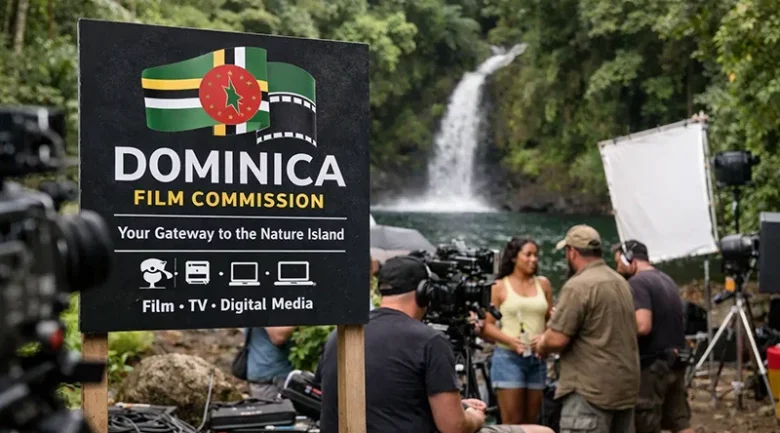
The Dominica Film Commission (DFC) operates as the official statutory gateway for the global motion picture industry, functioning as a one-stop shop to facilitate the production of films, television series, and digital media on the “Nature Island.” Today, the commission has moved beyond its historic role as a passive location scout to become an active economic catalyst. Under the Ministry of Tourism and the Creative Economy’s modern mandate, the DFC is tasked with transforming Dominica’s raw volcanic beauty into a sophisticated, revenue-generating “Film-Ready” destination. By bridging the gap between high-level international production houses and the local service economy, the commission ensures that the island is not just a backdrop, but a partner in the global creative supply chain.
The commission’s strategic importance is supported by the government’s recent pivot toward the Orange Economy. In a landscape where traditional agricultural exports are affected by climate volatility, the film industry offers a high-value, low-impact alternative that capitalises on the island’s unique topography. From the boiling sulphuric cauldrons of the Roseau Valley to the pristine, untouched Sperm Whale Reserve of the Caribbean Sea, the DFC manages a portfolio of locations increasingly sought after by streaming giants and documentary filmmakers alike. Their impact is measured not only by the number of cameras on the ground but by the depth of “Local Spend”, the direct injection of foreign capital into the hands of Dominican caterers, drivers, set builders, and technical fixers.
To maintain a competitive edge against regional rivals like Puerto Rico and the Dominican Republic, the DFC oversees a rigorous but rewarding administrative framework designed to protect both the filmmaker and the island’s heritage.
Core Administrative Pillars
- Permitting and Licensing: The commission is the sole authority responsible for issuing the official National Film Permit, acting as the centralised clearinghouse for site access to National Parks and indigenous lands of the Kalinago Territory.
- Logistical Concierge: DFC officers coordinate with the Customs and Excise Division to facilitate the duty-free temporary importation of specialised production gear, including high-tech drones and heavy lighting rigs.
- Incentive Management: The commission administers fiscal incentives, including VAT waivers on qualified local expenditures and tax-free status for registered international production entities.
- Talent Database: Maintaining a comprehensive directory of “Film-Ready” local professionals allows the commission to match incoming producers with certified Dominican crew members, fostering sustainable domestic employment.
As the industry matures, the DFC has expanded its focus toward the Blue Economy, marketing the island’s underwater volcanic vents and marine sanctuaries as world-class sets for aquatic cinematography. This specialisation has attracted high-end natural history units that require specific technical support, which the commission facilitates through partnerships with the Fisheries Division. Furthermore, the commission has digitised its location library, allowing international location scouts to conduct virtual 3D flyovers of potential sets, drastically reducing the carbon footprint and lead time of the pre-production phase.
However, the DFC also serves as a regulatory watchdog, ensuring that the influx of large-scale crews does not disturb the island’s delicate ecological balance. Every production is subject to a “Green Filming” protocol, a set of environmental guidelines established in late 2025 that mandates waste management and minimises noise pollution in sensitive wildlife corridors. This balance between commercial exploitation and environmental preservation is the hallmark of the Dominican model.
Strategic Incentives: Budgets
To compete with regional neighbours, the Government of Dominica introduced a revised suite of incentives specifically managed by the Film Commission:
| Incentive Type | Detail |
| Tax-Free Imports | 100% exemption on duties for all film-related goods, props, and materials. |
| Corporate Tax Holidays | Income tax exemptions for registered production companies for the duration of the project. |
| Streamlined Approvals | A “Fast-Track” protocol for site access, ensuring permissions for National Parks are granted within 48–72 hours. |
| VAT Exemptions | Specific exemptions on local “qualified expenditures” such as catering, transport, and lodging for large-scale productions. |
Economic Impact and the “Creative Pillar”
The Commission’s work is now measured as part of the Creative Industry, which contributed significantly to the national GDP in early 2026.
- The $70M Boost: Recent data suggests the creative sector (including film, music, and festivals) generated approximately EC$70 million in economic activity during 2025.
- Job Creation: The Commission maintains a database of “Film-Ready” local talent, including fixers, caterers, drivers, and set builders, ensuring that international spend stays within the local economy.
Recent Production Activity
Dominica continues to move beyond its Pirates of the Caribbean legacy, attracting a more diverse range of media:
- Regional Narratives: In 2026, the Commission supported the launch of “Mas + Movies,” a film series focused on Caribbean Carnival culture, including the premiere of the television pilot “Just Iere.”
- Reality & Documentary: The island remains a top choice for high-end survivalist reality shows and nature documentaries due to its untouched volcanic terrain and the newly established Sperm Whale Reserve.
How to Engage the Commission
For producers looking to film in Dominica, the Commission requires a formal Film Permit Application submitted at least two to three weeks prior to arrival.
Pro-Tip: All incoming film companies must provide proof of Liability Insurance to the Film Commission for the duration of their production. Within seven days of departure, teams must also submit an Impact Assessment Form outlining their total local expenditure and employment data.
Ultimately, the Dominica Film Commission is the architect of a new cinematic era for the island. By professionalising the local creative sector and streamlining the hurdles of international production, the DFC ensures that the Nature Island remains a top-tier choice for storytellers worldwide while safeguarding the nation’s natural and cultural integrity.


