
Creative Exports in Dominica
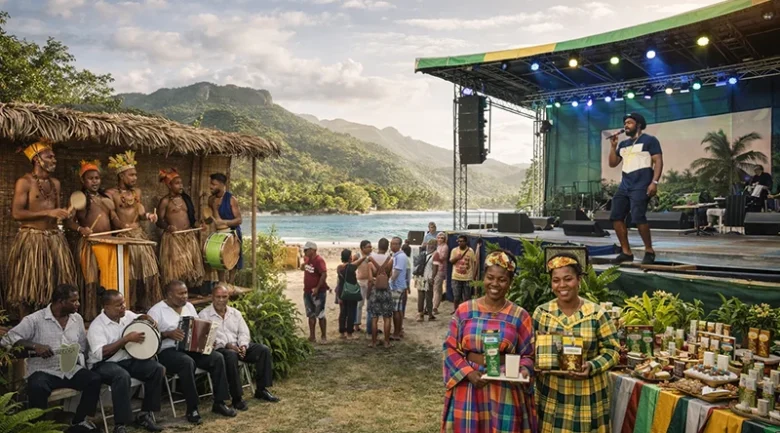
This strategic analysis explores Creative Exports in Dominica. While the broader Creative Sector encompasses all artistic activity within the island, the “Creative Export” sub-sector focuses specifically on the commercialisation and international sale of Dominican identity. By treating culture as a tradeable commodity, ranging from digital music streaming and film location services to the branding of traditional wellness products, Dominica has transformed its Orange Economy into a high-yield engine for national development and foreign exchange.
Defining the Dominican Creative Export
In the global trade landscape, a “Creative Export” is defined as any product or service whose value is primarily derived from Dominican intellectual property (IP), heritage, or artistic skill. For Dominica, this definition is unique because it is inextricably linked to the island’s ecology. Unlike larger nations that separate culture from nature, Dominica’s creative exports are Eco-Creative. This means that when a consumer in Europe buys a bottle of a Dominican coconut-based skin-restorative or streams a Bouyon track recorded in a rural studio, they are purchasing a piece of the “Nature Island” brand. The primary goal of the national export strategy is to move away from the cargo economy, the export of raw materials like bananas, toward a knowledge economy, where the island’s stories, sounds, and traditional remedies are packaged for global consumption.
The shift toward prioritising creative exports was born out of economic necessity. Following the fiscal restructuring of the mid-2020s, the Ministry of Trade and the Dominica Export Import Agency (DEXIA) recognised that physical goods are subject to high shipping costs and climate-related disruptions. Conversely, a digital music file or a film script can be exported instantly via fibre-optic cables. This frictionless trade has allowed Dominican creators to bypass the geographical limitations of a Small Island Developing State (SIDS). Today, the term “Creative Export” has come to represent the ultimate expression of Dominican self-reliance, proving that the island’s most valuable resource is not its soil, but the imagination of its people.
The Institutional Framework for Export Readiness
The professionalisation of creative exports is not an accidental byproduct of talent; it is the result of a deliberate, multi-agency framework designed to move artists from the informal to the formal global market.
Key Institutional Drivers of Creative Exports
- Dominica Export Import Agency (DEXIA): Serving as the vanguard of trade, DEXIA has evolved beyond agriculture to provide Export-Ready certifications for artisans, ensuring their packaging, labelling, and IP registrations meet European and North American standards.
- Companies and Intellectual Property Office (CIPO): Under Registrar, CIPO has modernized the national registry to allow for Digital Fingerprinting of creative works, ensuring that Dominican musicians and filmmakers can claim international royalties automatically.
- The Dominica Film Commission: This body acts as a service exporter, selling Dominica’s topography to international production houses. By providing scouting, local crew, and logistical support, they export Dominican expertise to the global film industry.
- The Division of Culture: Led by Earlson Matthew, the division ensures that the raw material of the export, Dominican heritage, remains authentic. They manage the Creole 4 Business program, which helps creators navigate the French-speaking markets of the FWI (French West Indies).
- The Dominica Festivals Committee (DFC): While festivals are domestic events, the DFC treats them as Export Showcases. By inviting international scouts and media to events like the World Creole Music Festival, they create a platform for local artists to secure international bookings.
- Entrepreneurship and Innovation HUB (EHUB): A 2026 initiative that provides seed funding and mentorship specifically for creative startups, focusing on those with a business model geared toward international e-commerce.
The Music Export Engine of Bouyon
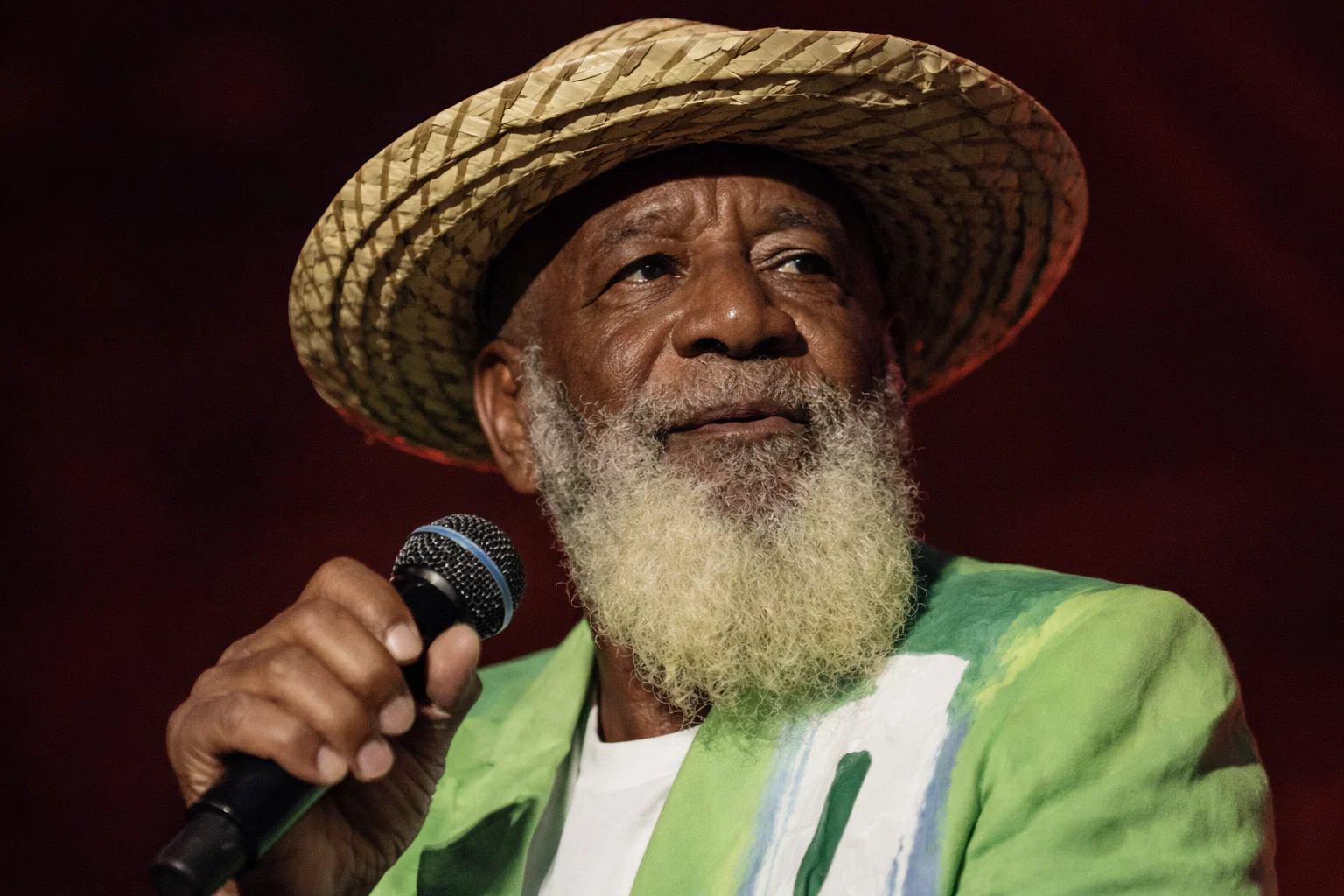
Music is Dominica’s most successful creative export, led by the high-energy Bouyon music genre. The music industry has successfully transitioned from a local performance model to a global royalty-based model. Artists like Asa Bantan, the “Bouyon Boss,” and the Triple Kay International band are no longer just singers; they are CEOs of digital brands. The export value of a Bouyon track is calculated through international streaming numbers on platforms like Spotify and YouTube, as well as synchronisation licenses where Dominican music is used in global advertisements or video games. This Invisible Export brings a steady stream of foreign currency into the local economy, which is then reinvested into high-tech recording studios in Roseau and Portsmouth.
Furthermore, the music export sector has benefited from the Silver Jubilee of the World Creole Music Festival in October 2025. This milestone event served as a massive branding exercise for the island’s sonic identity. By partnering with regional distributors in Martinique and Guadeloupe, Dominican artists have secured a foothold in the wider Creolophonie market, a niche of over 10 million Creole speakers worldwide. The export of performance services is also a major factor; Dominican bands are now top-billed acts at festivals in Paris, London, and Toronto, effectively exporting their talent and bringing wealth back to the Nature Island.
Quantifying the Contribution: Data and Statistics
The contribution of creative exports to the national economy is no longer anecdotal; it is supported by rigorous data from the Ministry of Tourism and the Eastern Caribbean Central Bank (ECCB).
Economic Metrics of the Creative Export Sector
- Annual Economic Injection: The cultural export cycle, anchored by Carnival 2026 and the 2025 WCMF, generated a direct economic boost of EC$69.6 million, supporting thousands of micro-businesses.
- GDP Contribution: Creative exports and services now account for approximately 6.4% of Dominica’s total GDP, a record high that marks the sector as a top-five national industry.
- Job Creation: The Film and Digital Media sub-sector alone is projected to create 1000 new professional roles by 2030, ranging from digital editors to specialised lighting technicians.
- Trade Balance Impact: Revenue from digital IP (music, software, and design) has reduced the national trade deficit by 4.2%, as Digital Exports do not require the high fuel and shipping costs of physical commodities.
- Training and Development: Through the CARDTP project, over 450 local creators have been trained in international trade laws and e-commerce, increasing the Export Readiness score of the national workforce.
- Youth Employment: The creative export sector remains the largest employer of Dominicans aged 18–35, with over 12% of this demographic identifying as Digital or Cultural Entrepreneurs.
The Orange-Green Intersection
One of the most innovative developments is the blurring of lines between the Orange Economy and the Green Economy. This is best exemplified by the Helping Out Our Primary Schools (HOOPS) program. Formally endorsed on March 18, 2026, HOOPS treats agriculture as a creative discipline. By teaching primary school students about branding, logo design (won by Soufriere Primary School and the SMA), and product storytelling, the program is training future exporters who can sell Dominican ground provisions at a premium.
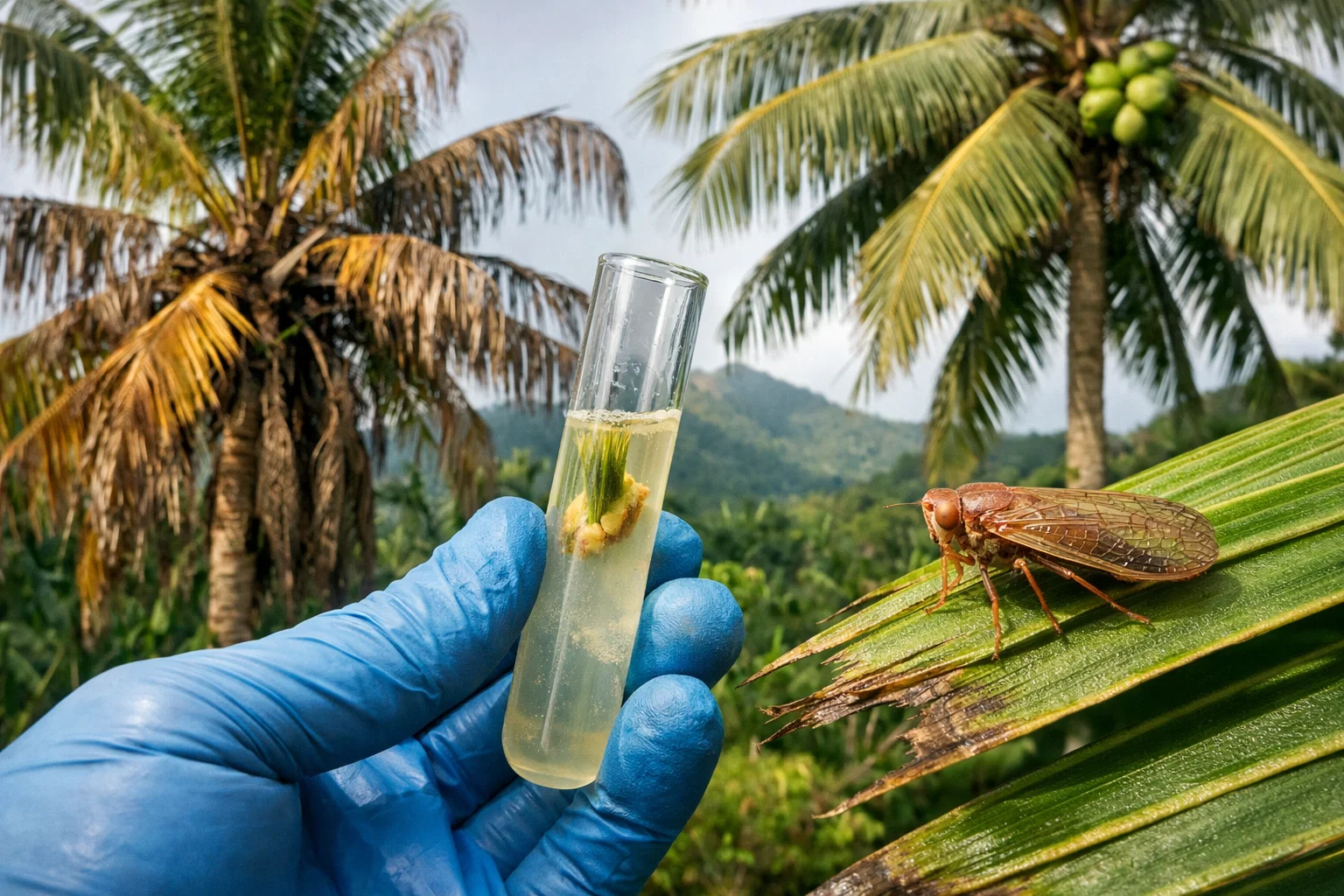
This Creative Agribusiness model is essential for the export of traditional products. For example, coconut milk is no longer just a food item; it is exported as a high-end wellness product. Beyond the plate, coconut milk remains essential to traditional medicine; local herbalists utilise its rich lipids in bush medicine as a therapeutic cooling agent and a nutrient-dense restorative for holistic recovery. By branding these traditional remedies with the Nature Island seal of authenticity, Dominica is exporting its ancestral knowledge as a high-value health product, competing directly with global wellness brands.
Digital and Service Exports: Film, Tech, & Modern Nomads
The digital transformation of Dominica has allowed for the rise of Service Exports. The island is no longer just a place to visit; it is a place to produce content. The Work in Nature (WIN) visa and the Work Online Dominica programmes have created an environment where Dominican creators can work for global firms while remaining on-island. This effectively turns every remote worker into an Exporter of Services. When a Dominican graphic designer in Grand Bay completes a contract for a firm in New York, they have performed a creative export. This sector is supported by the expansion of high-speed fibre-optic networks to rural communities, ensuring that the Orange Economy is not restricted to the capital city.
The film industry has also seen a surge in Mega Projects. With the construction of the new International Airport Project in Wesley, international film crews have easier access to the island’s most dramatic landscapes. The Location Export business will become a specialised field, with local companies being able to provide Eco-Set services, ensuring that film productions have a zero-carbon footprint while utilising local artisans for set construction and traditional costume design. This symbiotic relationship ensures that international capital flows into the hands of local creators, reinforcing the island’s “Green” and “Orange” sustainability.
Strategic Programs for Export Expansion
To ensure the long-term sustainability of creative exports, several regional and national initiatives have been launched to provide creators with the capital and tools they need to scale.
Strategic Initiatives Supporting Creative Trade
- The GRIT Initiative: A CAD $3.16 million program funded by the Government of Canada, specifically designed to help women-led creative businesses in the OECS (including Dominica) transition to digital and green export models.
- CARIB-EXPORT (CIF 2026): The Caribbean Investment Forum provides a platform for Investment-Ready creative projects in Dominica to pitch to global venture capitalists, with a focus on scalable agribusiness and digital systems.
- The National Digital Transformation Strategy (2022–2026): A multi-million dollar roadmap that has modernised the legal framework for e-commerce, data privacy, and digital signatures, making it easier for Dominicans to trade globally.
- UNCTAD Trade in Services Workshop: A training program held in Roseau that teaches creators how to use data analytics to track the performance of their exports in international markets.
- The Creole 4 Business Exchange: A trade agreement with the French West Indies that streamlines the movement of artists and cultural goods between Dominica, Martinique, and Guadeloupe.
- The HOOPS Agri-Brand Fund: A Ministry of Agriculture fund that provides grants to schools and youth groups to develop professional branding for their “Orange-Green” export products.
The Future Outlook: 2030 and Beyond
As Dominica approaches 2030, the Creative Export sector is poised to become the island’s primary differentiator in the global market. The goal is to move from being a “Small Island” to a “Large Soul” economy, where the output of the island is measured by its cultural influence rather than its physical size.
The resilience of the Dominican spirit, embodied by “Cultural Builders” like Darnley Guye (Mas Domnik 2026 Personality of the Year), ensures that this economy is built on a foundation of authentic pride. As the island continues to integrate its “Green,” “Blue,” and “Orange” strategies, it provides a blueprint for other developing nations. In Dominica, the creative export is no longer just a line item on a trade balance; it is the voice of a people who have learned to turn their heritage into their greatest harvest. Whether it is through a hand-pressed jelly nut sold at an eco-kiosk or a world-class Bouyon track topping the charts, the Nature Island is proving that creativity is the most sustainable export of all.


References
-
1.
Dominica – Creole 4 Business Programme (OECS Press Room) https://pressroom.oecs.int/dominica-creole-4-business-strengthening-businesses-through-language-culture-and-relationships
-
2.
Dominica’s Creative Industry Powers Economic Growth (Creole Heartbeat) https://www.creoleheartbeat.com/dominica-s-creative-industry-powers-ec-69-6m-economic-boost-as-carnival-2026-launches-with-bold-vision/
-
3.
Roseau: A Hub of Creative Expression in Dominica (HCP Association) https://hcpassoc.org/roseau-dominica-a-flourishing-hub-of-creative-expression-in-2025
-
4.
Dominica Creative Sector and Craft Heritage (Richès Karayib) https://richeskarayib.com/dominica/