


Maroon Wars in Dominica
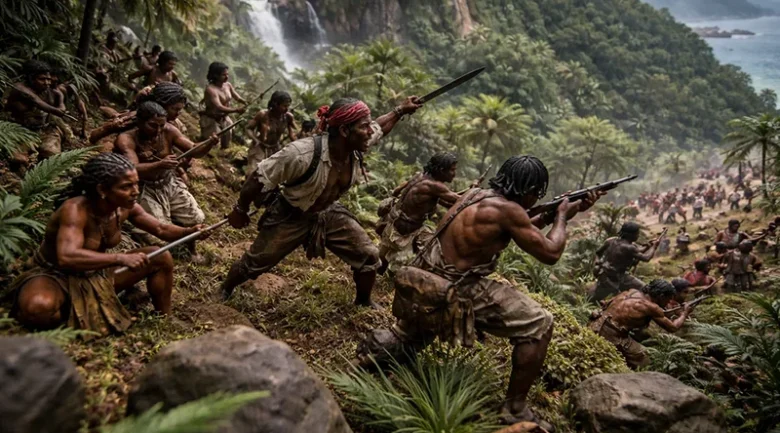
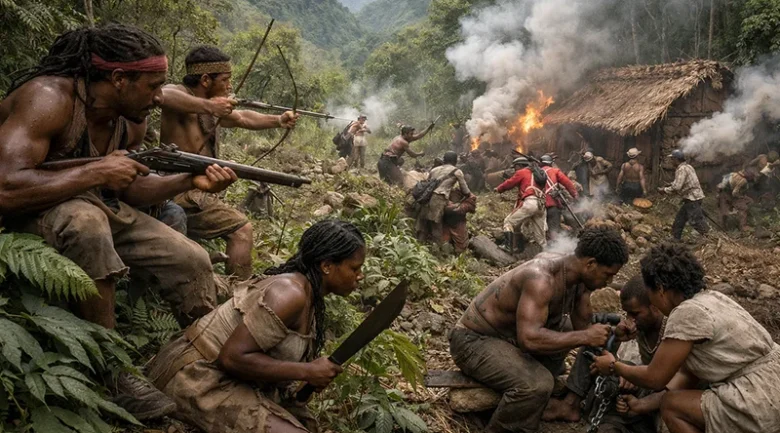
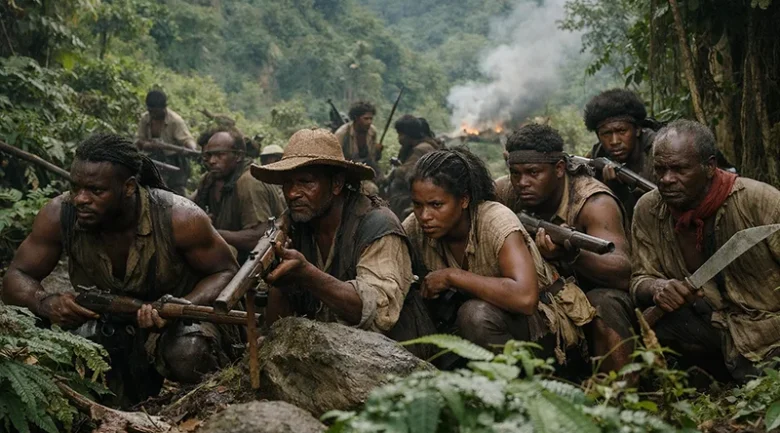
The Maroon Wars in Dominica were a series of protracted armed conflicts between the British colonial administration and organised communities of formerly enslaved people, known as Maroons, who had escaped plantations to establish independent settlements in the island’s rugged interior. Unlike the more widely documented Maroon Wars in Jamaica, the conflicts in Dominica were characterised by the unique topographical challenges of the island’s volcanic terrain, which provided the Maroons with a formidable defensive advantage. These wars occurred primarily in two major phases: the First Maroon War (1785–1786) and the Second Maroon War (1809–1814)), representing a significant chapter in the resistance against chattel slavery in Dominica and the wider Caribbean.
Historical Origins of Marronage in Dominica
Marronage in Dominica began almost immediately after the introduction of enslaved Africans to the island. During the period of French occupation and subsequent British rule following the Treaty of Paris in 1763, the dense, mountainous forests of the interior became a sanctuary. The term Maroon is derived from the Spanish word cimarrón, meaning “wild” or “untamed,” originally referring to cattle that had escaped into the hills.
In Dominica, Maroons formed complex societal structures. These were not merely bands of fugitives but organized camps (known as maniels) with defined leadership, agricultural systems, and defensive strategies. By the late 18th century, these communities had grown large enough to pose a structural threat to the plantation economy, as they frequently raided estates for supplies, tools, and to liberate other enslaved individuals.
The First Maroon War (1785–1786)
The First Maroon War was sparked by the increasing frequency and boldness of Maroon raids on British plantations along the coast. Following the American Revolutionary War, the British sought to stabilise their Caribbean holdings and viewed the independent Maroon settlements as a direct challenge to colonial sovereignty.
Leadership and Organization
The Maroons during this period were led by prominent figures such as Balla, Pharcelle, and Jacko. Balla, in particular, was recognised as a “Chief of the Maroons” and exercised significant authority over several camps. The Maroons utilised guerrilla warfare tactics, leveraging their knowledge of the Waitukubuli (the Kalinago name for Dominica) landscape to ambush colonial militias.
Colonial Response
The British Governor at the time, John Orde, authorised the formation of Black Corps units, enslaved men or free blacks armed by the colonial government, to track the Maroons. The British realised that European soldiers were ill-equipped for the humidity and verticality of the Dominican interior.
The conflict reached a climax in 1785 when the British launched a massive offensive. Despite their resistance, the Maroons suffered from a lack of gunpowder and the relentless scorched earth policy of the British, who destroyed Maroon provision grounds to starve them into submission. Balla was eventually captured and executed in 1786, marking the end of the first major phase of organised warfare.
The Second Maroon War (1809–1814)
The Second Maroon War was a more desperate and violent struggle, occurring against the backdrop of the Napoleonic Wars and the abolition of the transatlantic slave trade in 1807. The Maroons, fearing that the British would never grant full emancipation, intensified their efforts to expand their free territories.
The Rise of Jacko and Quashie
By the early 1800s, Jacko had established a legendary stronghold in the centre of the island (near what is now known as Jacko Flats). He had lived in the woods for over forty years, creating a self-sustaining community. Other leaders, such as Quashie, Apollo, and Indie, commanded various districts, effectively creating a state within a state.
The 1813 Proclamation and Military Campaign
In 1813, Governor George Ainslie issued a draconian proclamation, demanding that all Maroons surrender or face total extermination. Ainslie’s campaign was notoriously brutal; he offered rewards for the heads of Maroon leaders and oversaw the destruction of entire settlements.
The turning point occurred in 1814 when British forces discovered the secret path to Jacko’s camp. In the ensuing battle, Jacko was killed after a lifetime of resistance. The loss of their most senior leader, combined with the systematic destruction of their crops, led to the collapse of organised Maroon military resistance by late 1814.
Tactical and Geographic Factors
The Maroons’ success for several decades was due to two primary factors: Guerrilla Tactics and Topography.
- Defensive Positions: Maroons built their camps on high ridges with steep precipices, making it impossible for colonial troops to approach without being spotted.
- The Waitukubuli Advantage: The dense rainforest provided natural camouflage and an endless supply of water and wild food, such as mountain chicken (the Crapaud) and wild yams.
- Intelligence Networks: Maroons maintained secret communication lines with enslaved people remaining on the plantations, who provided them with information on troop movements and high-value targets.
Socio-Political Impact and Legacy
The Maroon Wars forced the British colonial administration to spend exorbitant amounts of money on internal defense, nearly bankrupting the local treasury. More importantly, the persistence of the Maroons proved that the plantation system was inherently fragile.
Toward Emancipation
Historians often cite the Maroons’ resistance as a precursor to the eventual abolition of slavery in the British Empire in 1833. Their refusal to be subdued highlighted the problem of freedom that colonial authorities could not solve through force alone.
Cultural Heritage
Today, the legacy of the Maroons is woven into the threads of Dominican culture. Places such as Jacko Flats, Jacko Falls, and the Layou Valley serve as geographical markers of this resistance. The spirit of the Maroons is celebrated in Dominica as the foundation of the national identity, one of resilience, independence, and a deep connection to the land.


