



Cancer in Dominica
In Dominica, cancer has become one of the most severe and growing public health challenges within the modern healthcare system. The medical and financial impact of these conditions affects families across the island, shaping local medical infrastructure, public health policies, and government priorities. Standing alongside heart disease, strokes, and diabetes as a major part of the chronic illness crisis, cancer is now responsible for an increasingly large percentage of adult sickness and death nationwide.
Beating cancer in Dominica requires a tight, aggressive network of local testing, modern drug therapies, urgent public education, and mandatory regional travel for specialised radiation treatments. The island’s fast-moving lifestyle shift, fueled by poor diets, environmental pollution, and an ageing populace, is driving solid tumours and blood cancers straight into a major operational crisis for local doctors and clinic managers alike. This no-nonsense profile lays out the hard facts of the current medical crisis, covering the exact patient numbers, primary cancer categories, available hospital beds, and the essential public-private non-profit groups funding patient care today.
The Epidemiological Context and National Burden of Disease
The distribution and impact of cancer in Dominica must be understood within the broader context of the Caribbean region’s epidemiological transition. Historically, communicable diseases and infectious pathogens posed the greatest threat to public health on the island. However, modernisation, profound dietary shifts, and significantly extended life expectancies have fundamentally altered the disease profile. Today, non-communicable diseases (NCD) are the overwhelming drivers of mortality across all local health districts. Data compiled in 2023 indicates that non-communicable diseases accounted for 571 deaths on the island, drastically overshadowing the 46.6 deaths attributed to communicable diseases and 34.5 deaths resulting from injuries.
The cancer crisis in Dominica mirrors wider Caribbean statistics but remains shaped by unique local factors. The connection between a rapidly ageing population and modern nutritional transitions, characterised by high intakes of processed foods, salty meats, and sugars, creates a bodily environment highly prone to malignancy. Furthermore, the ancestral genetic traits common in Afro-Caribbean populations directly alter the presence and aggressive behaviour of specific hormone-fueled cancers, most notably prostate and breast cancers. The economic damage from this threat is massive, covering immediate healthcare costs for complex imaging, cancer drugs, and overseas travel for radiation, plus indirect losses from reduced workplace productivity, early deaths, and heavy emotional suffering across entire family groups.
To mitigate the systemic impact of these diseases, the Ministry of Health, Wellness and Social Services continues to allocate an increasing share of its annual health budget toward NCD management. This strategic focus prioritises secondary prevention, aggressive early detection campaigns, and the consistent procurement of essential antineoplastic agents through collaborative mechanisms such as the Organisation of Eastern Caribbean States (OECS) Pharmaceutical Procurement Service.
Statistical Analysis of Cancer Mortality in Dominica
The tracking of oncological mortality relies on detailed epidemiological data and regional health analyses. Specific mortality figures provide a stark illustration of the primary threats facing the population. According to the Centers for Disease Control and Prevention (CDC) Morbidity and Mortality Weekly Report (MMWR) analyzing data from 2003 to 2013, there were 359 documented cancer-related deaths among males in Dominica. A detailed breakdown of this specific mortality data reveals the overwhelming dominance of a few specific malignancies:
- Prostate Cancer: Prostate malignancies accounted for 170 of these male deaths, representing a staggering 47.4% of total male oncological mortality on the island.
- Stomach Cancer: Gastric and stomach cancers were the second leading cause of male cancer deaths during this period, resulting in 32 fatalities (8.9%).
- Lung and Bronchus Cancers: Malignancies of the respiratory tract were responsible for 26 deaths (7.2%).
- Pancreatic Cancer: Aggressive pancreatic tumors caused 20 deaths (5.6%).
- Colon and Rectum Cancers: Colorectal malignancies accounted for 18 deaths (5.0%).
- Liver and Intra-hepatic Bile Duct Cancers: Hepatic malignancies were responsible for 10 deaths (2.9%).
- Oral Cavity and Pharynx Cancers: Cancers of the mouth and throat caused 9 deaths (2.5%).
- Non-Hodgkin Lymphoma: This specific hematological cancer was responsible for 9 deaths (2.5%).
- Esophageal Cancer: Malignancies of the esophagus resulted in 6 deaths (1.7%).
Among the female population, consistent statistical monitoring indicates similar risk levels. According to the Ministry of Health, breast and cervical cancers in women, alongside prostate cancer in men, consistently remain the leading causes of cancer-related deaths across the nation. The overwhelming prevalence of these specific cancers dictates the focus of national screening campaigns and the allocation of preventative resources.
The 20 Most Common Cancers in Dominica
The clinical landscape in Dominica is characterized by a wide spectrum of neoplastic diseases. The following represents a comprehensive list of the twenty most prevalent and clinically significant cancers encountered within the national public health system, reflecting both historical data and emerging epidemiological trends.
- Prostate Cancer: This specific malignancy represents the leading cause of oncological mortality among Dominican men, frequently presenting late and requiring advanced therapies.
- Breast Cancer: The most prevalent oncological condition among Dominican women, demanding widespread early screening and often presenting in highly aggressive biological phenotypes.
- Cervical Cancer: Driven primarily by oncogenic human papillomavirus infections, this entirely preventable disease remains a significant and active threat to female health.
- Colorectal Cancer: Rising rapidly due to dietary shifts toward ultra-processed foods, this gastrointestinal malignancy heavily affects both men and women across demographics.
- Stomach Cancer: Historically linked to traditional diets involving preserved proteins and unmitigated bacterial infections, it constitutes a substantial cause of male deaths.
- Lung Cancer: Despite relatively low local commercial tobacco smoking rates, secondary exposure and environmental risk factors contribute to fatal respiratory tract tumours.
- Pancreatic Cancer: A highly lethal, aggressive abdominal malignancy that typically presents in advanced stages with profound jaundice, demanding complex surgical intervention strategies.
- Liver Cancer: Strongly associated with metabolic syndromes and viral hepatitis, hepatocellular carcinoma requires complex imaging diagnostics and highly specialised hepatic systemic therapies.
- Ovarian Cancer: This gynecological malignancy is frequently termed a silent killer, presenting late with vague abdominal symptoms and requiring extensive cytoreductive surgery.
- Uterine Cancer: Endometrial carcinomas are closely linked to rising national obesity rates, frequently presenting with postmenopausal bleeding and requiring urgent gynaecological evaluation.
- Non-Hodgkin Lymphoma: A complex group of blood cancers originating in the lymphatic system, presenting with swollen lymph nodes and managed through chemotherapy.
- Esophageal Cancer: Strongly correlated with gastric reflux and lifestyle factors, this gastrointestinal cancer severely impacts swallowing function and presents significant nutritional challenges.
- Oral Cancer: Malignancies of the mouth and pharynx, occasionally linked to alcohol consumption and viral infections, require specialised maxillofacial surgical restorative interventions.
- Thyroid Cancer: Endocrine malignancies that typically present as palpable neck nodules, possessing relatively high survival rates when promptly diagnosed and surgically resected.
- Leukemia: Diverse hematological malignancies affecting bone marrow and blood production, demanding precise laboratory diagnostics and continuous, long-term systemic cytotoxic infusion therapies.
- Bladder Cancer: Urological malignancies frequently present with painless blood in the urine, requiring continuous cystoscopic surveillance and specialised intravesical therapeutic medical management.
- Kidney Cancer: Renal cell carcinomas are increasingly detected incidentally during routine abdominal imaging, requiring partial or radical nephrectomy for effective curative outcomes.
- Multiple Myeloma: A complex cancer of plasma cells within the bone marrow, causing severe skeletal damage, renal impairment, and requiring targeted treatments.
- Brain Tumors: Central nervous system malignancies remain relatively rare but devastating, causing profound neurological deficits and necessitating highly specialized regional neurosurgical interventions.
- Skin Cancer: While less common among deeply pigmented populations, melanomas and squamous cell carcinomas still occur, demanding rigorous dermatological surveillance and excision.
Primary Classifications and Pathology Profiles
While the list above outlines the breadth of the oncological burden, an in-depth understanding of the deadliest cancers provides critical context for public health planning. The oncological registry of Dominica reveals a highly stratified profile of malignancies, heavily influenced by sex, age, environmental exposure, and lifestyle factors.
The Impact of Prostate Carcinoma
Prostate cancer stands out as the deadliest medical threat facing men across Dominica today. This alarming public health crisis stems from the genetic heritage of Afro-Caribbean lineages, which leaves local men highly vulnerable to fast-moving, aggressive forms of the disease at a much earlier age. However, successfully managing this illness is deeply complicated because patients usually seek help too late. Due to social taboos and historically limited screening campaigns, men regularly skip routine physical checks and blood tests until their physical health severely breaks down.
As a direct result of this delay, many find out they have cancer only after it has escaped the prostate gland, travelled into the core skeleton, or caused severe urinary blockages. Local clinics must then rely on hormone-blocking therapies, which use medical castration methods to dry up the hormones feeding the tumour, combined with supportive palliative care to manage intense bone discomfort. The Dominica Cancer Society strongly advises men over 40 to prioritise these regular preventative screenings.
The Impact of Breast Carcinoma
Breast cancer is the most common cancer among women in Dominica and a top priority for local health organisations. The trends seen on the island often mirror those across the wider Caribbean: women are being diagnosed at a younger age than their counterparts in North America or Europe, and there is a concerning prevalence of aggressive tumor types, such as triple-negative breast cancer.
Doctors point to a mix of causes for these patterns. These include genetic factors, rising rates of metabolic health issues (such as diabetes and high blood pressure), increasing obesity, and changes in reproductive trends, such as women having fewer children or having them later in life.
Because there is no universal, legally mandated mammogram program, early detection relies heavily on “opportunistic screening”, meaning doctors check for signs during routine visits, and patient self-awareness. The Dominica Cancer Society actively encourages all adult women to perform monthly self-exams and to schedule annual clinical screenings.
When it comes to treatment, local capabilities are strong but have limits. Surgical options, including full mastectomies or breast-conserving procedures, and systemic chemotherapy are managed effectively on-island at the Dominica China Friendship Hospital (DCFH). However, because there are no local facilities for radiotherapy (radiation therapy), patients requirng this specific follow-up care must travel to regional medical centres overseas. This lack of local radiation services introduces significant financial and logistical challenges for patients and their families.
The Impact of Cervical Carcinoma
Cervical cancer is a primary focus for public healthcare efforts because it stems directly from persistent infections caused by high-risk strains of the Human Papillomavirus (HPV). Unlike alternative malignancies, this specific cancer can be completely avoided using dependable preventative health vaccines alongside routine clinical testing.
Nevertheless, advanced, deep-seated cervical tumours still occur, needing diverse medical treatments that often require travelling to regional facilities for specialised internal radiation treatments. The ongoing campaign against cervical cancer in Dominica highlights a conflict between advanced preventative medicine and the real-world logistics of tracking widespread population testing compliance.
The Impact of Colorectal Carcinoma
Cancers of the colon and rectum are rising at an alarming rate among both men and women in Dominica. This worrying increase is directly linked to rapid changes in our daily eating habits. The traditional Dominican diet, which historically featured complex carbohydrates, fresh fish, and locally grown root crops, is being replaced by ultra-processed imported foods, high-sodium preserved meats, and refined sugars.
This major dietary shift combines with lower fiber intake and inactive lifestyles to create an environment where cells in the lower digestive tract can easily become cancerous. In the early stages, small growths called polyps usually show no warning signs, which causes dangerous delays in finding the disease early.
Consequently, many patients only go to the hospital after developing severe complications like a completely blocked bowel, profound anemia from blood loss, or drastic changes in toilet habits. These serious symptoms point to advanced stages that require emergency surgery and intensive chemotherapy treatments.
Cervical Cancer Care: Screening, Protection, and Prevention
To successfully halt the rising numbers of oncological illnesses, the Ministry of Health allocates substantial resources to public prevention and structured vaccination programs. The clearest example of this medical policy is the national push to eradicate cervical cancer through proactive childhood immunisations and standardised Pap screening.
According to the HPV Information Centre’s 2023 Fact Sheet, Dominica maintains a demographic foundation of 29,414 women aged 15 years and older who remain vulnerable to developing cervical cancer. Facing the major danger stemming from high-risk viral infections, the state deployed quick interventions to shield youth populations. The national HPV vaccine campaign was officially added to the broad national immunisation calendar in 2019. This initiative explicitly focused on school-aged groups to establish a strong foundation of wide community defence well before the initiation of regular sexual activity.
The execution of this health strategy has produced tangible progress in local medical outreach. By 2021, the recorded coverage for the first jab and the final injection of the HPV vaccine stabilised at 68% among the target female demographic. This tier of protection serves as a critical stepping stone toward establishing broad herd immunity against the specific viral lineages responsible for nearly all cervical malignancies. Paired with early vaccine safety, the clinical system underscores secondary care via standard liquid-based cytology checks (Pap tests). Official medical notices demand routine cervical screening for women aged 18 to 65. The core purpose of these standardised tests is the immediate discovery and surgical clearing of severe pre-cancerous cell abnormalities long before they mature into invasive, fatal tumours.
Institutional Infrastructure
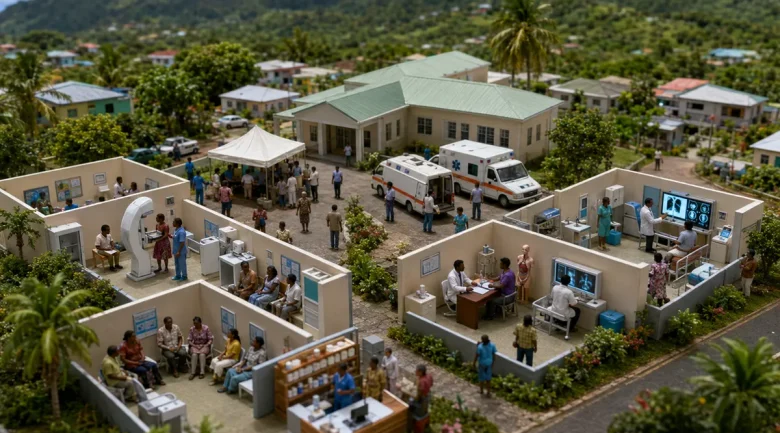
The absolute bedrock of Dominica’s domestic cancer management framework is the Dominica China Friendship Hospital (DCFH), located in the Goodwill suburb of the capital, Roseau. Officially replacing the ageing infrastructure of the historical Princess Margaret Hospital, the DCFH stands as the nation’s premier tertiary medical facility and the central referral hub for all complex oncological diagnostics and specialised clinical interventions. It receives critical patients when their conditions escalate beyond the management capabilities of primary health centres or district hospitals.
Diagnostic Precision and the Medical Technology Wing
The most significant advancement in local oncological care has been the deployment of high-resolution diagnostic technology within the Dominica China Friendship Hospital (DCFH). Operating from an ultra-modern medical technology wing, the Diagnostic Imaging Department features advanced Computed Tomography (CT), Magnetic Resonance Imaging (MRI), and digital radiography suites. These systems allow clinical oncology teams to conduct immediate, non-invasive staging, delineate complex tumour margins, and detect distant metastases. Crucially, this infrastructure is bolstered by a regionally unique High-Intensity Focused Ultrasound (HIFU) machine for non-invasive cancer ablation, a capability that has drastically reduced the historical financial burden of overseas medical travel.
Complementing the imaging capabilities is a fully equipped central laboratory facility and a modernized blood bank. This laboratory infrastructure is exceptionally vital for the safe and continuous administration of systemic chemotherapy, enabling the rapid processing of complete blood counts, comprehensive metabolic panels, and the rigorous evaluation of critical tumor markers. This ensures that highly toxic systemic treatments are dosed safely, effectively, and modified appropriately based on real-time physiological data.
Systemic Infusion Services and Surgical Oncology
The Dominica China Friendship Hospital (DCFH) operates specialised clinical services dedicated entirely to administering systemic antineoplastic therapies. Patients requiring standard cytotoxic chemotherapy or targeted monoclonal antibody treatments receive their infusions in the specialised Ambulatory Day Care Unit, where they are closely monitored by specialised nursing staff. Furthermore, under the governance of the Dominica Hospitals Authority (DHA), surgical capacity features a state-of-the-art five-room theater complex capable of executing complex general and specialist oncological operations, including radical tumor resections. The clinical workforce is heavily supported by vital international partnerships, including the China Medical Team and Guangzhou medical brigades, ensuring that the local standard of care continuously evolves.
The Radiotherapy Gap and Regional Triage
Despite the profound modernisation of domestic diagnostic and chemotherapeutic services at the Dominica China Friendship Hospital (DCFH), a major structural and geographical limitation remains: the complete absence of localised radiotherapy infrastructure.
Technical Barriers to Local Implementation
Setting up a standalone domestic radiotherapy centre is logistically and financially unfeasible due to strict clinical requirements:
- Specialized Facilities: Linear accelerators (LINAC) required for external beam radiation therapy (EBRT) necessitate heavily shielded concrete bunkers.
- Grid Reliability: The machinery demands a consistently stable high-voltage power grid.
- Human Resource Constraints: Operation requires a multidisciplinary team including radiation oncologists, medical physicists, and dosimetrists.
The Realities of Regional Medical Travel
Consequently, patients requiring curative or palliative radiation must be formally referred overseas to regional oncology centres in neighbouring territories like Barbados, Trinidad and Tobago, or Martinique. This absolute reliance on tertiary care referrals introduces immense financial and emotional complexities, straining household resources and highlighting the critical need for formalised medical diplomacy within the Caribbean basin.
Statutory and Regulatory Architecture
The execution of complex medical interventions in the Commonwealth of Dominica is strictly governed by modernised legislation designed to elevate national standards:
- The Medical Laboratories Act 2024: Establishes the Medical Laboratories Council to mandate strict statutory quality controls and professional certification across all diagnostic facilities. This guarantees that clinical decisions regarding highly toxic antineoplastic drugs are guided by laboratory metrics operating under standardised, internationally recognised protocols.
- The Medical Profession Act 2026: Establishes the independent Dominica Medical Council to oversee practitioner compliance, replacing the historical, outdated Medical Board framework.
Primary Care Impact
Strict legal adherence to mandatory Continuing Medical Education (CME) parameters ensures that general practitioners operating across rural primary care health centres remain fully trained in modern early-detection protocols, precise symptom recognition, and appropriate oncological referral pathways.
The Public-Private Support Architecture
The holistic management of cancer in Dominica is not exclusively the purview of the state; it relies heavily on the active participation, advocacy, and financial mobilization of civil society and non-governmental organizations. The profound economic shock and emotional toll of an active cancer diagnosis frequently overwhelms the capacity of individual families, making centralized community support networks absolutely indispensable.
The Dominica Cancer Society
At the forefront of this community-based support architecture is the Dominica Cancer Society, a highly dedicated non-profit organization operating as a critical, grassroots ally to the public health system. The mission of the organisation is comprehensive and multifaceted: to actively mobilise resources, educate the broader public, empower patients, and provide direct, tangible support to individuals, families, and communities impacted by the disease.
A primary and critical function of the Dominica Cancer Society is financial mobilisation and advocacy. Because many patients require specialised treatments currently unavailable on the island, specifically radiotherapy or highly advanced targeted genetic therapies, the society focuses immense energy on raising vital funds to assist cancer patients in accessing treatment locally and on facilitating the complex logistics of securing medical care in other countries. Beyond pure financial assistance, the organization provides vital emotional and administrative support by helping patients navigate the complexities of the modern healthcare system. They assist individuals in parsing complex medical jargon, managing emotional distress, and transitioning smoothly between initial primary care diagnostics and distant tertiary treatment hubs. Through public awareness walks, educational seminars, and direct patient counselling, the Dominica Cancer Society bridges the gap between clinical medicine and community resilience.
Strategic Framework and Future Directives
Cancer in Dominica represents a severe challenge that blends complex medical issues with everyday financial realities, local lifestyle habits, and travel barriers. The high death rates tied to prostate, breast, cervical, and colon cancers demand constant, aggressive public health action. Through the modern upgrades at the Dominica China Friendship Hospital, the successful rollout of the national HPV vaccine program, and the non-stop advocacy of the Dominica Cancer Society, our nation has built a strong defense to confront this chronic illness crisis.
Moving forward, the national strategy remains heavily focused on creating organised systems to track local cancer data with regional neighbours. Health officials want to boost regular screenings among high-risk groups and strengthen partnerships with overseas hospitals. These steps ensure that every citizen facing a cancer diagnosis receives complete, scientifically proven, and deeply compassionate care.


References
-
1.
Cancer Deaths Rising, Prioritize Screenings, Urges DCS https://dominicanewsonline.com/news/homepage/news/cancer-deaths-rising-prioritize-screenings-urges-dcs/
-
2.
Dominica Recorded 27 Prostate Cancer Cases for 2024, Says Health Minister https://dominicanewsonline.com/news/homepage/homepage-carousel/dominica-records-27-prostate-cancer-cases-in-2024-health-minister-says/
-
3.
Dominica Cancer Society Panel Discussion on Prostate Cancer https://www.youtube.com/watch?v=HO51n4FxT9I
-
4.
The 5 Deadliest Common Diseases in Dominica https://borgenproject.org/common-diseases-in-dominica/
-
5.
Support For Those With Cancer https://www.lifelinedominica.org/cancer-support.html
-
6.
WHO Dominica Cancer Country Profile 2020 https://cdn.who.int/media/docs/default-source/country-profiles/cancer/cancer-dma-2020.pdf
-
7.
WHO Cervical Cancer Dominica Profile 2021 https://cdn.who.int/media/docs/default-source/country-profiles/cervical-cancer/cervical-cancer-dma-2021-country-profile-en.pdf
-
8.
PAHO Dominica Cancer Profile Assessment 2013 https://www.paho.org/sites/default/files/DOMINICA-CANCER-PROFILE-2013.pdf
-
9.
Study Shows Breast Cancer Two Times Higher in Caribbean Compared to US https://dominicanewsonline.com/news/homepage/news/health/study-shows-breast-cancer-two-times-higher-in-caribbean-compared-to-us/
-
10.
Histopathologic cancers in the Commonwealth of Dominica https://iris.paho.org/server/api/core/bitstreams/f1f1b4f7-6a66-4218-b280-d2052c136b87/content