
Summer in Dominica
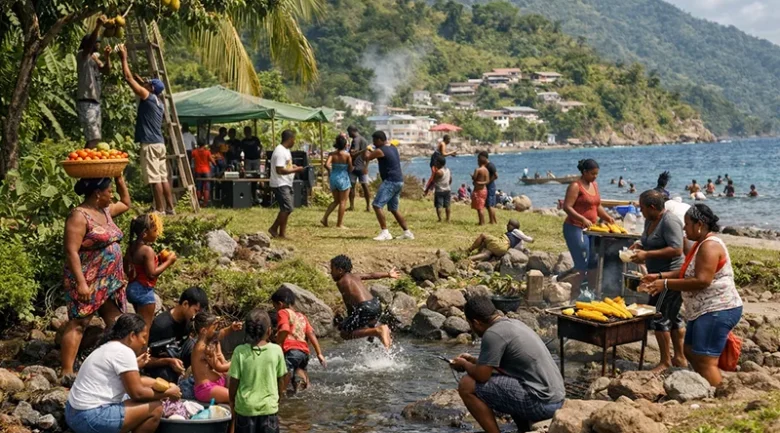
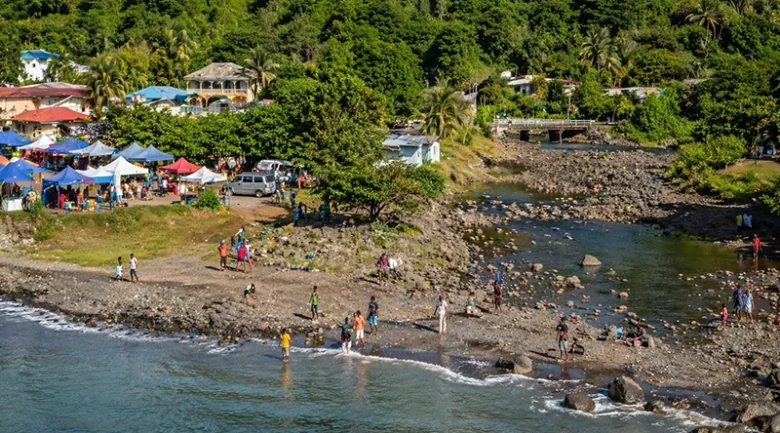
Summer in Dominica (June through August) is a season of profound sensory contrast. Known as the Green Season, this period is defined by the peak of the island’s tropical fertility, the high-energy “fete” culture of the school holidays, and a unique maritime calendar. As humidity rises, so does the island’s spirit, and the Nature Island transforms into a lush, fruit-bearing paradise.
The Climatic Shift: The Green Season
Summer is when Dominica truly earns its title. The heat of the tropical sun is frequently broken by liquid sunshine, warm, heavy downpours that recharge the island’s 365 rivers.
- Humidity and Heat: Daytime temperatures peak at 31°C (88°F). The humidity is high, making the air feel thick and fragrant with the scent of damp earth and blooming jasmine.
- The Power of the Waterfalls: Unlike the drier winter months, summer rains ensure that landmarks like Middleham Falls and Victoria Falls are at their most thunderous. The increased water volume makes the river tubing experience on the Layou River faster and more exhilarating.
- Resilience and Readiness: June 1st marks the start of the Atlantic Hurricane Season. In the post-2017 era, summer is a time of national readiness. You will notice community groups and the Office of Disaster Management (ODM) conducting preparedness drills, a testament to the island’s goal of becoming the world’s first climate-resilient nation.
The Fruit Explosion: A Culinary Peak
If the Saturday Market is the heart of Roseau, Summer is its most bountiful provider. The fertile volcanic soil works overtime during these months.
- Mango Season (June–July): This is the definitive Mango Summer. The island boasts over a dozen varieties. You will find “Starch,” “Graham,” and the prized Roseau mangoes overflowing from roadside stalls. It is a local tradition for children to spend afternoons mango hunting in the heights of the northern parishes.
- The Pineapple Harvest: August sees the peak of the pineapple harvest, particularly in the eastern villages like Wesley. These are famously sweet and low in acidity, thanks to the mineral-rich volcanic soil.
- Avocado (Pear) Season: As summer wanes in August, the pears begin to drop. Dominican avocados are massive and creamy, often eaten as a staple side dish with every mid-day meal.
Cultural and Nautical High Points
Summer is the primary window for festivals that celebrate Dominica’s Blue Economy and its Creole heart.
Jazz ‘n Creole (Pentecost Weekend)
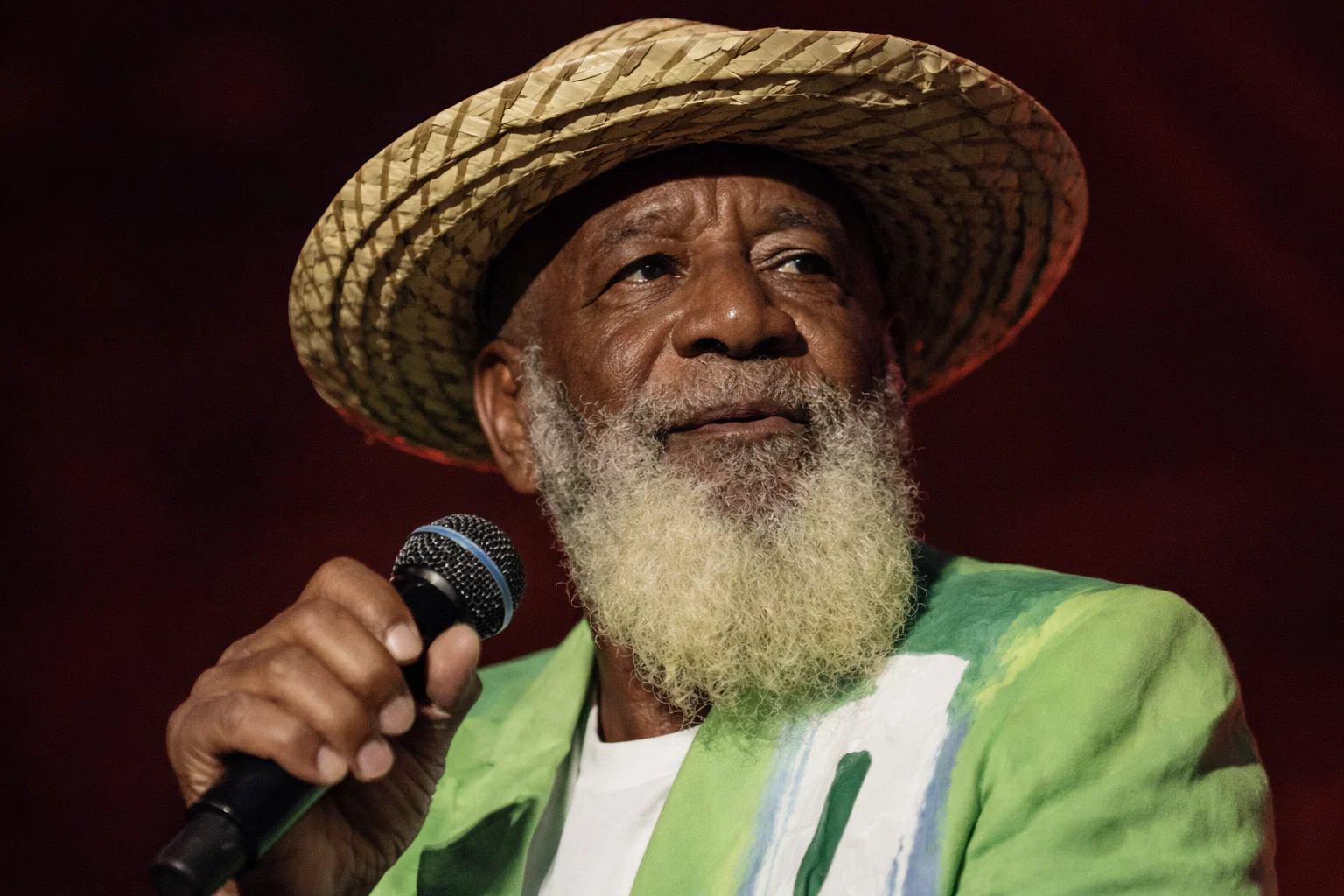
Held at the historic Fort Shirley in Cabrits National Park, this is “the” summer event. It blends international jazz syncopation with Cadence-lypso of the Caribbean. The dress code is “Creole Chic,” featuring madras patterns and straw hats, set against the backdrop of the Caribbean Sea.
Dive Fest (July)
Dominica is a top-tier global diving destination, and Dive Fest is its showcase.
- Whale Watching: While Sperm Whales are residents year-round, the calmer summer seas make for excellent viewing conditions.
- The Marine Reserve: In the Soufrière Scotts Head Marine Reserve, summer visibility is often at its peak, allowing divers to see the Champagne Reef bubbles and volcanic vents with startling clarity.
The Sea Turtle Vigil
One of the most moving summer experiences is the nesting of sea turtles. Between March and August, the Atlantic beaches, particularly Rosalie Bay and Londonderry Beach, become nesting grounds for:
- Leatherbacks: The largest of all living turtles.
- Hawksbills and Green Turtles: Frequently spotted by conservationists. By late July and August, the first hatchlings begin to emerge from the sand at night, guided by the moonlight to the ocean. Many eco-resorts coordinate Turtle Watches that allow visitors to witness this cycle under strict environmental protocols.
Practical Summer Strategy
To navigate a Dominican summer like a local, you must adapt to the Ridge-to-Reef rhythm:
- Morning Hikes: Start your treks to Morne Nicholls or the Waitukubuli National Trail by 6:00 AM. This allows you to finish the strenuous climbs before the midday humidity peaks.
- Afternoon River Dips: Follow the local lead. When the afternoon heat hits, head for the natural hot springs of the Ti Kwen Glo Cho or the cold basins of the White River.
- Mosquito Protocol: The rains bring more “zints” (mosquitoes). Use lemon eucalyptus oil and wear light, long-sleeved linens during the Golden Hour at dusk.
- Digital Connectivity: The Work in Nature (WIN) program has made high-speed Starlink and fiber-optic internet common in mountain lodges, making summer a popular time for digital nomads to work amidst the lush greenery.
