
General Elections in Dominica
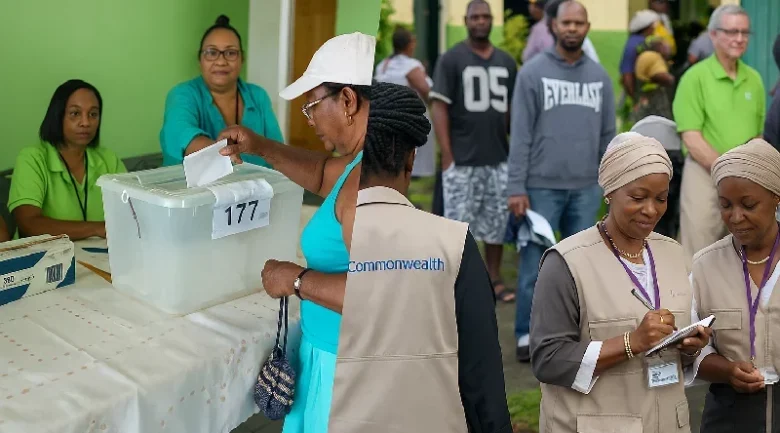
Citizens choose their government through periodic general elections, a process grounded in the Constitution and central to Dominica’s functioning as a parliamentary democracy. Held at least once every five years, these elections determine the composition of the House of Assembly, where elected officials from across the Constituencies in Dominica represent the people. The process, monitored and administered by the Electoral Office, has been a defining feature of the island’s political life since gaining independence in 1978.
Historical Overview of General Elections
Dominica’s electoral history has mirrored its journey from a British colony to an independent nation. Early elections in the 20th century were held under restricted suffrage, but universal adult suffrage was granted in 1951. Since independence, general elections have provided a peaceful platform for power transitions and political leadership shifts. The Government of Dominica has, at various times, been led by parties such as the Dominica Labour Party (DLP), Dominica Freedom Party (DFP), and United Workers Party (UWP).
The first post-independence election occurred in 1980, leading to a historic victory for the DFP under Dame Mary Eugenia Charles, who became the region’s first female Prime Minister. This was followed by several tightly contested races, with the DLP emerging as the dominant force from 2000 onwards.
Chronology of General Elections in Dominica
A full list of general elections held in Dominica since independence includes:
- 1975 General Elections – DLP victory; Patrick Roland John serves as Premier
- 1980 General Elections – DFP victory; Eugenia Charles becomes Prime Minister
- 1985 General Elections – DFP retains control
- 1990 General Elections – DFP wins a third consecutive term
- 1995 General Elections – UWP victory; Edison Chenfil James becomes Prime Minister
- 2000 General Elections – DLP returns to power; Roosevelt “Rosie” Douglas becomes Prime Minister
- 2005 General Elections – DLP wins under Roosevelt Skerrit
- 2009 General Elections – DLP consolidates leadership
- 2014 General Elections – DLP re-elected
- 2019 General Elections – DLP wins again
- 2022 General Elections – Snap elections called; DLP secures 19 of 21 seats
Each election reflects Dominica’s evolving political culture, voter engagement, and the shifting balance of national priorities.
Electoral Structure and Representation
The country is divided into 21 single-member electoral districts, or Constituencies in Dominica; Castle Bruce Constituency, Colihaut Constituency, Cottage Constituency, Grand Bay Constituency, La Plaine Constituency, Mahaut Constituency, Marigot Constituency, Morne Jaune/Riviere Cyrique Constituency, Paix Bouche Constituency, Petite Savanne Constituency, Portsmouth Constituency, Roseau Central Constituency, Roseau North Constituency, Roseau South Constituency, Roseau Valley Constituency, Salisbury Constituency, Salybia Constituency, Soufriere Constituency, St. Joseph Constituency, Vieille Case Constituency and Wesley Constituency.
Each elects one Parliamentary Representative to the House of Assembly. These representatives are central figures in local governance and national legislative affairs, often serving in ministerial roles or as backbenchers advocating for their constituents.
Leader of the Opposition and Democratic Balance
The Leader of the Opposition is a constitutionally recognised figure, tasked with presenting alternative policies, scrutinising the actions of the ruling government, and ensuring accountability. The President makes the appointment, selecting the Member of Parliament who, in their judgment, commands the support of the largest group of opposition members in the House. Following the 2022 snap election, Jesma Paul-Victor, elected as an independent in the Salisbury Constituency, was appointed. However, this changed in 2024 when Anthony Charles, MP for Marigot, was named the new Leader of the Opposition, restoring representation for the United Workers Party.
Cabinet of Ministers and Executive Governance
The executive branch of the Government of Dominica is led by the Prime Minister, currently Roosevelt Skerrit, who has served since 2004. Cabinet positions are appointed by the President on the advice of the Prime Minister and typically filled by elected or appointed members of the House. The Cabinet of Ministers is responsible for implementing policy, administering government departments, and managing national development.


