
Morne Jaune/Riviere Cyrique Constituency
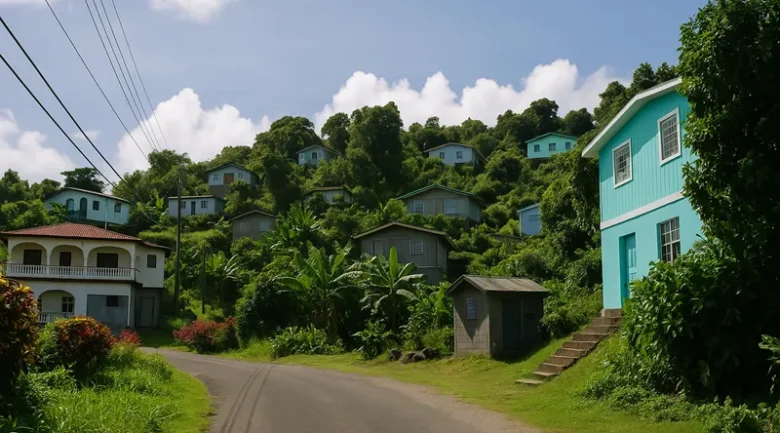
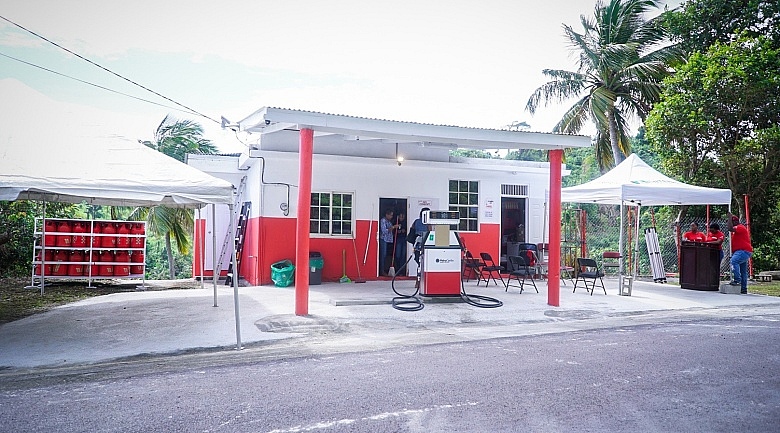
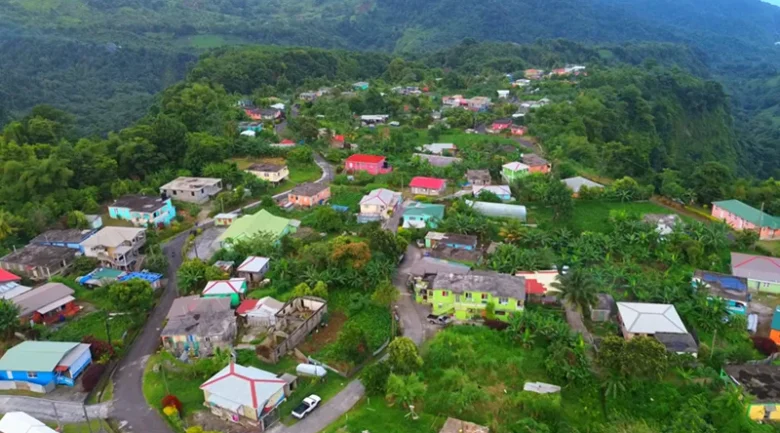
The Morne Jaune/Riviere Cyrique Constituency is one of the 21 official constituencies established under the Constitution of the Government of Dominica, represented in the House of Assembly by a single Parliamentary Representative. It lies in the southeastern part of the island, forming part of Saint David Parish, and is known for its resilient communities, cultural heritage, and lush landscapes. The constituency plays a vital role in rural representation and is a focal point for development efforts in the Dominican southeast corridor.
Geographic Boundaries and Communities
This constituency comprises the villages of Morne Jaune, Riviere Cyrique and Grand Fond. These settlements are nestled in forested valleys and along cliffside routes above the Atlantic Ocean‘s coastline, where rivers like the Rosalie River and Riviere Cyrique River carve through the rugged landscape. The communities are linked by narrow rural roads, often damaged by landslides or tropical storms, and have historically been affected by natural disasters, including Hurricane Maria.
Unlike the La Plaine Constituency to its south, the Morne Jaune/Riviere Cyrique seat is defined by steep agricultural zones, banana farming, and limited tourism development, with potential for eco-tourism in Rosalie and Grand Fond.
Political Representation of Morne Jaune/Riviere Cyrique Constituency
The constituency has a rich political legacy and has been represented by prominent figures in Dominica’s recent political history. Since 1990, it has alternated between the United Workers Party (UWP) and the Dominica Labour Party (DLP), with strong community loyalty shaping electoral outcomes.
- 1975 – 1990, Conrad W. Cyrus (Independent)
Dominated initial post‑independence contest in 1980 with 703 votes; maintained strong independent presence in Morne Jaune/Rivière Cyrique amid party-wide DFP dominance. - 1990 – 2005, Gertrude Roberts (United Workers Party)
Educator‑turned‑politician who served three terms; as Minister, she championed community development, women’s affairs and post‑hurricane rebuilding across the constituency. - 2005 – 2009, Abraham Browne (United Workers Party)
UWP candidate captured the seat in 2005 and served a term focused on continued rural infrastructure, though was later succeeded in 2009 by DLP competition. - 2009 – 2014, Ivor Stephenson (Dominica Labour Party)
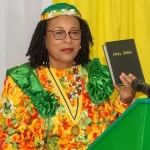
Narrowly captured the constituency in the 2009 by-election; served while managing health challenges, including a stroke in 2017, continuing as Parliamentary Secretary. - 2019 – Present, Gretta Roberts (Dominica Labour Party)
Elected in 2019, succeeding Stephenson, former educator and UNESCO secretary-general, leading culture, youth and community development initiatives as sitting MP.
Culture, Economy, and Development
The region is known for its strong Catholic traditions, participation in Creole Day celebrations, and historic links to Dominica’s early education infrastructure. Agriculture remains the main economic activity, supported by banana cultivation, root crops, and local cooperatives.
Residents have recently called for improved road access, storm-resistant housing, and safer water systems. Thanks to interventions from the European Development Fund and national funding, some of these needs have been addressed.
Schools, community centres, and health facilities are being gradually restored or upgraded. Gretta Roberts has emphasised community-based programming and cultural revitalisation as key elements of her representation.
Outlook and National Role
As Dominica continues its path toward becoming the world’s first climate-resilient nation, the Morne Jaune/Riviere Cyrique Constituency is a crucial case study in sustainable rural development. While often overshadowed by larger constituencies, it remains central to Dominica’s electoral map and grassroots political culture.


