Chief Veterinary Officer (CVO)
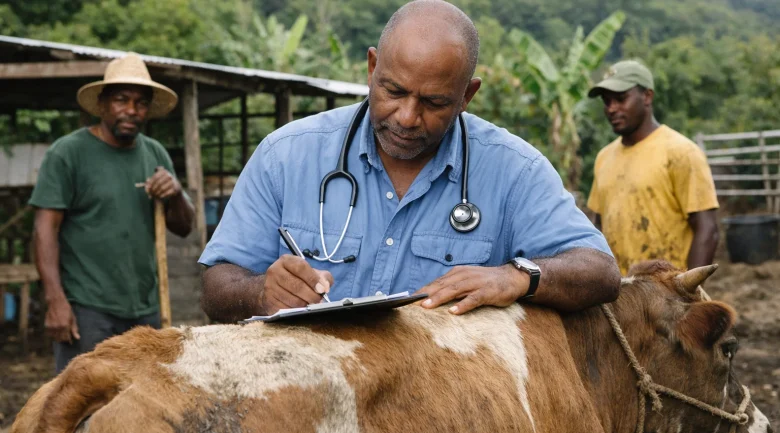
The Chief Veterinary Officer (CVO) in the Commonwealth of Dominica is the highest-ranking technical authority responsible for animal health, welfare, and national biosecurity. Functioning as the director of the Veterinary Unit within the Ministry of Agriculture, the CVO’s role is critical to maintaining the integrity of the island’s food supply and protecting the Nature Isle from global biological threats. This position is not merely clinical; it is a high-level regulatory office that bridges the gap between local agricultural productivity and international trade standards.
The Core Mandate and Primary Duties
The CVO is the primary enforcer of the Animals Diseases Act (Chapter 60:02), which provides the legal framework for all veterinary activities on the island. Currently, the duties of the office are divided into several key pillars:
- National Biosecurity and Trade: The CVO has the final authority over the importation of all live animals and animal-derived products. This includes reviewing applications and issuing import permits to ensure that no transboundary diseases, such as African Swine Fever or Highly Pathogenic Avian Influenza, enter the island.
- Disease Surveillance and One Health: A significant portion of the role involves monitoring zoonotic diseases (those that can jump from animals to humans). By managing programs for Rabies, Leptospirosis, and Bovine Tuberculosis, the CVO acts as a frontline defender of human public health.
- Livestock Development: The CVO oversees the improvement of the national herd. This includes managing government-led initiatives like the Artificial Insemination (AI) program and supervising the distribution of high-quality genetics to farmers to ensure food security.
- Clinical Oversight: While the CVO holds an administrative rank, the role involves supervising a team of District Veterinary Officers and Livestock Technicians. The CVO ensures that clinical services and vaccinations reach rural farming communities in all seven health districts.
- International Representation: The CVO serves as Dominica’s official delegate to the World Organisation for Animal Health (WOAH) and works closely with regional bodies like CARPHA and the FAO to align the island’s protocols with global scientific standards.
Requirements for the Role
The position of Chief Veterinary Officer is a specialized post that requires a blend of advanced medical knowledge and administrative expertise. To be considered for this role within the Dominican public service, a candidate must typically meet the following criteria:
- Educational Qualifications: A Doctor of Veterinary Medicine (DVM) degree from a recognized and accredited university is mandatory. Many incumbents also hold post-graduate degrees in Veterinary Public Health, Epidemiology, or Tropical Animal Health.
- Professional Licensing: The individual must be fully registered and licensed to practice by the Veterinary Board of Dominica.
- Experience: Substantial experience in clinical practice is required, usually paired with several years of experience in agricultural management or regulatory oversight.
- Leadership Skills: As the head of a division, the CVO must possess strong leadership abilities to manage human resources, departmental budgets, and high-stakes emergency responses during disease outbreaks or natural disasters.
Currently, the CVO’s office is central to Dominica’s goal of becoming the world’s first climate-resilient nation. By ensuring that the livestock sector can withstand environmental shocks and remain disease-free, the CVO provides the foundational health security necessary for a thriving Green Economy.


References
-
1.
CAHFSA Dominica Profile https://cahfsa.org/dominica/
-
2.
Division of Agriculture - Veterinary Unit https://divisionofagriculture.gov.dm/units/livestock-development-veterinary-unit
-
3.
Dominica Customs - Animal Importation https://www.customs.gov.dm/importing-goods/animal-importation