

Animals Diseases Act (Chapter 60:02)
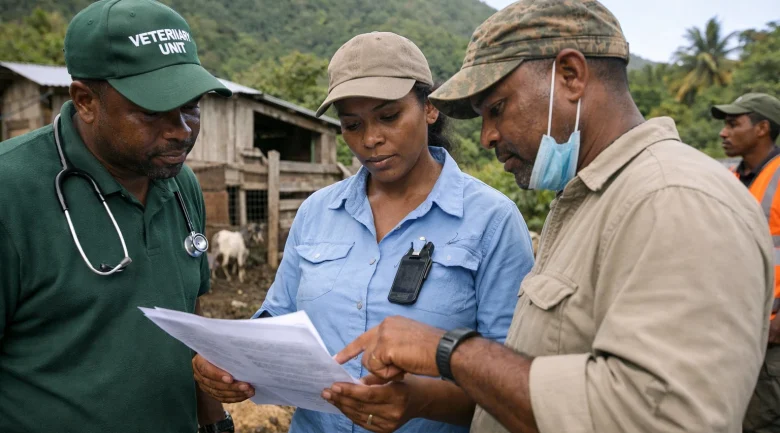
The Animals Diseases Act (Chapter 60:02) is the primary regulatory framework in Dominica dedicated to the prevention, control, and eradication of infectious and contagious diseases among livestock and other animals. As an island nation with a vital agricultural sector, Dominica utilizes this Act to safeguard public health, ensure food security, and protect the livelihoods of local farmers from the economic devastation caused by animal epidemics. The Act grants extensive powers to the Livestock Development & Veterinary Unit under the Ministry of Agriculture to monitor ports of entry and manage internal outbreaks.
Scope and Definitions
Under the Animals Diseases Act, the term animal is broadly defined to include cattle, sheep, goats, swine, horses, mules, asses, poultry, and even certain species of wild animals that may act as vectors for disease. The Act identifies specific notifiable diseases, such as Foot and Mouth Disease, Anthrax, Rabies, and Avian Influenza, which require immediate reporting to the authorities upon discovery.
Powers of the Veterinary Officer
The administration of the Act is centered around the Chief Veterinary Officer (CVO) and authorized inspectors. These officials are granted significant legal authority to maintain biosecurity within Dominica, including:
- Entry and Inspection: The power to enter any land, holding, or vehicle to inspect animals suspected of being infected.
- Seizure and Detention: The authority to seize animals that have been moved in contravention of the Act or those showing symptoms of a prescribed disease.
- Quarantine Orders: The ability to declare a specific farm, district, or area as an infected area, restricting the movement of animals, carcasses, fodder, and litter in or out of the zone.
Importation and Border Control
To prevent the introduction of foreign animal diseases into Dominica, the Act strictly regulates the importation of animals and animal products.
- Permit Requirements: No animal may be imported into the state without a prior permit issued by the Ministry of Agriculture.
- Health Certification: Imported animals must be accompanied by an international health certificate from the exporting country, verifying they are free from contagious diseases.
- Quarantine Stations: The Act provides for the establishment of official quarantine stations where imported animals may be detained for observation for a specified period before being released to the owner.
Disease Outbreak Management
In the event of a confirmed outbreak within Dominica, the Act outlines rigorous protocols to contain the spread:
- Notification: Owners or persons in charge of an infected animal must immediately notify the nearest Police Station or Veterinary Officer.
- Isolation: Infected animals must be kept separate from healthy livestock to prevent cross-contamination.
- Compulsory Slaughter: If necessary to prevent a wider epidemic, the Minister has the power to order the slaughter of infected animals or those exposed to infection.
- Compensation: The Act provides for compensation to owners whose animals are slaughtered by the state, provided the owner has complied with the Act’s regulations.
Duties of Animal Owners
The legislation places a legal duty of care on livestock owners in Dominica. Failure to report a suspected disease, obstructing an inspector in the course of their duties, or moving animals out of a quarantined area constitutes a criminal offense. Penalties include fines and potential imprisonment, reflecting the high stakes of national biosecurity.
Sanitary and Phyto-Sanitary (SPS) Standards
The Animals Diseases Act ensures that Dominica remains compliant with international Sanitary and Phyto-Sanitary standards. This compliance is essential for the export of Dominican animal products to regional markets within CARICOM and further abroad, as it certifies that the nation maintains a robust surveillance and response system.


References
-
1.
Animals Diseases Act, Chapter 61:02 https://www.dominica.gov.dm/laws/chapters/chap61-02.pdf