

Volunteerism in Dominica
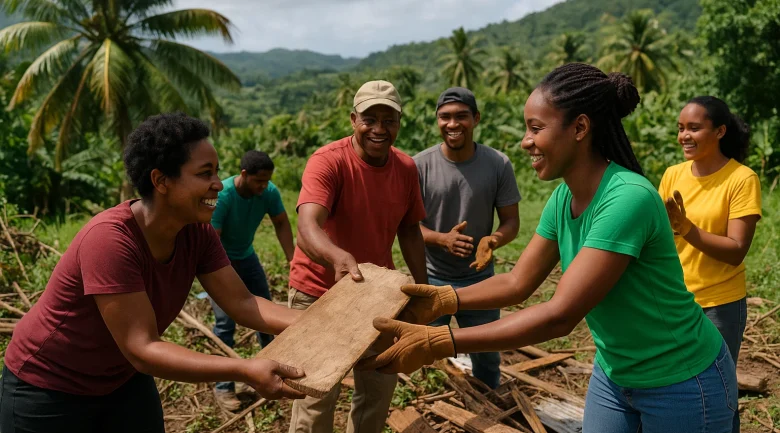
Volunteerism in Dominica plays a vital role in the island’s social, economic, and environmental development. Rooted in traditions of community solidarity and collective responsibility, volunteerism reflects the Dominican spirit of helping others, especially during times of crisis and recovery. From rebuilding homes after natural disasters to mentoring youth, protecting the environment, and supporting the elderly, volunteers form a backbone of national resilience and civic pride.
Cultural and Historical Context
The practice of volunteerism in Dominica predates modern institutions and is deeply embedded in community culture. Historically, rural communities operated through “koumbit” or “coudmen”, traditional systems of cooperative labour in which neighbours helped one another in farming, house building, or disaster recovery. This spirit of mutual aid, passed down through generations, became a defining feature of Dominican identity.
After independence in 1978, volunteerism took on a more organized form. Civic groups, church missions, and youth organizations expanded their outreach to complement government efforts in education, health, and community development. The Dominica Red Cross Society, Girl Guides Association, Dominica National Scout Organisation, and the Interact Clubs became key drivers of volunteer-based programs that taught leadership, compassion, and teamwork.
The culture of service grew stronger after major national events, particularly following Hurricane David (1979), Tropical Storm Erika (2015), and Hurricane Maria (2017). Each disaster revealed the limitations of formal systems and the strength of grassroots response. Volunteers, often young people, mobilized quickly to clean debris, distribute supplies, and rebuild homes, proving that civic spirit remains central to Dominica’s national resilience.
Modern Volunteer Networks and Organisations
Today, volunteerism thrives through structured programs coordinated by both government and non-governmental organisations. The Ministry of Youth Development and Empowerment oversees national volunteer initiatives that encourage civic participation among young people.
Key organizations and initiatives include:
- National Youth Council of Dominica (NYCD): Mobilizes youth for community projects, leadership training, and disaster recovery missions.
- Dominica Red Cross Society: Provides humanitarian assistance, emergency response, and first aid education.
- Volunteer Dominica: An umbrella platform connecting individuals and groups to service opportunities across sectors.
- Dominica Association of Persons with Disabilities (DAPD): Engages volunteers in advocacy, accessibility improvement, and peer mentoring.
- Service clubs and church groups: Rotary, Lions, Kiwanis, and parish-based groups regularly organize volunteer drives addressing poverty, education, and elderly care.
Educational institutions, such as the Dominica State College and secondary schools, have also integrated volunteerism into student life through community outreach programs, beach cleanups, and literacy projects.
Areas of Impact
In Dominica, volunteerism cuts across multiple sectors, reflecting the versatility of citizen participation in national life:
- Disaster Relief and Recovery: Volunteers form the first line of response in emergencies, helping distribute aid and provide emotional support.
- Environmental Conservation: Many youth groups engage in tree planting, river cleanups, and awareness campaigns to promote climate resilience and biodiversity protection.
- Health and Social Services: Volunteer caregivers support the elderly, the disabled, and vulnerable families through initiatives run by faith-based and civic organizations.
- Education and Mentorship: Retired teachers, community leaders, and youth volunteers provide tutoring, literacy support, and mentoring for students.
- Cultural Preservation: Volunteers assist in organizing events such as Creole in the Park, Heritage Day, and local festivals that celebrate Dominican identity and heritage.
Through these activities, volunteers help fill gaps left by limited resources and reinforce a sense of unity across communities and generations.
Challenges and Opportunities
Despite its strong cultural roots, modern volunteerism on the island faces challenges, including limited funding, burnout among core volunteers, and the need for greater coordination among organizations. The lack of a national volunteer registry or long-term incentive system sometimes hinders recognition of volunteers’ contributions.
However, new opportunities continue to emerge. The integration of volunteerism into national policy frameworks, collaboration with regional partners such as the Caribbean Youth Network, and the growth of digital platforms are expanding the reach of civic action. Government ministries now promote structured volunteerism through awards and formal recognition, including categories in the National Youth Awards for youth in community service.
The rise of eco-volunteering and disaster preparedness training also reflects Dominica’s focus on climate resilience and sustainable development. Local and international volunteers frequently join environmental projects in national parks and rural villages, combining service with education and tourism.
Legacy and Future of Volunteerism
Volunteerism remains a defining feature of Dominican society, a symbol of compassion and collective responsibility. Its continued success depends on nurturing this spirit among younger generations while providing training and institutional support to sustain long-term engagement.
As Dominica continues to pursue its goal of becoming the world’s first climate-resilient nation, the volunteer movement stands at the heart of that vision. Whether through youth-led initiatives, church missions, or professional volunteer networks, the island’s tradition of giving back ensures that national progress remains grounded in unity and human connection.


