

Poverty in Dominica
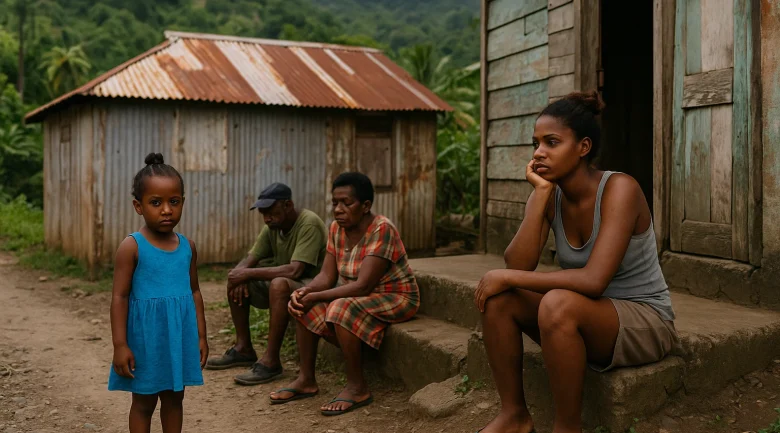
Poverty remains a central development challenge in Dominica, despite progress in social services and education. The island’s small size, limited economic diversification, and repeated exposure to natural disasters have created cycles of poverty that affect both urban and rural communities. Official surveys and international assessments show that while poverty levels have declined since the late 20th century, large segments of the population remain vulnerable to falling back into deprivation after hurricanes, global crises, or agricultural shocks.
Historical background and early experiences of Deprivation
The roots of poverty in Dominica are tied to the island’s colonial history. After the abolition of slavery in 1834, freed African-descended families often settled on marginal mountain lands. Without access to fertile plantations, credit, or infrastructure, they relied on subsistence farming and small-scale trading. Poverty in this period was not systematically measured, but travellers’ accounts describe poor housing conditions, minimal access to schools, and a high dependence on seasonal crops.
By the mid-20th century, poverty had declined somewhat with the rise of the banana industry, which became the backbone of rural income. Through preferential access to European markets under the Lomé Convention (1975), banana exports provided cash for thousands of small farmers. By the 1980s, Dominica’s GDP per capita had risen, and indicators of rural poverty had improved. However, the collapse of preferential trade in the 1990s reversed gains, leaving farming households particularly vulnerable. Entire communities in Saint Andrew Parish, Saint Patrick Parish, and Saint Joseph Parish faced declining incomes and higher unemployment.
Statistical evidence of poverty
The most detailed assessments of poverty in Dominica come from Country Poverty Assessment (CPA) surveys, supported by the Caribbean Development Bank (CDB).
- 2003 CPA:
- Found that 39% of the population lived below the poverty line.
- Around 15% were indigent, unable to meet minimum food needs.
- Rural poverty was almost twice that of urban poverty, reflecting the decline of agriculture.
- Female-headed households and large families were more likely to be poor.
- 2009 CPA:
- Poverty levels declined to 28.8%, indicating progress over the past 6 years.
- Indigence dropped to 11%, but remained concerning.
- Roughly 29% of children lived in poverty.
- The unemployment rate was 14%, with youth unemployment at 28%.
- The Gini coefficient, a measure of inequality, was 0.35, indicating moderate inequality.
- Post-Hurricane Maria (2017):
- Maria caused damages and losses equivalent to 226% of Dominica’s GDP.
- Over 90% of homes were damaged, many belonging to low-income households.
- The World Bank estimated that poverty temporarily rose by more than 10 percentage points, reversing much of the progress made since 2009.
- Indigent poverty is likely to have worsened in rural villages, especially Saint David Parish and Saint Patrick Parish.
- COVID-19 Pandemic (2020–2021):
- Tourism, which had been contributing 25% of GDP, collapsed due to border closures.
- Informal workers and small vendors were especially affected, with anecdotal reports of rising food insecurity in Roseau and Portsmouth.
- No official poverty assessment has been published since 2009, but government and international agencies acknowledge that both Maria and COVID-19 worsened deprivation.
Causes of poverty specific to Dominica
Several structural and external factors shape poverty trends on the island:
- Vulnerability to natural disasters: Dominica lies in the hurricane belt, and storms such as Hurricane David (1979), Tropical Storm Erika (2015), and Hurricane Maria (2017) have repeatedly caused widespread destruction.
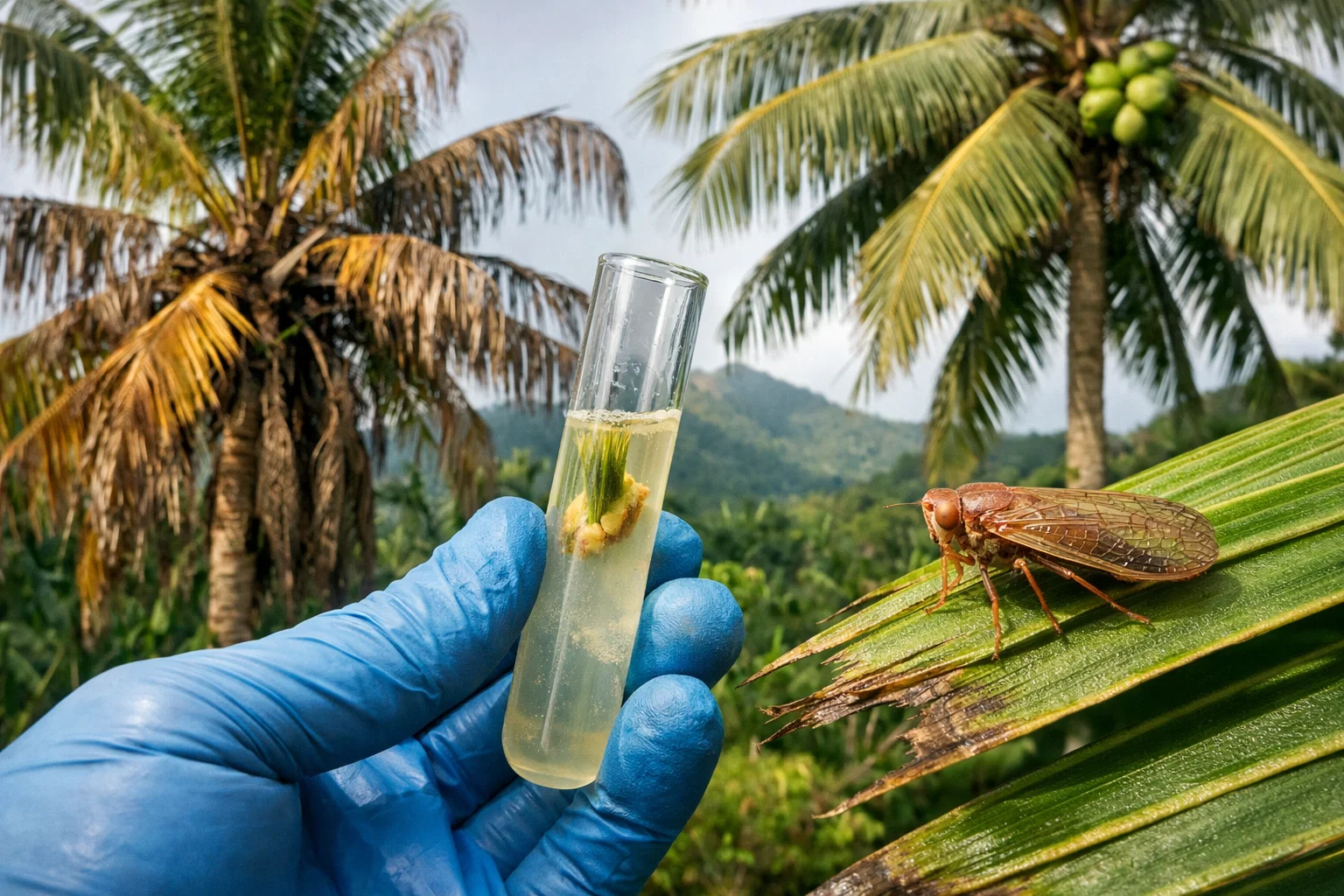
- Collapse of agriculture: Banana exports peaked in the 1980s, but fell from 70,000 tonnes in 1990 to less than 10,000 tonnes by 2010, leaving many farmers without a steady income.
- Youth unemployment: Rates have consistently hovered between 25-35% in official surveys.
- Geographic isolation: Steep terrain leaves communities like Delices, Petite Savanne (before its evacuation post-Erika), and Warner cut off from markets.
- Gender disparities: Female-headed households often earn less and face higher childcare burdens.
- Educational mismatch: While literacy is high (over 95%), many lack vocational training for emerging sectors such as ICT, construction, and renewable energy.
Social and economic effects of persistent poverty
- Education: Families living below the poverty line struggle to afford transportation, uniforms, or meals, resulting in absenteeism and dropout rates higher among poor households.
- Health: Malnutrition, chronic diseases, and delayed access to healthcare are more common among the poor. Hurricane-related housing damage also created long-term respiratory issues due to mould exposure.
- Housing insecurity: After Hurricane Maria, more than 27,000 homes were affected, with poor households unable to rebuild without external assistance.
- Crime and insecurity: Poverty and youth unemployment contribute to theft, drug use, and recruitment into gangs.
- Migration: Roughly 10% of Dominica’s population lives abroad, driven by economic hardship, creating brain drain.
Government programs and institutional responses
The Government of Dominica, in partnership with international donors, has introduced multiple programs to address poverty:
- Public Assistance Program: Provides monthly cash transfers to indigent households, supporting about 3,000 beneficiaries.
- Yes We Care Program (2009): Offers home-based support to elderly citizens living in poverty.
- National Employment Program (2013): Launched to provide temporary jobs for unemployed youth, often in public works or apprenticeships.
- Housing Recovery Project (2018–ongoing): Supported by the World Bank, aimed to build more than 1,000 climate-resilient homes for vulnerable households.
- TVET and skills training: Delivered through the Dominica TVET Council, expanding opportunities for youth in trades such as construction, hospitality, and electrical work.
- Small business support: Government micro-financing programs have reached hundreds of entrepreneurs, particularly women.
Community-level impacts of deprivation
- Rural depopulation: Young people leave villages for Roseau or emigrate, leaving ageing populations behind.
- Breakdown of traditional farming: Abandonment of banana farming reduces food security.
- Intergenerational poverty: Children growing up in poor households are more likely to remain poor, especially if dropout rates remain high.
- Village infrastructure gaps: Poorer areas report unreliable roads, water, and internet connectivity, affecting opportunities.
- Stigma and exclusion: Poverty is sometimes hidden but still stigmatised, particularly among children unable to participate in school or social events.
Strategies to reduce poverty and improve resilience
- Climate resilience investments: Strengthening homes, bridges, and utilities against hurricanes has become central to long-term poverty reduction.
- Agricultural diversification: Promoting cocoa, coffee, and root crops, alongside agro-processing, offers new income sources.
- Tourism development: Expansion of eco-lodges and community-based tourism in Kalinago Territory and northern villages creates local jobs.
- Green energy and geothermal energy: Projects in Laudat and Roseau Valley aim to reduce energy costs, freeing resources for households.
- Training and education reform: Emphasis on ICT, renewable energy, and vocational skills to align with modern job markets.
- Financial inclusion: Microfinance and cooperative credit help small businesses expand, particularly in rural areas.
- Social safety nets: Strengthening programs for children, the elderly, and persons with disabilities.
Regional and international perspectives
Poverty in Dominica is part of a regional pattern. The Caribbean Development Bank has warned that small island developing states are highly vulnerable to climate shocks, which can erase decades of development progress in a single event. OECS partners share similar struggles, leading to collective strategies on food security, vocational training, and disaster preparedness.
At the international level, Dominica aligns with the UN Sustainable Development Goals (SDGs), especially Goal 1: No Poverty. Reports to the UN highlight progress in education and social protection but note persistent vulnerability due to geography and climate.
Future outlook for poverty reduction
Dominica’s fight against poverty depends on reducing vulnerability and diversifying the economy. Achieving resilience requires balancing disaster preparedness with inclusive growth strategies. Investments in renewable energy, the international airport, and the blue economy may create new opportunities. Yet, without strong safety nets and educational reform, vulnerable families risk remaining trapped in cycles of deprivation. Progress is possible, but it requires sustained commitment across multiple sectors.


