


Hazard Analysis and Critical Control Points (HACCP)
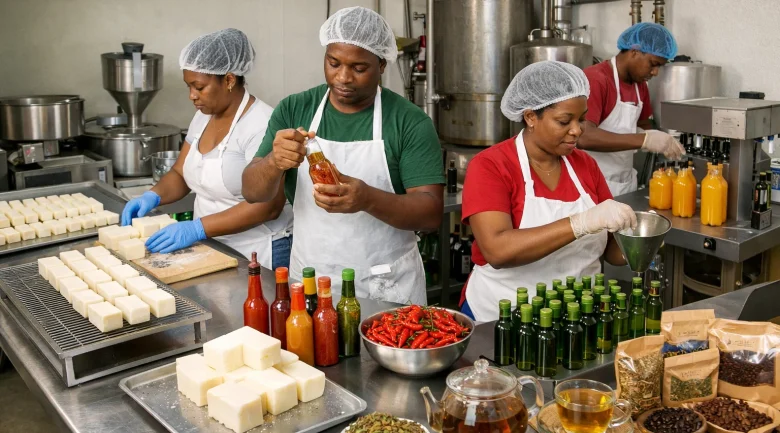
In the Commonwealth of Dominica, the implementation of Hazard Analysis and Critical Control Points (HACCP) serves as the primary gateway for a diverse range of manufactured and agricultural exports to enter the global market. While the island has historically relied heavily on raw agricultural exports, the current economic strategy emphasises value-added processing. Today, HACCP systems are used across various sectors, including coconut-based soaps, essential oils, pepper sauces, fruit juices, coffee, and herbal teas, ensuringthese products meet the stringent safety requirements of the United States, Canada, and the European Union.
The Role of Standardization and Legislation
The country’s food safety framework is grounded in several key pieces of legislation. The Standards Act of 1999 established the DBOS as the primary authority for maintaining quality in commodities and manufacturing processes. This was further strengthened by the Fresh Produce Export Quality Control Act of 2009, which introduced mandatory inspections and certifications for exporters. Today, the Environmental Coordinating Unit, operating under the Ministry of Environment, collaborates with the DBOS to enforce the Food Hygiene Regulations, ensuring that every step, from primary production to final consumption, is monitored for biological, chemical, and physical hazards.
HACCP Principles in Practice
Local manufacturers and beekeepers are encouraged to adopt the seven principles of HACCP to identify and control risks effectively:
- Hazard Analysis: Identifying potential contaminants in the production line.
- Critical Control Points (CCPs): Determining stages where control is vital to prevent hazards.
- Critical Limits: Establishing maximum or minimum values (e.g., moisture content in honey).
- Monitoring: Systematically observing CCPs.
- Corrective Actions: Procedures to follow when a limit is breached.
- Verification: Confirming the system is operating as intended.
- Documentation: Maintaining records of all food safety activities.
Regulatory Infrastructure and Oversight
The Dominica Bureau of Standards (DBOS), established under the Standards Act of 1999, is the lead agency responsible for promoting and enforcing quality standards. The Bureau operates the National Centre for Testing Excellence (NCTE), which provides testing, calibration, and certification services. For manufacturers, the path to HACCP certification often begins with Good Manufacturing Practices (GMP) and Dominica Good Agricultural Practices (DOM-GAP). These prerequisite programs address foundational safety issues like personal hygiene, pest control, and facility sanitation, creating the necessary environment for a successful HACCP plan.
For exporters, the Dominica Export Import Agency (DEXIA) serves as a facilitator, often highlighting the need for HACCP to bridge the gap between local production and international retail standards.
Key Manufacturing Sectors Utilizing HACCP
- Essential Oils and Cosmetics: The production of high-purity Bay Oil and its derivative cosmetics requires strict control of distillation temperatures and chemical purity to prevent contamination.
- Agro-Processing (Sauces and Spices): Pepper sauces (such as those from the iconic Bello brand) and ground spices like turmeric and ginger must undergo hazard analysis to prevent physical contaminants (glass/plastic) and biological risks like Salmonella.
- Beverages and Fruit Juices: The bottling of local fruit juices and the production of brewed beverages (like Kubuli beer) involve Critical Control Points during pasteurisation and sealing to ensure shelf stability and safety.
- Coconut and Soap Industry: Historically rooted in the Dominica Coconut Products (DCP) legacy, current manufacturers of coconut-based soaps and detergents utilise quality control systems to manage chemical ratios and ensure consumer safety.
The Multi-Purpose Agro-Processing Facility
Today, a major hub for safety compliance is the Multi-Purpose Agro-Processing Facility. This government-led initiative provides small-scale manufacturers with access to modern industrial equipment designed specifically to meet HACCP requirements. The facility supports several production lines, including fruit drying, purée extraction, and vacuum sealing, allowing local entrepreneurs to scale their businesses without the prohibitive capital costs of building their own HACCP-compliant factories.


References
-
1.
HACCP Certification in Dominica – Process and Importance https://qcert360.com/haccp-certification-in-dominica/
-
2.
Food Regulatory Bodies and Authorities in Dominica – Digicomply https://www.digicomply.com/food-regulatory-bodies-standards-and-authorities/dominica
- 3.