



Turmeric
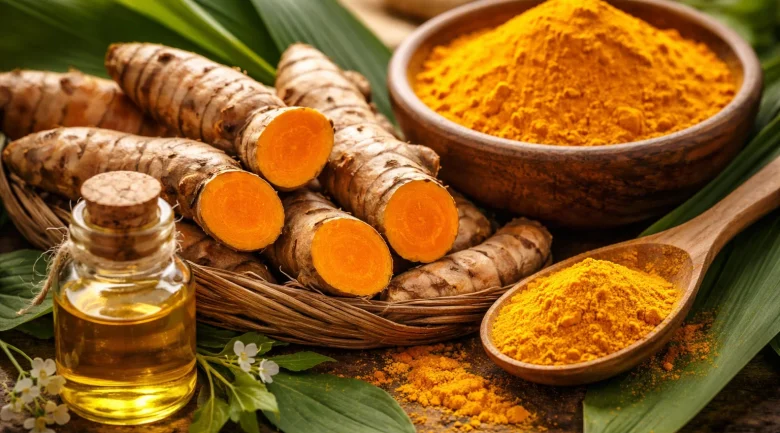
Turmeric (Curcuma longa) is a vibrant rhizomatous herb in Dominica that has become a staple of both the island’s traditional medicine and its culinary heritage. Known locally as Saffran (not to be confused with the more expensive Crocus sativus), it is a member of the Zingiberaceae (ginger) family. In the Dominican botanical system, Turmeric is highly regarded for its potent anti-inflammatory, antiseptic, and blood-cleansing properties, making it an essential component of local health tonics and botellas.
Botanical Profile and Cultivation
Turmeric thrives in the warm, humid climate and fertile volcanic soils of Dominica.
- Growth Habit: The plant features large, lush, lance-shaped green leaves that grow from a central stem. The medicinal part of the plant is the underground rhizome, which possesses a distinctive bright orange-yellow interior.
- Cultivation: It is widely grown in the more fertile agricultural regions in rural communities such as Marigot, the Kalinago Territory and the Layou Valley. It is a common fixture in lakou (backyard) gardens, as it requires relatively little maintenance once established in well-drained soil.
Primary Medicinal Applications
Dominican bush medicine utilizes Turmeric for a wide range of systemic and localized treatments, often focusing on its ability to cleanse the body.
Anti-Inflammatory and Joint Health
- Arthritis and Pain: Turmeric tea or Saffran water is a common remedy for elderly Dominicans suffering from joint pain and inflammation. It is believed to reduce swelling and improve mobility.
- Internal Injuries: It is often administered after physical trauma or surgeries to accelerate internal healing and reduce inflammation.
Digestive and Liver Health
- Detoxification: Turmeric is considered a primary liver tonic in Dominica. It is used to “cleanse the gall” and improve bile production, assisting in the digestion of fats.
- Gastrointestinal Relief: It is used to treat stomach ulcers and general indigestion, often combined with a small amount of black pepper to increase its potency.
Dermatological and Antiseptic Use
- Skin Conditions: A paste made from the freshly grated rhizome is applied topically to treat eczema, fungal infections, and heat rash.
- Wound Healing: Due to its antiseptic nature, it is used on minor cuts and abrasions to prevent infection and promote tissue repair.
Culinary and Economic Significance
Beyond its medicinal role, Turmeric is a defining characteristic of Dominican Creole cooking.
- Colour and Flavour: It is the primary ingredient that gives yellow rice, curries, and stews their characteristic golden hue.
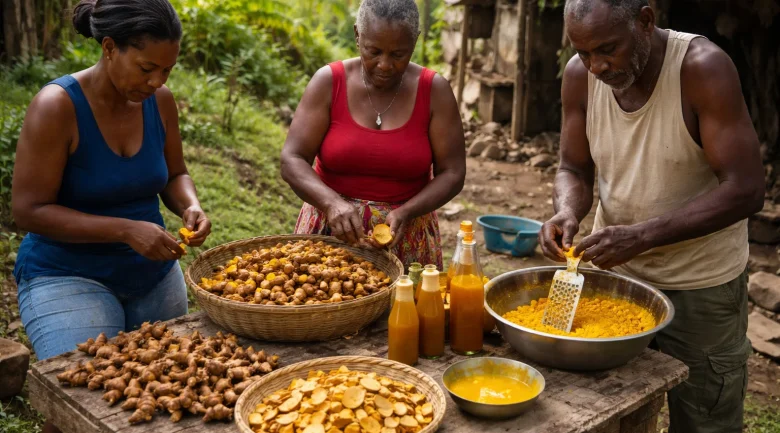
- Agro-Processing: Dominica has seen a rise in the production of value-added Turmeric products. Small-scale processors in areas like Cochrane and Giraudel produce high-quality Turmeric powders, capsules, and infused oils for both local consumption and the boutique export market.
Preparation and Administration
- Turmeric Tea: One small piece of fresh rhizome (crushed or sliced) is boiled in water for 10 minutes. It is frequently consumed with a squeeze of local lime or a dash of ginger.
- “The Golden Milk”: A modern adaptation of traditional use involves stirring grated Turmeric into warm coconut or cow’s milk with local honey.
- Topical Paste: The fresh root is grated and mixed with water or coconut oil to form a thick salve for skin applications.


References
-
1.
Turmeric Powder & Root Supplier for Dominica https://www.misefa.com/supplier/turmeric/dominica.html
- 2.
-
3.
Leading Supplier of Premium Turmeric in dominica https://www.royaldivineproducts.com/turmeric-spices-supplier-in-dominica.php
-
4.
Dominica Turmeric (curcuma) imports by country in 2022 https://wits.worldbank.org/trade/comtrade/en/country/DMA/year/2022/tradeflow/Imports/partner/ALL/product/091030
-
5.
Sure LifeSava - Creole Seasonings https://www.facebook.com/p/Sure-LifeSava-Creole-Seasonings-100060847911774/