



Breadfruit Leaf
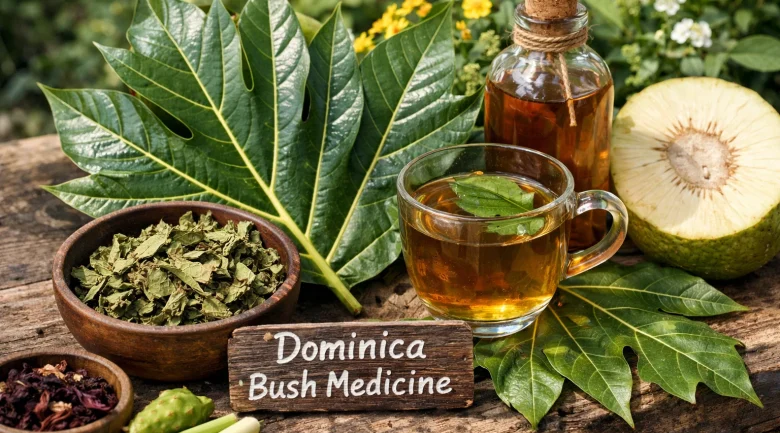
Breadfruit leaf (Artocarpus altilis) in Dominica is a fundamental component of the island’s traditional herbal pharmacopoeia. While the fruit itself is a staple food source across the Nature Isle, the large, deeply lobed leaves of the breadfruit tree are specifically valued for their medicinal properties. In the Dominican herbal medicine tradition, the breadfruit leaf is classified as a cooling herb and is most widely recognised for its efficacy in managing cardiovascular health and inflammatory conditions.
Botanical Profile and Harvesting
The breadfruit grows abundantly throughout Dominica, from the coastal plains to the higher elevations of the interior rainforest. For medicinal herbal use, the leaves are typically harvested according to their condition:
- Fresh Green Leaves: Used primarily for topical applications and certain types of infusions.
- Yellow/Falling Leaves: Preferred by many traditional practitioners for internal consumption (teas), as it is believed the medicinal compounds are more concentrated when the leaf is naturally transitioning to drop from the tree.
Primary Medicinal Applications
In the Dominican context, breadfruit leaf is utilized for several specific health concerns:
Cardiovascular Management
- Hypertension (High Blood Pressure): The most common use for breadfruit leaf tea in Dominica is to cool the blood and lower blood pressure. It is often prepared as a mild decoction and consumed regularly by those with chronic hypertension.
- Cholesterol: Local anecdotal evidence and traditional practice suggest that regular consumption of the tea assists in managing lipid levels.
Renal and Metabolic Health
- Kidney Health: The tea is frequently used as a diuretic to support kidney function and treat minor urinary tract irritations.
- Diabetes: It is sometimes used as a secondary herbal support to help stabilise blood sugar levels, though often in conjunction with other bitter herbs.
Topical and External Uses
- Headaches: A fresh breadfruit leaf is often dampened and tied around the forehead as a cooling compress to relieve migraines or tension headaches.
- Skin Irritations: Crushed leaves or the milky sap (latex) from the leaf stem may be applied to minor skin abrasions or fungal infections, though the sap is used with caution due to its sticky consistency.
Preparation and Administration
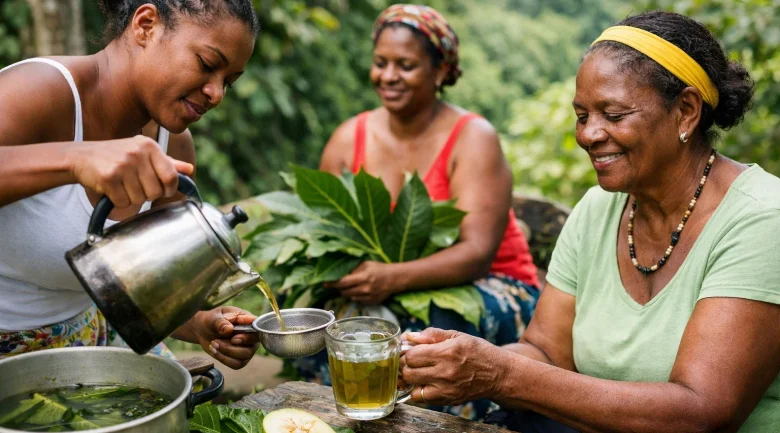
- Bush Tea: One large leaf (or a portion of it) is typically boiled in approximately three to four cups of water for 5 to 10 minutes. The resulting liquid is strained and consumed either warm or at room temperature.
- Dosing: In Dominica, it is common to drink one cup of breadfruit leaf tea daily for a period of nine days (a nine-day cool-down) before resting the body from the treatment.


References
-
1.
FST talks medicinal properties of the breadfruit https://www.mona.uwi.edu/fst/fst-talks-medicinal-properties-breadfruit
-
2.
Quintessential Resilience: The Breadfruit in the Caribbean https://daily.jstor.org/quintessential-resilience-the-breadfruit-in-the-caribbean/
-
3.
The incredible edible & medicinal breadfruit! https://naturespharmacy.substack.com/p/the-incredible-edible-and-medicinal