


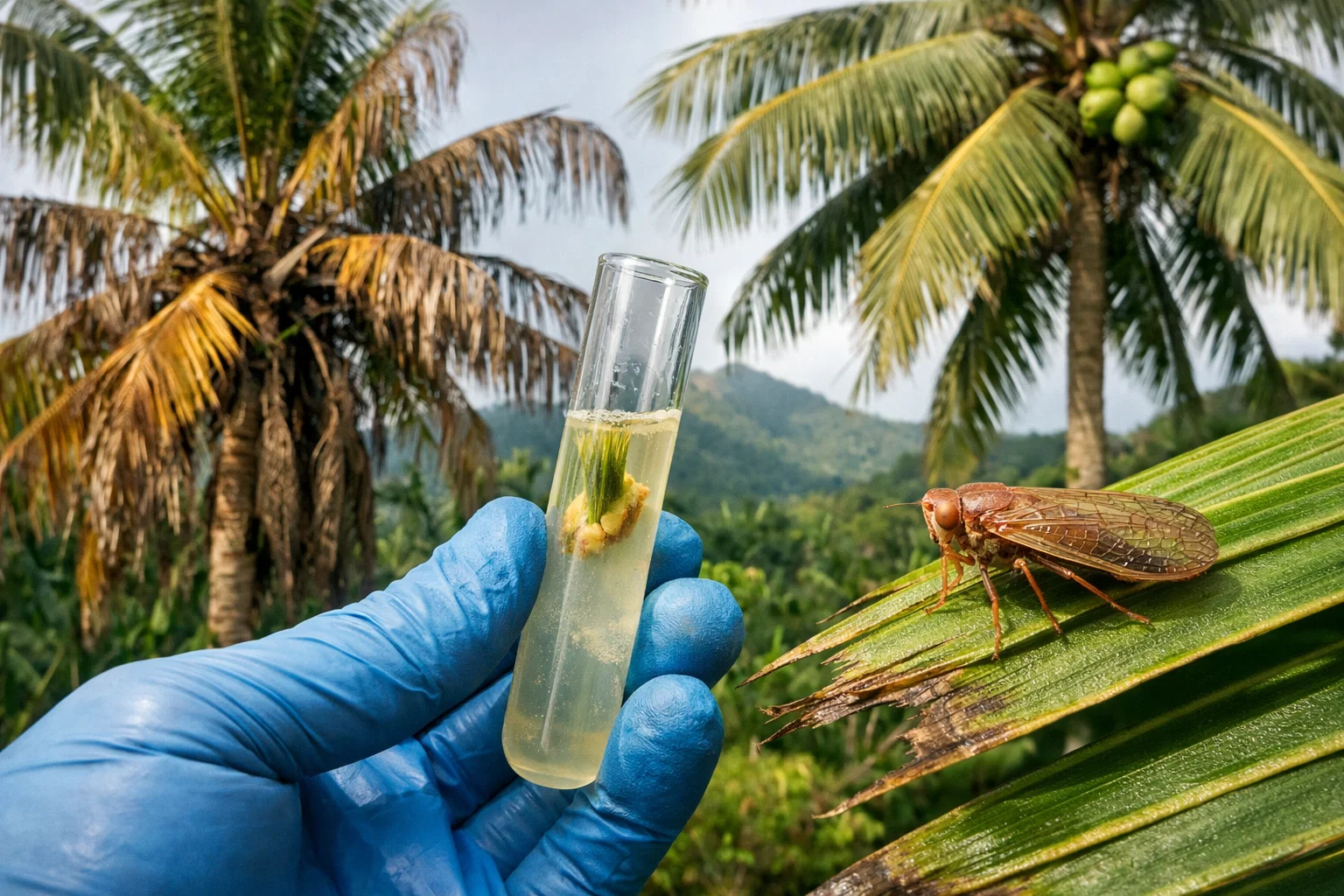

Citrus Tristeza Virus (CTV)
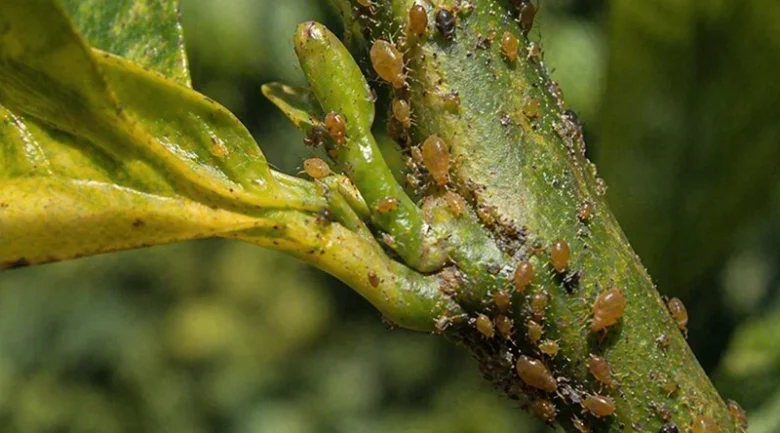
Citrus Tristeza Virus (CTV) is one of the most economically damaging viral diseases affecting the citrus industry in Dominica. Caused by a virus in the genus Closterovirus, it is primarily transmitted by the Brown Citrus Aphid (Toxoptera citricida). The name “Tristeza”, Portuguese for “sadness”, refers to the devastating, quick decline that infected trees exhibit, often leading to total orchard collapse. In the national context of Dominica, CTV has historically shaped the agricultural landscape by forcing a shift away from susceptible rootstocks, such as Sour Orange, toward more tolerant varieties to protect the island’s lime, grapefruit, and orange industries.
History and Prevalence in Dominica
Citrus Tristeza Virus has been a persistent threat to Dominica’s citrus fruits for decades. While the virus itself has different strains, ranging from mild to highly virulent, its impact became significantly more pronounced with the arrival and establishment of the Brown Citrus Aphid in the Caribbean during the late 20th century.
Impact of Rootstocks
Historically, many of Dominica’s citrus trees were grafted onto Sour Orange (Citrus aurantium) rootstocks because of their hardiness and suitability for the island’s fertile volcanic soils. However, the combination of CTV and Sour Orange rootstock is lethal. This vulnerability led to widespread tree losses in traditional citrus-growing regions like the Layou Valley and Gommier. Today, the presence of CTV remains a constant factor in the Ministry of Agriculture‘s replanting and nursery certification programs.
Transmission and the Vector
The spread of CTV in Dominica is a two-fold process involving biological vectors and human activity.
The Brown Citrus Aphid (Toxoptera citricida)
The most efficient vector of CTV is the Brown Citrus Aphid. This insect is highly prevalent in Dominica’s humid, tropical environment.
- Efficiency: Unlike other aphid species, the Brown Citrus Aphid can acquire the virus after only a few minutes of feeding on an infected tree and transmit it immediately to a healthy one.
- Reproduction: In the absence of cold winters, these aphids reproduce year-round in Dominica, with populations peaking during the flushing periods when trees produce new, succulent leaves.
Human-Assisted Spread
The movement of infected budwood or uncertified nursery grafts by farmers is a major secondary cause of spread. The Plant Protection and Quarantine Act regulates this movement to prevent the introduction of more virulent stem-pitting strains into previously unaffected areas.
Symptoms and Disease Expressions
In Dominica, CTV manifests in three primary ways depending on the virus strain, the citrus variety, and the rootstock used.
Quick Decline
This is the most dramatic form of the disease. Trees grafted on Sour Orange rootstock may appear healthy one week and show sudden wilting, leaf yellowing, and death within a few months. This is caused by the virus killing the phloem at the graft union, effectively girdling the tree.
Stem Pitting
Some strains of CTV cause stem pitting regardless of the rootstock.
- Detection: If the bark is peeled back, the wood underneath shows depressions or pits.
- Impact: This weakens the tree’s structural integrity, reduces fruit size, and eventually leads to a decline in yield. This is particularly problematic for Grapefruit and West Indian Lime production in Dominica.
Vein Clearing and Leaf Cupping
In young leaves, mild strains may cause vein clearing (where veins appear translucent) or a slight cupping of the leaves. While less lethal than quick decline, these symptoms indicate the virus is present and systemic within the orchard.
Management and Control Strategies
Because there is no cure for a virus once a tree is infected, the Division of Agriculture focuses on exclusion and tolerance.
Rootstock Diversification
The primary defense in Dominica is the use of CTV-tolerant rootstocks. Farmers are encouraged to use:
- Carrizo Citrange
- Swingle Citrumelo
- Cleopatra MandarinThese rootstocks allow the tree to live and produce fruit even if the virus is present in the canopy.
Clean Seedling Program
The National Citrus Certification Program ensures that all budwood used for grafting is tested and found free of virulent CTV strains. These clean plants are grown in insect-proof screenhouses to prevent early infection by aphids.
Vector Suppression
While total eradication of aphids is impossible in Dominica’s ecosystem, integrated pest management (IPM) is used to suppress populations:
- Biological Control: Native predators like ladybird beetles and lacewings are encouraged.
- Chemical Sprays: Targeted use of oils or systemic insecticides during major flushing events to reduce aphid numbers.
Institutional Framework
| Organization | Role in CTV Management |
| Plant Protection and Quarantine Unit | Diagnostic testing (ELISA or PCR) and nursery inspections. |
| Extension Services | Advising farmers on rootstock selection for specific soil types. |
| Pesticides Control Board | Regulating aphid control chemicals for environmental safety. |
| CARDI | Collaborating on the introduction of new, virus-resistant citrus hybrids. |


References
-
1.
Finance minister talks agricultural investment; disease-free citrus stock and medical cannabis industry https://dominicanewsonline.com/news/homepage/homepage-carousel/finance-minister-talks-agricultural-investment-disease-free-citrus-stock-and-medical-cannabis-industry/
-
2.
Viral Threats to Fruit and Vegetable Crops in the Caribbean https://pmc.ncbi.nlm.nih.gov/articles/PMC11053604/
-
3.
Citrus Tristeza Virus https://www.sciencedirect.com/topics/immunology-and-microbiology/citrus-tristeza-virus
-
4.
Citrus Tristeza Virus: From Devastating Epidemics to Effective Management in Citrus-Producing Regions Around the World https://apsjournals.apsnet.org/doi/10.1094/PDIS-08-25-1639-FE