


West Indian Lime
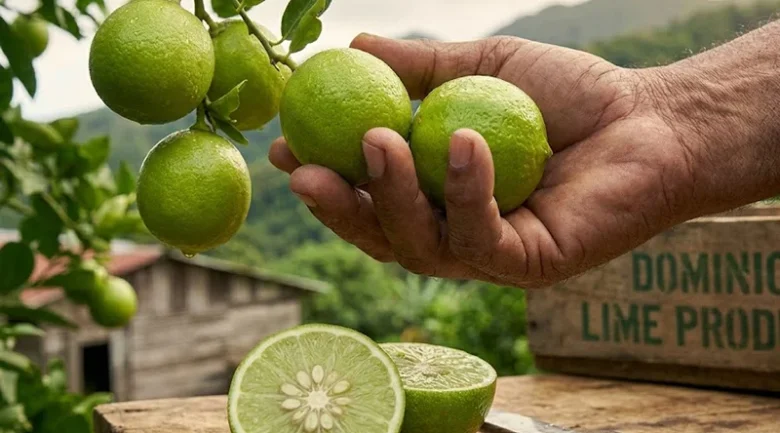
The West Indian Lime (frequently referred to as the Dominica Lime or simply lime) is a cornerstone of the island’s botanical and economic history. Small, thin-skinned, and intensely acidic, this citrus variety (Citrus aurantiifolia) is distinct from the larger, seedless Persian lime found in international markets. In the Commonwealth of Dominica, the lime is more than a fruit; it was once the foundation of a global export industry and remains an essential component of the national culinary and medicinal identity.
Botanical Profile and Characteristics
- Scientific Name: Citrus aurantiifolia
- Local Name: Lime / Sitwon (Kweyol)
- Physical Description: The fruit is typically small and globose, measuring 3 cm to 5 cm in diameter. It has a smooth, thin rind that turns from vibrant green to pale yellow when fully ripe. Unlike the Persian lime, the West Indian lime contains several small seeds and possesses a much higher concentration of citric acid and essential oils.
- Cultivation: The trees are small and shrub-like, protected by sharp spines. They thrive in the well-drained, fertile volcanic soils of Dominica’s leeward coast, particularly in the southern parishes.
Historical and Economic Legacy
The lime stands as an enduring symbol of Dominica’s colonial and industrial transformation. For decades, Dominica was the world’s leading producer of lime juice and lime oil.
- L. Rose & Company: In the late 19th and early 20th centuries, the L. Rose & Company established a dominant presence in Dominica, particularly in the Soufrière and Bath Estate areas. The company patented a method for preserving lime juice without alcohol, leading to the world-famous “Rose’s Lime Juice.”
- Industrial Peak: During this era, the lime industry surpassed sugar and cocoa in economic importance. Dominica’s lime oil was highly prized by international perfumeries and confectioners.
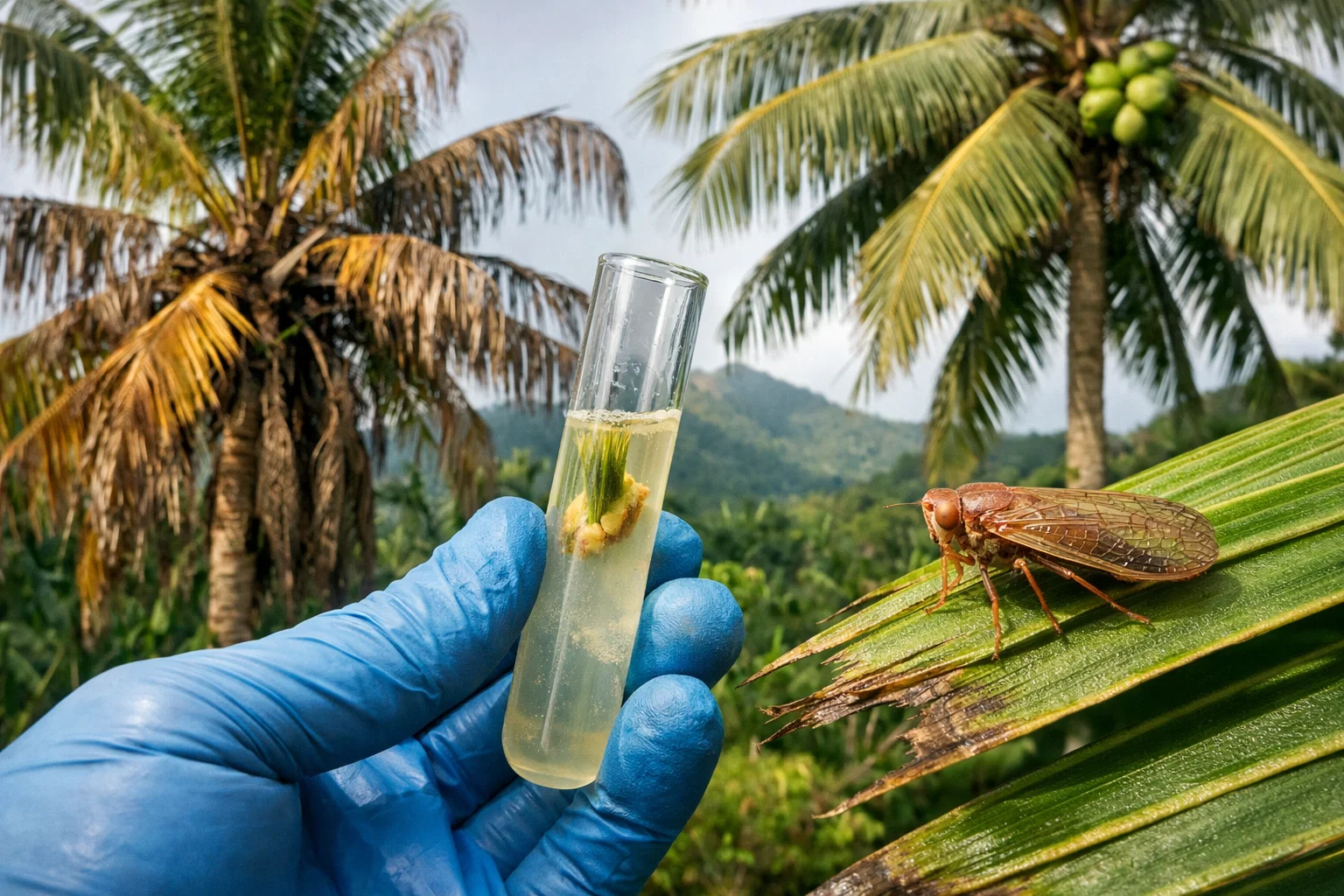
- Decline: The industry faced significant setbacks due to the wither-tip disease in the 1920s, the emergence of Citrus Tristeza Virus (CTV), and the devastation of successive hurricanes.
Culinary and Household Uses
In the Dominican home, the West Indian lime is considered a necessity rather than an optional ingredient.
- Food Sanitation: Like the sour orange, the lime is used to wash meat, poultry, and fish. Its high acidity is believed to cut the freshness (neutralize odors) and provide a preliminary layer of flavour.
- Beverages: The Lime Squash, a mixture of fresh lime juice, water, and cane sugar (often seasoned with a dash of Angostura bitters and nutmeg), is the quintessential Dominican refreshment.
- Preserves: Limes are often pickled in salt and sun-dried to create salted limes, used as a condiment or a base for traditional sauces.
Traditional Medicine (Bush Medicine)
The West Indian lime is a primary tool in Dominican “bush medicine.”
- Common Cold and Flu Season: A hot lime tea made from the juice and leaves is the standard home remedy for fevers and congestion.
- Topical Use: Sliced limes are often rubbed on the skin to treat insect bites or used as an astringent for oily skin.
- Digestive Relief: Lime juice mixed with a pinch of salt is a traditional remedy for nausea or an upset stomach.
Modern Agricultural Context and Recovery
The Government of Dominica, through the Ministry of Agriculture, Fisheries, Blue and Green Economy, is actively working to revitalise the lime sector.
- The Citrus Certification Facility in Londonderry: As part of the national citrus certification program, the facility at Londonderry produces disease-resistant West Indian lime seedlings. These are grafted onto sturdy rootstocks to protect against soil-borne pathogens and viruses.
- Market Opportunity: There is renewed focus on high-value exports of cold-pressed lime oil and gourmet dried lime products, targeting the Nature Island niche market.


