Chief Environmental Health Officer (CEHO) of Dominica
The Chief Environmental Health Officer (CEHO) of Dominica is a senior statutory official within the Ministry of Health, Wellness and Social Services, responsible for the administrative and technical leadership of the Environmental Health Unit (EHU). Operating under the legal authority of the Environmental Health Services Act of 1997, the CEHO serves as the nation’s primary regulator for any environmental factor that may impact human health. The CEHO coordinates a team of district officers to ensure that the “Nature Island” maintains rigorous sanitation and safety standards in both urban and rural communities.
The CEHO occupies a unique space in the Dominican civil service, acting as a bridge between clinical medicine and environmental engineering. While the Chief Medical Officer focuses on treating disease, the CEHO focuses on preventing disease through the management of physical, chemical, and biological factors. This includes the high-stakes task of vetting the environmental impact of major infrastructure projects, such as CBI-funded hotels or the Geothermal Power Plant, ensuring that sewage disposal and industrial emissions do not compromise the island’s pristine aquifers or marine ecosystems.
Core Statutory Responsibilities
The CEHO is empowered to regulate a wide array of public activities that intersect with the environment. These responsibilities are essential for maintaining the delicate balance between economic development and public safety.
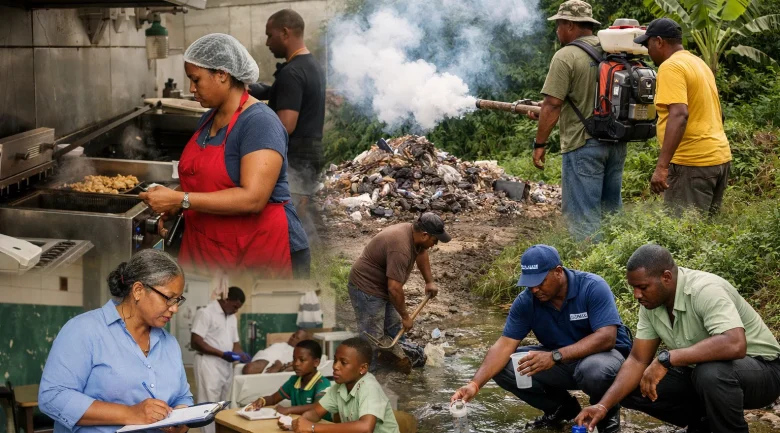
- Food Safety and Hygiene: The office is the final authority for the inspection and certification of all food-handling establishments. This includes the rigorous Food Handler’s Permit process and the inspection of kitchens for Carnival and the World Creole Music Festival.
- Vector Control: The CEHO directs the national strategy to suppress populations of Aedes aegypti mosquitoes and rodents. This involves both chemical fogging and enforcement of source reduction, in which property owners are legally required to remove potential breeding sites.
- Waste and Water Monitoring: In collaboration with the Dominica Solid Waste Management Corporation (DSWMC) and DOWASCO, the CEHO monitors the safety of the public water supply and ensures that solid waste disposal methods do not lead to groundwater contamination or pest infestations.
- Institutional Health: Periodic audits are conducted at schools, prisons, and hospitals to ensure that the living and working conditions meet the minimum requirements for ventilation, lighting, and sanitation.
Legislative Powers and Enforcement
The CEHO possesses significant legal “Special Powers” to protect the public interest. Under the Act, the CEHO or an authorised Environmental Health Officer has the Power of Entry, allowing them to enter any business premises at reasonable hours to conduct inspections without a warrant if a health risk is suspected. If a violation is found, such as improper drainage or a rodent infestation, the CEHO can issue a formal Abatement Notice. This legal document requires the owner to rectify the issue within a strict timeframe; failure to comply can result in immediate closure of the business or heavy fines levied through the court system.
Beyond enforcement, the CEHO plays a vital role in the national Disaster Resilience Strategy. In the immediate aftermath of a hurricane or flood, the CEHO coordinates emergency sanitation at shelters and implements rapid disease surveillance to prevent outbreaks of waterborne illnesses like Leptospirosis. This proactive stance ensures that the recovery phase is not hampered by secondary health crises.
Key Collaborative Partnerships
The effectiveness of the CEHO depends on seamless integration with regional and local agencies to maintain a unified front against environmental hazards.
- CARPHA (Caribbean Public Health Agency): The CEHO utilizes CARPHA for specialized laboratory analysis of toxins or pathogens that exceed the capabilities of local facilities.
- Physical Planning Division: All major building applications are reviewed by the CEHO to ensure that sewage and wastewater systems are climate-proofed and structurally sound.
- Local Village Councils: District officers work with local government to organize community clean-up days and educational town halls on sanitation.
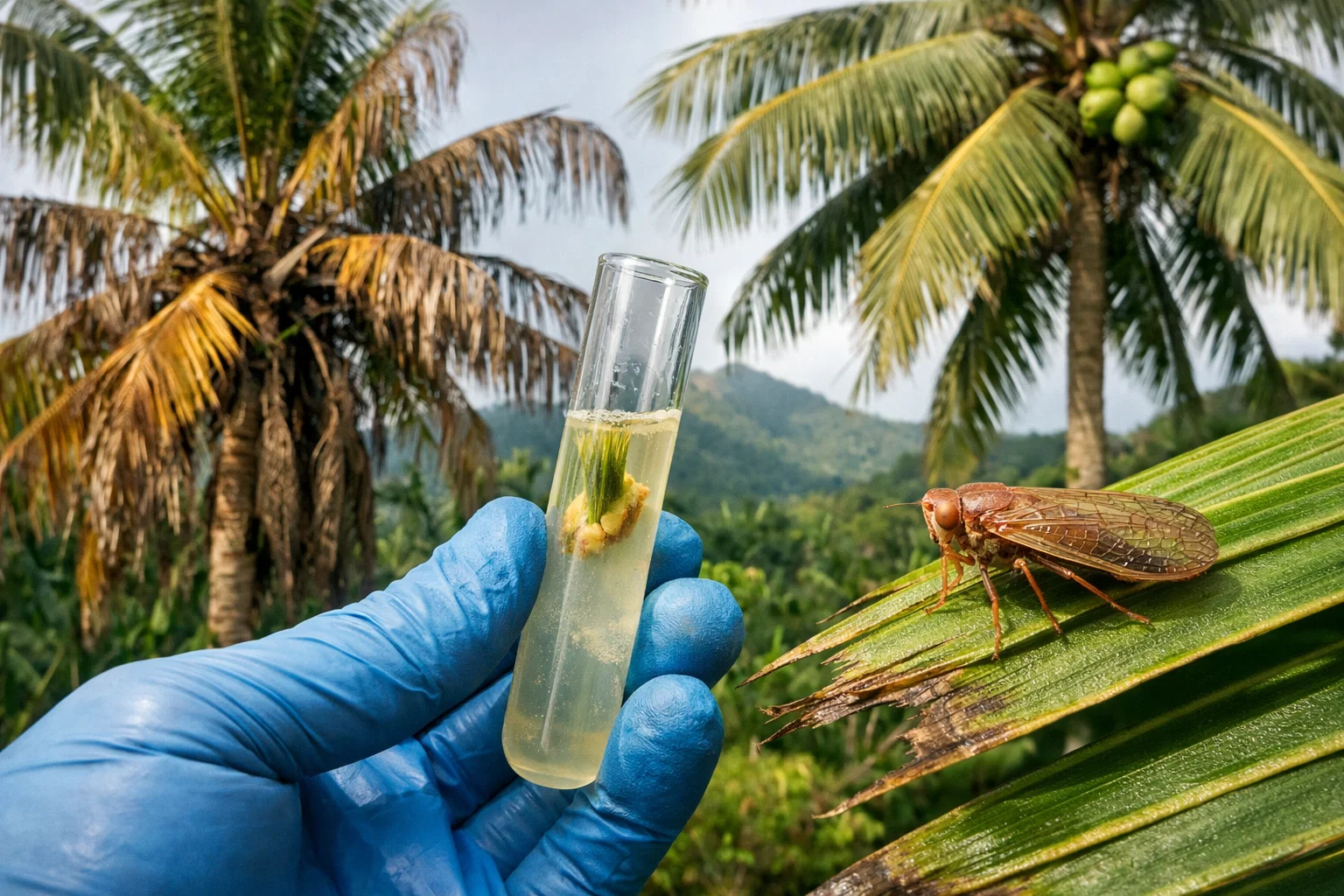
- OECS Health Unit: Participating in regional harmonization of health standards ensures that Dominican exports, such as those from the Coconut Industry, meet the sanitary requirements of the wider Caribbean.


