
Food Handler’s Permit in Dominica
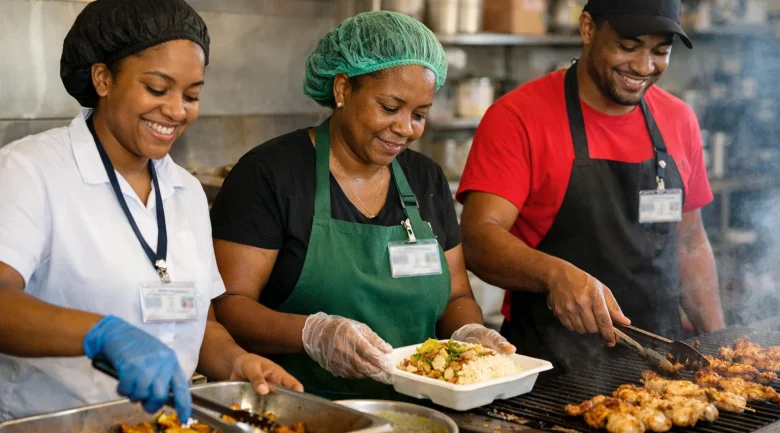
In Dominica, a Food Handler’s Permit is a mandatory legal certification required for any individual who professionally prepares, serves, or handles food and beverages. Issued by the Environmental Health Unit (EHU) under the direction of the Chief Environmental Health Officer (CEHO), this permit ensures that all personnel in the hospitality sector and agro-processing sector adhere to the strict sanitary standards established by the Environmental Health Services Act.
The permit serves as a frontline defense for public health, particularly during high-traffic periods such as Carnival or the World Creole Music Festival. By ensuring that vendors understand the science of cross-contamination and temperature control, the EHU mitigates the risk of foodborne illnesses, protecting both the local population and the island’s vital tourism sector.
The Certification Process
Obtaining a permit in Dominica is a multi-step process designed to verify both the physical health of the applicant and their knowledge of food safety protocols.
- Medical Examination: Applicants must undergo a physical check-up by a licensed medical practitioner. This typically includes blood tests or stool samples to screen for communicable diseases (such as Hepatitis A or Typhoid) that could be transmitted through food handling.
- Educational Training: All first-time applicants and those seeking renewals must attend a “Food Safety Training Session” conducted by Environmental Health Officers. These sessions cover the “Big Four” of food safety: personal hygiene, time-temperature control, cross-contamination prevention, and proper cleaning/sanitization.
- Application Submission: Following the medical clearance and training, applicants submit their medical form, two passport-sized photos, and the prescribed fee (usually around $20.00 to $30.00 XCD) to their local Health District office.
- Permit Issuance: Once approved, a physical ID card is issued. This permit is typically valid for one year and must be kept on the person or displayed at the place of work during all business hours.
Legal Enforcement and Workplace Standards
The CEHO and District Environmental Health Officers have the legal authority to conduct spot checks at any food establishment, from high-end resorts to roadside snackettes. During these inspections, the officer will demand to see the Food Handler’s Permits of every staff member present. If an employee is found handling food without a valid, up-to-date permit, the establishment can be issued an Abatement Notice, and the owner may face significant fines.
Beyond the permit itself, the EHU enforces Good Manufacturing Practices (GMP) in the workplace. This includes the requirement for proper headgear (hairnets), the absence of jewelry while prepping, the use of designated hand-washing stations, and the maintenance of Food Temperature Logs for high-risk items like meat and dairy.
Key Regulatory Requirements
The EHU maintains a specific set of criteria that every food handler must meet to maintain their certification and ensure the safety of the Dominican public.
- Valid Identification: The permit must be a current, government-issued photo ID card; expired permits are treated as non-existent in the eyes of the law.
- Reportable Illnesses: Handlers are legally obligated to report symptoms of diarrhea, vomiting, or skin infections to their supervisor and cease work immediately until cleared by a doctor.
- Sanitization Protocols: Knowledge of the Three-Sink Method (Wash, Rinse, Sanitize) for cleaning equipment is a mandatory requirement for all kitchen staff.
- Clothing Standards: Clean, light-colored aprons and protective footwear must be worn to prevent the accidental introduction of physical or biological contaminants into the food chain.


