




Category 5 Hurricane in Dominica
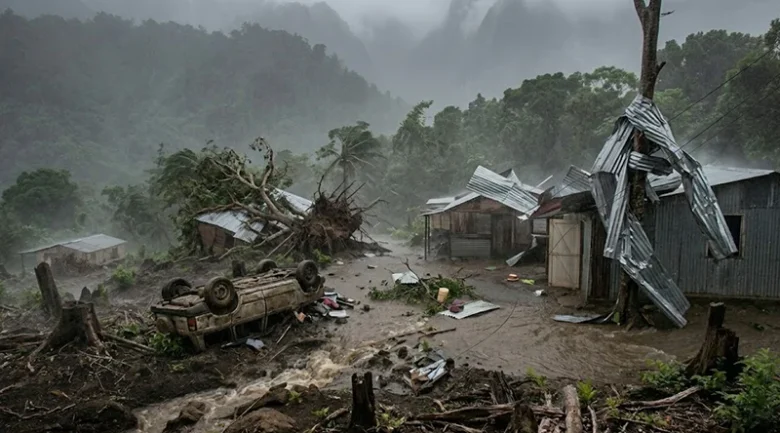
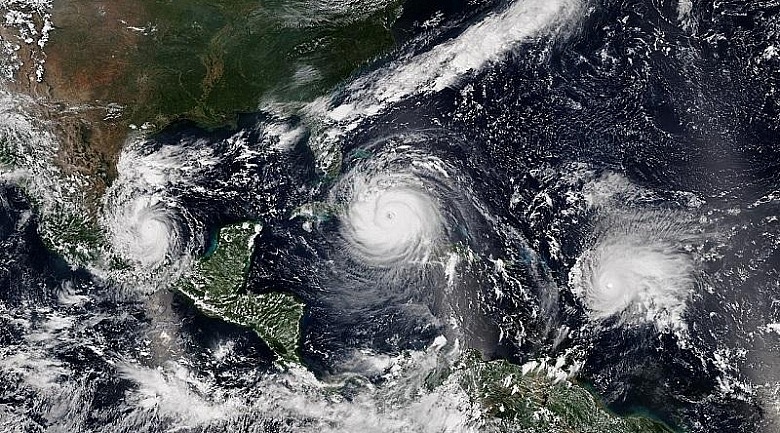
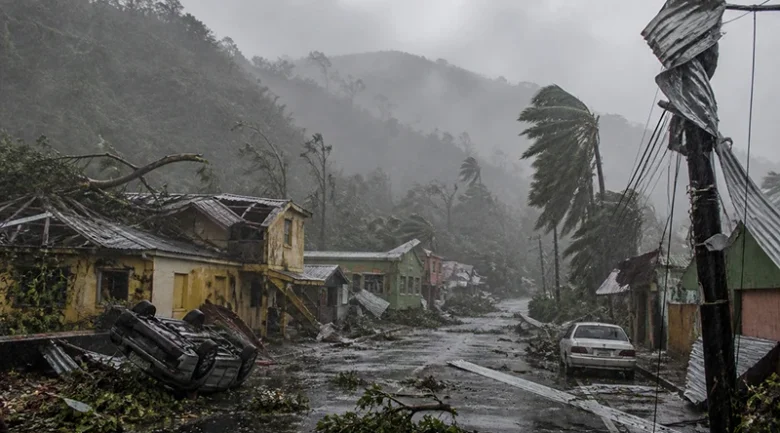
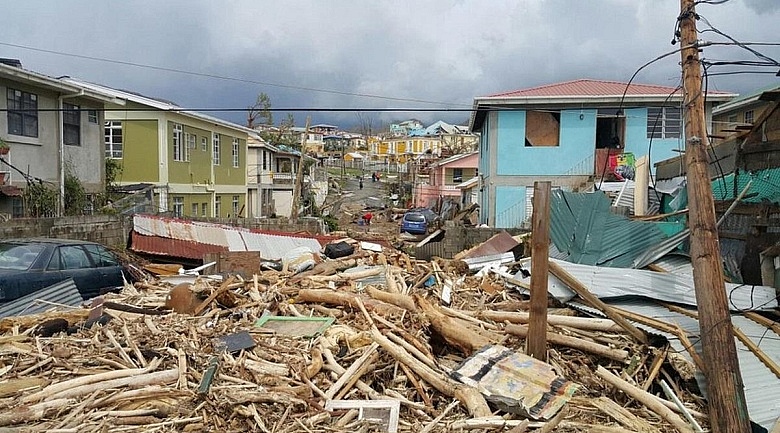
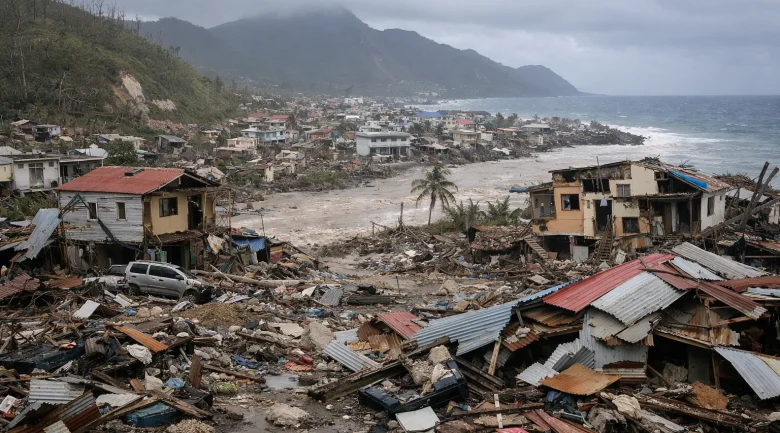
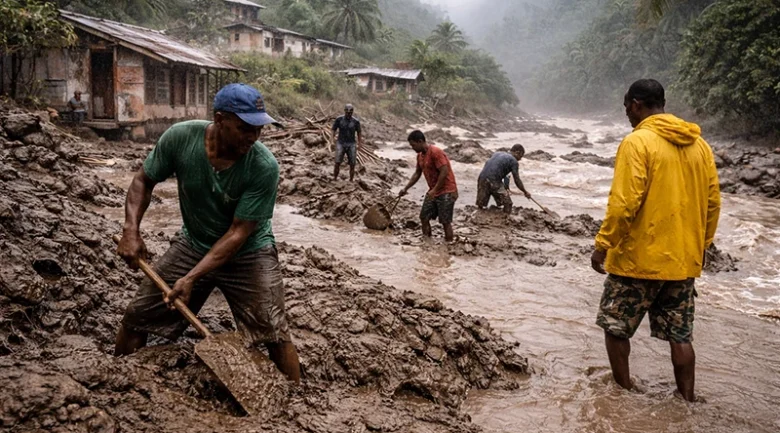
The impact of a Category 5 Hurricane in Dominica represents the most extreme meteorological challenge to the island’s ecology, infrastructure, and socio-economic stability. Under the Saffir-Simpson Hurricane Wind Scale, a Category 5 storm carries sustained winds exceeding 157 mph (252 km/h). In the history of Dominica, Hurricane Maria (2017) serves as the definitive reference point for the catastrophic shifts such an event causes within a volcanic, high-relief island system.
Atmospheric and Physical Dynamics
A Category 5 hurricane approaching Dominica is influenced by the island’s rugged topography. The steep volcanic peaks, such as Morne Diablotin and Morne Trois Pitons, create orographic lift, which can significantly increase rainfall intensity.
- Wind Extremes: At this intensity, the pressure gradient creates winds capable of total structural failure in non-reinforced buildings and complete deforestation.
- Storm Surge: Coastal communities, particularly those on the leeward coast like Roseau and Portsmouth, face surges that can exceed 10–15 feet, leading to massive coastal erosion and saltwater intrusion into freshwater aquifers.
Ecological Transformation and Recovery
The ecological impact of a Category 5 storm is profound and leads to a reset of forest successional stages:
- Deforestation: In 2017, it was estimated that 80–90% of the island’s canopy was stripped or downed. This loss of foliage eliminates the food source for Dominica’s endemic birds, such as the Sisserou Parrot and Jaco Parrot, often necessitating emergency supplemental feeding programs by the Forestry, Wildlife and Parks Division.
- Mass Wasting: The saturated volcanic soils on steep slopes invariably trigger thousands of landslides. These landslides strip away topsoil and alter the courses of major rivers within the Roseau River watershed and the Layou River watershed.
- Benthic Impact: Intense wave action destroys shallow-water coral reefs and seagrass beds, critical for the local artisanal fishing industry.
Infrastructure and Disaster Management
National response to a Category 5 event is coordinated by the Office of Disaster Management (ODM) under the Emergency Powers Act.
- Telecommunications and Power: Total grid collapse is expected. Post-2017, Dominica has focused on undergrounding key utility lines and decentralising the national power grid using micro-grids and geothermal energy to ensure faster recovery.
- Building Codes: Following Category 5 impacts, the Physical Planning Division has enforced stricter “build back better” protocols, requiring high-pitched roofs and reinforced concrete ring beams to mitigate wind uplift.
The Path to Climate Resilience
Dominica’s mandate to become the world’s first Climate Resilient Nation is a direct response to the threat of Category 5 hurricanes. This framework, which was the brainchild of the Climate Resilience Execution Agency for Dominica (CREAD) and detailed in the Climate Resilience and Recovery Plan (CRRP), focuses on:
- Resilient Infrastructure: Constructing bridges and roads capable of withstanding massive hydraulic loads and debris flows.
- Agricultural Diversification: Encouraging the planting of root crops and wind-resistant species to ensure food security immediately following a storm.
Historical Context
Before Hurricane Maria in 2017, the most significant Category 5 event pre-Maria in Dominica was Hurricane David (1979). These events are used by the Dominica Meteorological Service to model future risks and refine early warning systems, including localised Doppler radar and community-based sirens.


References
-
1.
The 2017 Hurricane Maria Case Study https://www.nhc.noaa.gov/data/tcr/AL152017_Maria.pdf
-
2.
Smart Health Care Facilities in the Caribbean: Final Report https://www.paho.org/sites/default/files/2023-09/paho-final-report-fcdo-smart-hospitals-project.pdf
-
3.
Morne Trois Pitons National Park - 2025 Conservation Outlook Assessment https://worldheritageoutlook.iucn.org/node/1081/pdf?year=2025
-
4.
Dominica Second Forest Reference Level Forest Reference Emissions Level 2018-2025 https://redd.unfccc.int/media/2024-dom-zero-frel-report-jan-8-2024.pdf