



Emergency Powers (Disaster) Act
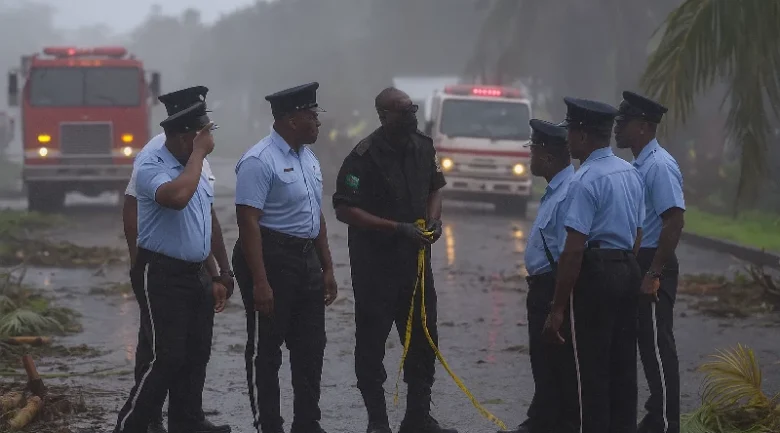
The Emergency Powers (Disaster) Act, also known as the Disaster Preparedness and Emergency Powers Act of 1987, grants the Government of Dominica extraordinary authority to act swiftly and lawfully in the face of serious threats such as hurricanes, flooding, epidemics, or other disasters. Formally cited as Chapter 15:03, this Act ensures public safety and welfare while embedding necessary legal oversight and accountability.
Definition and Proclamation of Emergency
Under Section 2, a “disaster” includes severe natural hazards and widespread emergencies. It triggers upon the President’s proclamation, published in the Dominica Gazette, confirming that a state of emergency exists or is imminent in Dominica or a specific region. Such a proclamation remains in effect for up to one month and can be renewed by Parliament.
Parliamentary Oversight
Once proclaimed, the government must notify Parliament immediately. If Parliament is not already in session, it must convene within five days to affirm or terminate the state of emergency.
Powers Granted Under the Act
Section 5 allows the President (or authorised official) to issue emergency orders necessary to:
- Requisition transport, supplies, or property
- Regulate prices and distribution of food, water, fuel, and essentials
- Enforce curfews and authorise entry onto private lands
- Demolish hazardous structures and manage corpses, bypassing typical procedures
- Provide fair compensation for requisitioned assets
These orders must be tabled in Parliament. If Parliament does not approve them within seven days, they expire.
Protection for Officials
Actions taken in good faith under the Act are immune to civil suits; Section 6 ensures that emergency responders and officials cannot be sued for declaring an emergency or executing necessary orders.
Integration with the National Disaster Plan
The National Disaster Plan (revised 2001) operationalises the Act’s legal tools through the National Emergency Planning Organisation (NEPO) and Office of Disaster Management (ODM). NEPO, under the Prime Minister’s leadership, oversees subcommittees focused on logistics, shelter, communication, and recovery. The Act provides the legal structure, while the Plan outlines the operational response procedures.
Coordination with International Assistance
Although the Act doesn’t explicitly address foreign relief, the National Disaster Plan establishes a Foreign Assistance Task Force, which includes ODM and the Ministry of Foreign Affairs to manage incoming aid. Guidance on international coordination is being strengthened via a draft Comprehensive Disaster Management (CDM) Bill, aligned with CDEMA and IFRC standards.
Operational History and Reforms
Dominica invoked the Act during Hurricane Maria (2017) and again during the COVID‑19 pandemic. Following Maria, evaluations noted:
- Delayed formal proclamations and reliance on ad hoc activation
- Complex coordination due to overlapping legal and institutional mandates
This sparked a push for reform, codifying activation criteria, formalizing ODM’s role, strengthening stockpiled legal tools, and introducing digital Emergency Operations Centers under the proposed CDM Bill.
Key Takeaways
- Legal backbone: Empowers emergency declarations, requisitioning, curfews, and property measures
- Oversight requirements: Parliamentary review within five days; emergency orders expire unless ratified within seven days
- Civil protections: Officials immune from suit when acting in good faith
- Operational bridge: Legal power is translated into action via NEPO and ODM
- International aid synergy: Evolving alignment with global and regional protocols


