

Are Promises Enough? The Uncertain Path to Electoral Reform
Mounting Pressure and Public Expectations
Dominica’s long-anticipated electoral reform process remains a national conversation with no clear finish line in sight. Despite the introduction of a new legislative framework in 2025, including the Registration of Electors Act and the House of Assembly Elections Act, many Dominicans continue to question whether these reforms will deliver on their promise of fairness and transparency.

The government has insisted that the reforms are a step forward. Prime Minister Roosevelt Skerrit expressed confidence that electoral reform would be completed before the next general election. But outside of official assurances, frustration simmers among voters, civil society groups, and members of the diaspora. Years of delays, missed opportunities, and shifting deadlines have fed a growing sense of skepticism. Many believe that technical legislation alone cannot resolve issues that are deeply rooted in political culture and administrative practice.
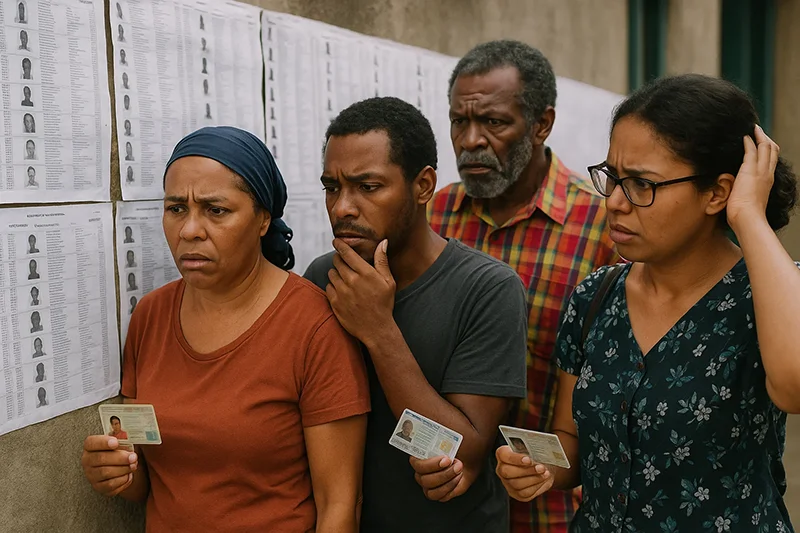
At the heart of this reform push is the hope for a more credible system, one that guarantees a clean voter list, ensures the proper issuance of voter ID cards, and introduces mechanisms for accountability and independent oversight. Yet, for a process as significant as electoral reform, public trust cannot be earned solely by passing laws. Implementation, monitoring, and transparency in execution are equally critical. Otherwise, promises begin to feel more like political strategies than democratic commitments.
The Electoral Commission’s Burden
One of the central institutions under the spotlight is the Electoral Commission. The newly enacted legislation gives the Commission greater statutory clarity and defines its powers with more precision. Yet the real challenge lies in whether it has the capacity, independence, and support to execute its mandate effectively.
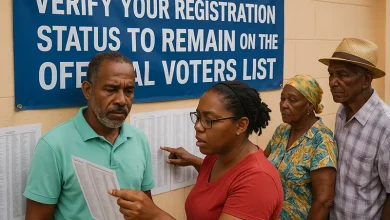
The Commission has urged citizens to confirm their registration status to remain on the voter list. But that task, in practice, is complicated by decades of underinvestment in electoral infrastructure and past criticisms of administrative inefficiency. Calls for voter re-registration, public education, and overseas voter regulations are legitimate concerns that the Commission must now address with urgency. Moreover, the lack of communication from the Commission in past years has harmed its credibility. Rebuilding public confidence will require consistent and transparent engagement with stakeholders, not just during election cycles, but as part of a continuous democratic culture.
Boycotts, Cynicism, and Political Gamesmanship
A shadow hangs over the entire reform effort: the political climate in which it is unfolding. Over the past several years, the opposition United Workers Party (UWP) and civil society advocates have raised red flags about electoral malpractices. Their critiques range from inflated voter lists and lack of campaign finance regulation to the unregulated use of state resources.
Some opposition members have boycotted elections or distanced themselves from bipartisan reform committees, citing distrust of the government’s intentions.
This ongoing divide has created a scenario where each side blames the other for the delay. As a result, meaningful collaboration, which is essential in institutional reform, is sidelined by public posturing.
The effect of this is widespread political cynicism. Many Dominicans are now caught in a cycle of apathy, where they no longer expect meaningful reform regardless of which party is in power. That is dangerous for democracy.
Electoral reform should never be reduced to a partisan issue; it is a civic one. And without broad-based engagement, the reforms may either falter in execution or fail to command legitimacy.
The Road Ahead: Trust, Not Just Text
Ultimately, electoral reform is about trust, not just legislative text. The laws passed this year may be robust on paper, but Dominicans will judge their effectiveness on whether they lead to free, fair, and transparent elections. This will depend on the actions of the Electoral Commission, the responsiveness of government institutions, and the willingness of political parties to treat democracy not as a means to power, but as a shared responsibility.
Civil society must also step into a more active role, pushing for oversight, participating in public education efforts, and demanding accountability in how the new laws are implemented. This includes clarifying rules around campaign financing, use of public media, and diaspora voting.
And while the third Electoral Commission Act passed in March may address the core governance structure, it must be evaluated not just by its form, but by its function. Will the Commission now operate independently and transparently? Will it resist political pressure? Will its decisions be seen as fair?
The path to electoral reform in Dominica is still uncertain. It requires more than promises. It requires political maturity, institutional commitment, and, most importantly, public vigilance. Only then will Dominica move from the politics of performance to the practice of democratic integrity.
This article is copyright © 2025 DOM767