


Titiwi (Titiri)
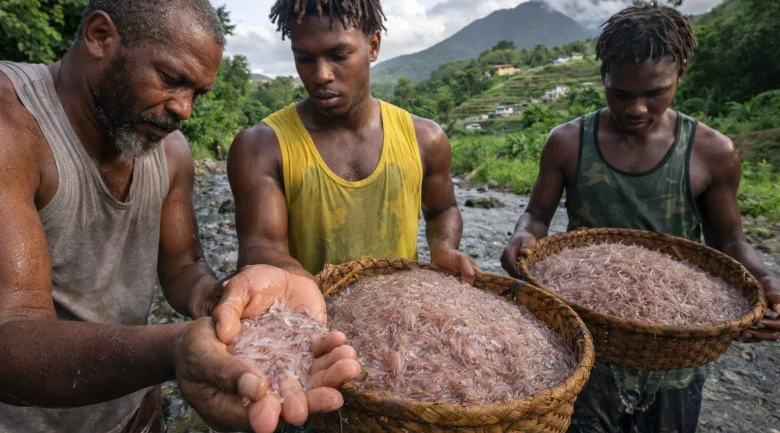
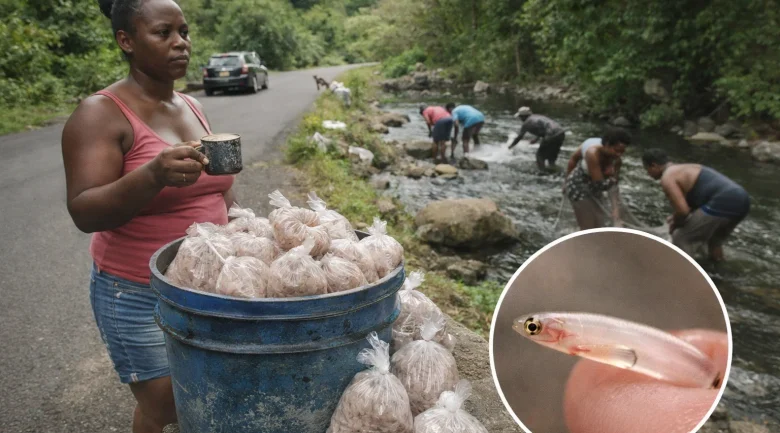
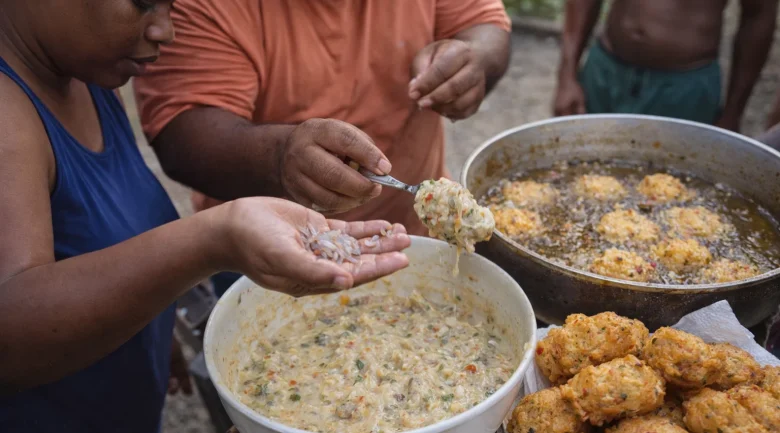
In the Commonwealth of Dominica, titiwi (or titiri) is more than a seasonal food source; it is a cornerstone of the island’s culinary heritage and a symbol of coastal communal life. The harvesting and preparation of these post-larval gobies (Sicydium punctatum) are deeply rhythmic processes, governed by the lunar cycle and passed down through generations of Dominican families.
Cultural Significance and the Titiwi Run
The arrival of titiwi at river mouths, known locally as a run, triggers a surge of social and economic activity. In communities such as Layou, St. Joseph, and those along the Roseau River, the harvest is a collective effort.
- Communal Harvesting: Villagers gather at the river’s edge with fine-mesh titiwi cloths or sheets. This shared activity reinforces community bonds and provides a vital source of protein and income.
- Market Traditions: In the Roseau Market, the sale of titiwi is a distinct cultural scene. The cup traditionally sells the fish, a standard unit of measurement using a small tin or plastic container, rather than by weight.
Traditional Preparation Methods
Dominican cuisine utilizes the unique texture of the titiwi, which is prized for its ability to absorb the flavors of local herbs and seasonings. Before cooking, the fish are thoroughly washed in lime or lemon juice and water to remove any river silt or salt.
Titiwi Accras (Fritters)
Titiwi Accras are the most popular way to consume titiwi in Dominica.
- Preparation: The titiwi are mixed into a thick batter consisting of flour, baking powder, and water.
- Seasoning: Essential ingredients include green seasoning (a blend of chives, thyme, and celery), minced garlic, onions, and finely chopped hot peppers (pimento or scotch bonnet).
- Cooking: Small spoonfuls of the batter are deep-fried until golden brown and crispy on the outside while remaining soft inside.
Titiwi Cakes
Similar to accras but with a different texture, titiwi cakes are pan-fried rather than deep-fried.
- Preparation: The batter is typically thicker and may contain more fish-to-flour ratio. They are flattened into patties and fried in a shallow pan with minimal oil.
Steamed or Stewed Titiwi
A more traditional and heartier preparation often served as a main meal.
- Method: The fish are simmered in a pot with coconut milk, turmeric (locally called safran), and butter.
- Accompaniments: This version is typically served with hard food or ground provisions, such as boiled green bananas, yams, dasheen, or dumplings.
Titiwi Soup
Though less common than accras, titiwi soup is a traditional heritage dish. It is a light, clear broth seasoned with local herbs and often thickened with small “spinners” (rolled flour dumplings).
Preservation and Modern Consumption
Because the titiwi run is seasonal and brief, various methods are used to preserve the catch:
- Salting: Historically, titiwi were salted and sun-dried for long-term storage.
- Freezing: Modern households and vendors in the Roseau Market now primarily use freezing to ensure titiwi is available outside of the lunar cycle.
Sustainability and the Future of Titiwi in Dominica
The titiwi remains a vital living link between Dominica’s pristine river systems and its coastal cultural identity. As a resource that is both biologically sensitive and economically significant, its future depends on the health of the island’s watersheds. The Ministry of Agriculture, Fisheries, Blue and Green Economy continues to emphasise the importance of maintaining clean riverways and adhering to sustainable harvesting practices, such as respecting mesh-size regulations to ensure that sufficient numbers of post-larvae reach maturity. By balancing traditional harvesting rights with modern environmental stewardship, Dominica ensures that the titiwi remains a centrepiece of the nation’s natural and culinary heritage for future generations.
