


Sextortion in Dominica
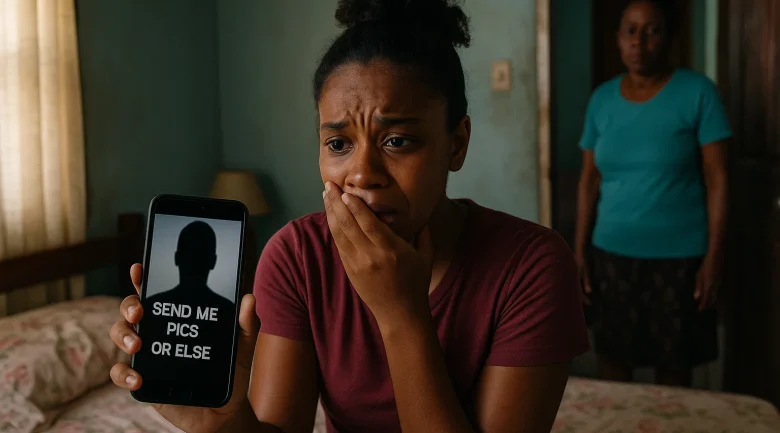
Sextortion in Dominica is an emerging form of exploitation where individuals, often young people, are coerced into providing sexual images, videos, or favours through threats, blackmail, or misuse of digital platforms. With the rise of smartphones, instant messaging, and social media, sextortion has become a concern for law enforcement, schools, and families, intersecting issues of cybercrime, child protection, and gender-based violence.
Historical background and awareness
Sextortion was largely unknown in Dominica prior to the rapid expansion of mobile and internet access in the 2010s. Early cases were treated as private scandals rather than crimes, with victims often blamed or silenced. By the mid-2010s, however, police and social workers began reporting incidents involving students and young adults who had been pressured into sharing intimate content. The shame and stigma surrounding sexuality in Dominica made victims reluctant to come forward, often allowing perpetrators to act with impunity.
International awareness campaigns by UNICEF and regional media highlighted sextortion as part of the wider category of online child exploitation, bringing the issue into Dominica’s public discourse. This shift encouraged the Ministry of Education, NGOs, and the Social Welfare Division to address sextortion as a serious offence with long-lasting psychological and social consequences.
Legal framework addressing sextortion
Several laws in Dominica apply directly or indirectly to sextortion:
- Electronic Crimes Bill (2013) – criminalises the distribution of intimate images without consent, cyberstalking, and online blackmail.
- Sexual Offences Act (Chapter 10:37) – addresses unlawful sexual acts, exploitation, and coercion.
- Protection of Children Act (2001) – safeguards minors against all forms of sexual exploitation, including online coercion.
- Children and Young Persons Act – provides additional protective measures for minors who are victims of abuse.
- Domestic Violence Act (Chapter 14:03) – extends protection orders to cases involving coercion or intimidation within families or intimate relationships.
These statutes enable the prosecution of offenders, though challenges remain in detecting crimes conducted anonymously online or across borders.
Institutional response and enforcement
Addressing sextortion involves multiple actors:
- Commonwealth of Dominica Police Force (CDPF), particularly the Child Protection Unit, investigates reports of sextortion and collaborates with regional partners when digital evidence crosses jurisdictions.
- Social Welfare Division offers counselling, safe housing, and protective measures for victims.
- Ministry of Education introduces digital literacy and awareness programs in schools to teach students about online risks.
- Judiciary of Dominica prosecutes sextortion cases under the relevant statutes, though backlogs and stigma often delay justice.
- NGOs like the Dominica National Council of Women (DNCW) advocate for victims and press for stronger preventative frameworks.
Social and cultural context
Cultural factors in Dominica both exacerbate and complicate the sextortion problem. In rural villages, the public shaming effect of leaked intimate images is amplified, often causing victims to withdraw from school or social life. Gender inequality heightens the risk, with women and girls disproportionately targeted, while male victims are less likely to report incidents due to stigma.
Reluctance to discuss sexuality openly contributes to underreporting. Victims may fear blame from parents or peers, while perpetrators exploit this silence to maintain control. Sextortion cases also intersect with migration, as Dominicans abroad sometimes target individuals on-island through online communication, complicating enforcement.
How sextortion typically occurs
- Online grooming: Offenders build trust before requesting intimate images.
- Blackmail: Threatening to share private content unless more material or money is provided.
- Impersonation: Fake accounts trick victims into revealing sensitive information.
- Peer exploitation: Students coercing classmates into sharing images.
- Cross-border targeting: Diaspora connections or international actors using Dominican victims for extortion.
Strategies to combat sextortion
- Public awareness: Campaigns teaching youth to recognize coercion and avoid risky online behaviour.
- School-based education: Incorporating digital safety into curricula.
- Hotline services: Confidential reporting channels for victims.
- Regional cooperation: Collaboration through CARICOM IMPACS and INTERPOL for cross-border cases.
- Judicial reform: Fast-tracking cases to prevent prolonged victimisation.
- Victim support: Counselling and reintegration for survivors facing stigma.
Impact of sextortion
Sextortion has profound effects on victims and society:
- Victims experience shame, depression, and sometimes suicidal thoughts.
- Educational progress is disrupted when young people withdraw from school.
- Families face strain and community judgment.
- Perceptions of online safety decline, undermining confidence in digital tools.
- Long-term trauma can affect employment, relationships, and self-esteem.
Dimensions Across Boundries
Sextortion in Dominica aligns with global patterns of online exploitation. The OECS Child Protection Policy Framework and UNICEF’s child online protection initiatives have supported awareness and training in Dominica. International conventions, such as the UN Convention on the Rights of the Child and its Optional Protocols, require the island to protect children from all forms of exploitation, including digital coercion.
Efforts to tackle sextortion in Dominica must continue to focus on prevention, enforcement, and cultural change. Strengthening cyber forensic capacity, empowering victims to report incidents, and addressing gender inequality will be essential. With digital technology continuing to expand, sextortion remains a pressing challenge that Dominica must confront through coordinated national, regional, and international action.


