


Sexual Offences Act (Chapter 10:37) of Dominica
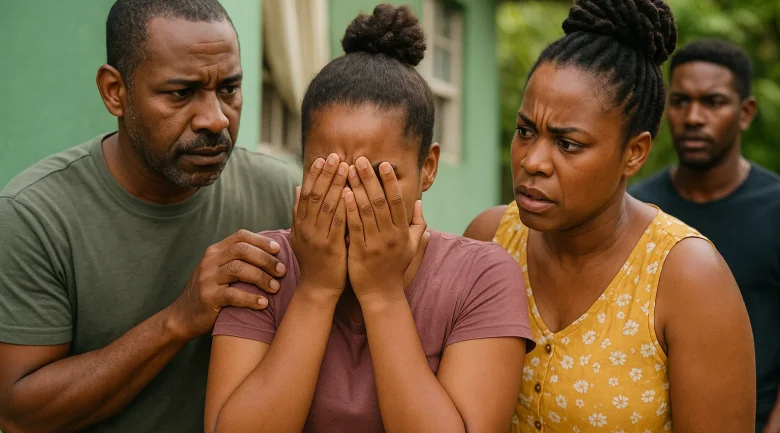
The Sexual Offences Act (Chapter 10:37) of Dominica is the principal statute criminalizing sexual violence, exploitation, and related offences on the island. Enacted in 1998 and amended several times since, the Act was introduced to modernize legal definitions of sexual crimes, expand protections for women and children, and bring Dominica’s laws into closer alignment with regional and international standards. It represents one of the most significant pieces of legislation in Dominica’s framework for addressing gender-based violence and protecting vulnerable persons.
Historical background and rationale for the Act
Before the passage of the Sexual Offences Act, sexual crimes in Dominica were largely governed by outdated provisions in the Criminal Code, some dating back to colonial times. These laws were criticized for vague definitions, narrow application, and insufficient protections for victims, especially children and women.
Regional developments in the 1990s, including reforms in Jamaica, Barbados, and Saint Lucia, encouraged Dominica to adopt a more comprehensive statute. Consultations with the Organisation of Eastern Caribbean States (OECS), women’s rights organizations, and legal experts shaped the 1998 Act. Its goal was not only to update definitions of rape and indecent assault but also to strengthen penalties, criminalize new forms of exploitation, and improve access to justice for victims.
Key provisions and offences defined in the Act
The Sexual Offences Act establishes a wide range of criminal offences, each with clearly defined elements and penalties:
- Rape: Defined as non-consensual sexual intercourse, with or without the use of force. Marital rape is recognized under certain circumstances. Penalty: up to life imprisonment.
- Unlawful sexual intercourse with minors: Criminalizes sexual activity with individuals under 16. Penalty: up to 25 years, depending on age and circumstances.
- Incest: Prohibits sexual relations between family members, whether consensual or not. Penalty: up to life imprisonment.
- Indecent assault: Covers unwanted sexual touching or conduct short of rape.
- Sexual harassment: Although not a standalone crime, certain sections penalize persistent sexual advances in workplaces or schools.
- Exploitation of persons with mental or physical disabilities: Recognizes consent limitations in cases involving vulnerable adults.
- Sexual grooming and child pornography: Added through later amendments, criminalizing the use of digital platforms and images for exploitation.
- Human trafficking for sexual purposes: Linked to the Counter-Trafficking Act, but referenced in this statute for sexual exploitation cases.
Penalties and sentencing under the Act
The Act prescribes some of the heaviest penalties in Dominican law, particularly for crimes involving children. Judges are granted discretion but are guided by aggravating factors such as use of violence, abuse of authority, or repeated offences. Life imprisonment remains the maximum penalty for rape, aggravated incest, and child sexual exploitation.
Mandatory minimum sentences were introduced in later amendments to prevent excessively lenient penalties, reflecting public concern over sexual crimes. In practice, sentencing balances deterrence, protection of society, and rehabilitation of offenders.
Institutional enforcement and victim support
Several agencies and institutions are tasked with implementing the Sexual Offences Act:
- Commonwealth of Dominica Police Force (CDPF) – investigates cases through its Child Protection Unit and Criminal Investigations Department.
- Director of Public Prosecutions (DPP) – oversees prosecutions in the High Court.
- Social Welfare Division – provides counselling, safe housing, and protective services for victims.
- Ministry of Health, Wellness and Social Services – ensures victims have access to medical care, forensic examinations, and psychological support.
- Judiciary of Dominica – interprets the Act, applies penalties, and adjudicates cases under strict evidentiary standards.
- NGOs such as the Dominica National Council of Women (DNCW) – advocate for survivors, push for legal reform, and support victims in navigating the justice system.
The Act also provides for protection orders, the protection of victims’ anonymity in court proceedings, and the removal of the accused from shared homes in domestic cases.
Connection to other Dominican statutes
The Sexual Offences Act operates within a larger legislative framework:
- Criminal Code of Dominica (1990) – defines related offences such as assault and harassment.
- Domestic Violence Act (Chapter 14:03) – complements the Sexual Offences Act by providing civil remedies such as restraining orders.
- Electronic Crimes Bill (2013) – criminalizes the digital distribution of intimate images and supports prosecutions of online exploitation.
- Protection of Children Act (2001) – strengthens the rights of minors and expands protections against abuse.
- Counter-Trafficking Act (2011) – works alongside the Sexual Offences Act in prosecuting sexual trafficking offences.
Social and cultural challenges in enforcement
- Stigma and silence: Victims often fear reporting crimes due to shame, family pressure, or community backlash.
- Delays in trials: Backlogs in the court system leave victims waiting years for justice.
- Limited forensic capacity: While police and hospitals conduct examinations, resource constraints sometimes weaken evidence collection.
- Gender inequality: Women and girls are disproportionately affected, but male victims often go unreported due to cultural stigma.
- Community attitudes: In rural communities, traditional views sometimes normalize or minimize abuse, discouraging victims from seeking help.
Strategic measures to improve implementation
- Public awareness campaigns: Programs in schools and media challenge stigma and promote reporting.
- Specialized police training: Officers trained in trauma-informed interviewing techniques.
- Fast-track courts for sexual offences: Proposed reforms to reduce case delays.
- Partnerships with regional bodies: OECS and CARICOM support Dominica with model legislation and capacity-building.
- Counselling and rehabilitation programs: For both victims and offenders, aiming to break cycles of abuse.
- Stronger digital protections: Needed as sextortion and online grooming grow more prevalent.
Regional and international perspectives
Dominica’s Sexual Offences Act aligns with broader regional reform efforts. OECS model laws guided its drafting, ensuring consistency across small states. CARICOM’s Gender Equality Programme and IMPACS initiatives support law enforcement training and data collection.
Internationally, Dominica is party to conventions such as the Convention on the Elimination of All Forms of Discrimination Against Women (CEDAW) and the UN Convention on the Rights of the Child (CRC), which require strong legal protections against sexual exploitation. Reports to treaty-monitoring bodies have highlighted progress in legislation but identified gaps in enforcement and victim services.
Future outlook for the Act
The Sexual Offences Act remains a cornerstone of Dominica’s human rights framework but requires continuous reform to meet emerging challenges. Lawmakers and advocates have called for:
- Expanding definitions of digital exploitation.
- Providing stronger witness protection.
- Increasing mandatory reporting obligations for teachers and health workers.
- Establishing specialized sexual offences courts.
As Dominica pursues its Vision 2030 sustainable development goals, strengthening the Sexual Offences Act and its enforcement will remain central to reducing gender-based violence and safeguarding vulnerable populations.


