



Drug Addiction in Dominica
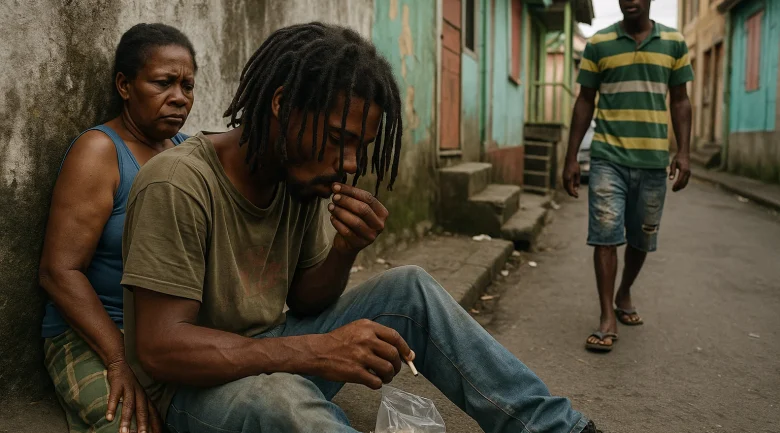
Drug addiction in Dominica is a public health and social challenge tied to geography, livelihoods, and shifting cultural attitudes. The island’s position on Eastern Caribbean maritime routes raises exposure to transhipment flows, which influence local availability and price. Within communities, substance misuse intersects with unemployment, school absenteeism, and household stress, appearing in hospital admissions, magistrates’ court dockets, and child-protection caseloads. While crack cocaine dependency remains relatively concentrated, alcohol harm is widespread and marijuana is the most commonly used illicit drug. Any sustainable response must therefore combine interdiction with early prevention, accessible treatment, and family support, while generating better data to steer policy. Regional and international partners already recognize these needs and track Dominica’s progress through periodic evaluations and health profiles.
Legal and Policy Setting
Dominica’s control framework centers on criminal law and international cooperation, complemented by health sector efforts to modernize mental health policy. The Organization of American States’ drug commission (CICAD) reports that Dominica maintains a national drug information network but lacks an early warning system for new psychoactive substances, highlighting the need to strengthen monitoring. Recent multilateral evaluations note gaps in chemical-control alignment and the continuing effort to standardize data across agencies.
On the health side, the Pan American Health Organization recorded national consultations in August 2025 to update mental health policy and legislation, a platform that can integrate substance-use services and referral pathways more explicitly than before. The psychiatric service anchored near Dominica China Friendship Hospital functions as the main acute setting for drug-related crises; earlier WHO-AIMS reporting documented a 40-bed unit handling hundreds of admissions annually, underscoring the pressure that substance-linked episodes place on limited beds.
Dominica’s broader epidemiological picture is influenced by youth behaviors. PAHO’s regional synthesis of Global School-based Student Health Survey results flagged Dominica among the highest rates of current alcohol use in adolescents in the Americas, an indicator that foreshadows adult harm without targeted prevention and family engagement. While national, up-to-date drug-use surveys remain limited, older health system profiles and school surveys consistently identify cannabis, crack cocaine, and alcohol as the core substances of concern.
Patterns, Harms, and Populations at Risk
Dominica’s substance-use patterns reflect availability, social norms, and economic stressors. Health workers and educators encounter three recurring drivers: early initiation among students, polydrug use that escalates risk-taking, and relapses linked to weak aftercare. The following signals from regional and national sources frame current risks and impacts.
- Alcohol dominates overall harm. Regional adolescent data list Dominica at roughly one in two students reporting current alcohol use, aligning with local observations of alcohol-related injuries, road trauma, and family conflict seen in emergency rooms and social services.
- Marijuana is the most used illicit drug. School and health profiles have long identified cannabis as prevalent among youth; heavy or early use is associated with school disengagement and acute psychiatric presentations that strain the limited inpatient capacity.
- Crack cocaine has a smaller base but outsized effects. Dependency clusters are linked to acquisitive crime, unstable housing, and complex comorbidities, complicating both case management and community safety. Local institutions named in Dominica’s Alcohol and Drug Information Network track these intersections across hospital, prison, police, and welfare data, though reporting remains uneven.
- Storm shocks increase vulnerability. Post-disaster signals include higher use of alcohol and tobacco after Hurricane Maria, pointing to stress-coping and supply-chain dynamics that public health must anticipate in resilience planning.
- Data gaps persist. CICAD notes that Dominica has not recently implemented SIDUC-style national drug-use studies, limiting precision on prevalence and trends; establishing routine indicators is a priority for targeting resources.
Current Responses and Service Gaps
Dominica’s ecosystem features law enforcement, health services, social welfare, and civil society, with coordination led by a small national unit. The National Drug Abuse Prevention Unit acts as the technical hub for prevention messaging and a conduit among ministries, providers, and communities, while the Drug Information Network links hospitals, prisons, police, and NGOs to share situational updates. These mechanisms exist, but evaluations repeatedly call for stronger analytics, wider training, and clearer pathways from court to care.
In practice, acute care for drug-related crises occurs at the psychiatric service adjoining Princess Margaret Hospital. Earlier WHO-AIMS findings described capacity constraints and the absence of specialized beds for adolescents or forensic patients, a pattern consistent with small island systems where inpatient units shoulder both acute mental illness and substance-induced episodes. Community counseling is available, but coverage is patchy, and referral follow-through falters without transport stipends or structured case management. The absence of a dedicated residential rehabilitation center means many individuals cycle from emergency stabilization back to the same triggers, a problem that PAHO’s ongoing policy consultations could help address by formalizing service models in new legislation and budgets.
Civil society and faith-based organizations fill critical trust gaps. Their groups deliver peer support, relapse-prevention meetings, and outreach in neighborhoods where stigma deters clinic attendance. Employers remain a largely untapped partner: small businesses, which dominate Dominica’s economy, need practical guidance on non-punitive referral and job-retention strategies that protect productivity while encouraging treatment, especially in retail, construction, transport, and tourism. Regional bodies highlight that program consistency, not one-off campaigns, is what changes outcomes over time.
Key assets and gaps to address
- Assets: An established Drug Information Network; a national prevention unit; engaged hospitals and social services; access to PAHO and CICAD technical support; active faith-based and NGO initiatives.
- Gaps: No early warning system for emerging substances; no residential rehabilitation facility; limited adolescent-specific beds; insufficient standardized screening and follow-up; irregular national surveys; and partial alignment with regional chemical-control standards.
Priorities for Action, 2025–2035
Build a phased national rehabilitation pathway. Start with a medically supervised detox and day-program track inside existing hospital infrastructure, then add a small residential wing for four-to-six-week stays. Pair clinical services with peer support and structured aftercare so people do not drop back into crisis immediately after discharge. Use PAHO’s current policy process to codify the model and secure line-item funding.
Standardize screening and brief intervention in primary healthcare. Equip clinics and emergency departments with validated tools to identify risk levels and trigger referral. Log encounters in a shared registry across health and social services to produce quarterly dashboards on admissions, completions, and six- and twelve-month outcomes. CICAD’s call for improved observatory functions can guide indicator design.
Tighten the youth prevention focus. The adolescent drinking signal flagged by PAHO warrants a pivot to skills-based curricula that build decision-making, emotional regulation, and refusal techniques, reinforced by sports and cultural clubs. Link school programs to community mentors and create safe after-school spaces so prevention is continuous, not episodic.
Align any cannabis policy change with clinical capacity. If possession thresholds or penalties are recalibrated, pair reforms with adolescent mental health services, early psychosis intervention, and public education on potency and driving impairment. Without clinical guardrails, legal adjustments can shift court burdens without reducing hospital strain.
Strengthen court-to-care pathways. Implement problem-solving court practices where treatment completion can substitute for short custodial sentences. Formalize transport vouchers and appointment reminders to improve adherence. Feed anonymized outcomes into the national dashboard for transparency and course correction.
Engage employers as recovery partners. Issue practical guidance on early conversations, confidentiality, referral lists, and protected time for treatment. For small enterprises, a simple template policy can prevent avoidable terminations and stabilize teams during an employee’s recovery period. Regional economic profiles highlight how a single reliable worker’s absence can disrupt thin margins in micro and small businesses.
Move to intelligence-led coastal interdiction. Improve returns on limited patrol hours by prioritizing shared maritime domain awareness and tip-line intelligence with regional partners. Periodically review seizures and routes to adapt tactics quickly, and coordinate public messaging so community reporting is recognized and safe.
Institutionalize funding and accountability. Earmark a small share of import duties on alcoholic beverages to finance counselor training, residential beds, and school programs. Publish quarterly scorecards so communities see progress and stigma recedes as treatment becomes visible and normal. PAHO’s policy window in 2025 provides a mechanism to lock these commitments into plans and budgets.
Together, these steps turn broad intent into deliverable services. The building blocks exist: a coordinating prevention unit, a functioning hospital platform for acute care, an information network that can be strengthened, and regional partners offering technical help. What is needed now is a phased rehabilitation model, standardized screening and data, youth programming that teaches practical skills, and predictable financing. With steady implementation and clear reporting, Dominica can reduce substance-related harm, protect families, and improve community safety while maintaining pressure on trafficking and illicit supply.


