




Manicou Movement
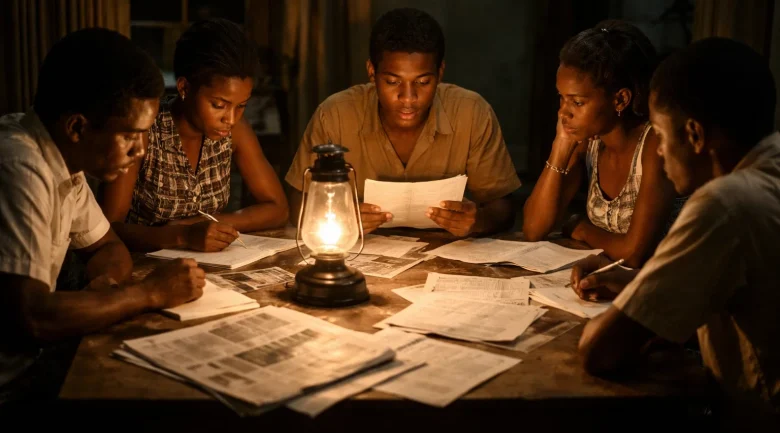
The Manicou Movement emerged in the late 1960s as the intellectual and investigative vanguard of radicalism in Dominica. Named after the elusive, nocturnal opossum, the group functioned as an underground collective of students and activists dedicated to exposing governmental corruption and neocolonial influence during the administration of Edward LeBlanc.
As the primary precursor to the Movement for a New Dominica (MND), the movement specialised in high-impact pamphleteering. Their underground newsletters were the first to provide detailed investigative reports on state scandals, most notably the Hoffman Affair, which involved the secret leasing of vast island territories to foreign interests. Key figures like William Emmanuel Riviere and Rosie Douglas used the Manicou identity to bridge the gap between academic Marxism and the lived frustrations of the rural working class.
By 1972, the group’s energy was absorbed into the broader Black Power struggle, but its legacy remained in the creation of the radical press, specifically the paper Twavay. It transformed the island’s political culture from passive colonial statehood to active, investigative resistance, providing the ideological blueprint for the independence movements of the late 1970s.


References
-
1.
Black Consciousness and Class in the Caribbean https://digitalcommons.usf.edu/cgi/viewcontent.cgi?article=1559