

Dominica’s Maritime Heritage
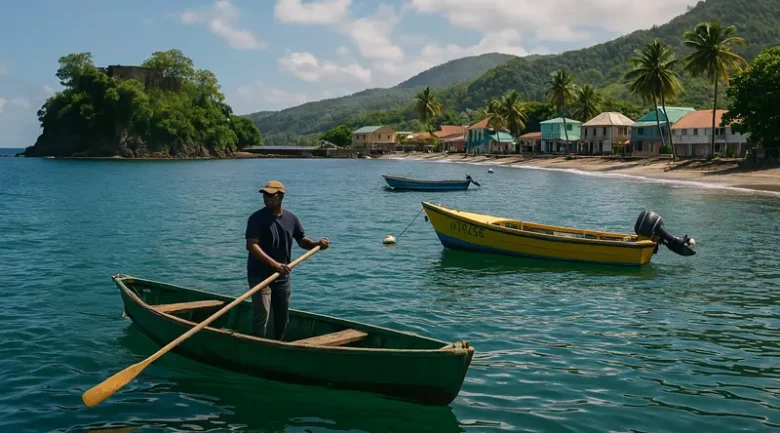
Dominica’s maritime heritage is an enduring foundation of its national identity, rooted in centuries of cultural tradition, economic dependence, and ecological stewardship. Framed by 148 kilometers of coastline, the island’s story is shaped as much by the sea as the mountains. From ancient indigenous navigation to the modern blue economy, the island’s connection to its marine environment continues to influence its cultural, social, and economic trajectory.
Historical Roots of a Seafaring Culture
Dominican maritime past begins with indigenous ingenuity and colonial encounters, shaping a legacy of resistance, navigation, and defense that continues to influence coastal identity today.
Kalinago Maritime Traditions
Dominica’s indigenous people, the Kalinago, were master navigators, relying on dugout canoes to traverse the Caribbean Sea. They fished, traded, and traveled between islands using a complex knowledge of tides, wind patterns, and celestial navigation. This seafaring legacy continues to echo in modern cultural practices and is still honored during festivals and in the Kalinago Territory on the east coast.
Colonial Forts and Naval Strategy
Dominica’s maritime location during the colonial era made it a strategic military asset. European powers constructed forts to control marine trade and defend against naval assaults.
Key coastal fortifications included:
- Fort Shirley: Located at Cabrits National Park, this site witnessed the 1802 revolt by the 8th West India Regiment, which contributed to the emancipation of enslaved soldiers in the British Empire.
- Fort Cachacrou: Situated on the narrow isthmus of Scotts Head, this fort provided strategic control over the channel where the Atlantic Ocean meets the Caribbean Sea.
These structures reflect the sea’s pivotal role in Dominica’s geopolitical importance.
Cultural Significance of Coastal Life
From handcrafted rafts to seafood traditions, Dominica’s coastal communities embody a living culture where the sea continues to inspire rituals, livelihoods, and shared identity.
Coastal Communities and Fishing Villages
Dominica’s coastal villages, from Calibishie in the north coast to Soufrière and Scotts Head on the southwest, are living representations of the island’s seaborne culture. Many began as fishing villages, where daily life centered on boat-building, net casting, and seafood preparation.
Some of the most iconic coastal communities include:
- Marigot – A key fishing and transportation hub on the east coast, close to the Douglas-Charles Airport.
- Portsmouth – Home to Prince Rupert Bay, a vital natural harbor supporting fishing and tourism.
- Mahaut and Salisbury – Smaller yet active villages on the west coast, connected to agriculture and small-scale fishing.
Traditional boats like the Pwipwi raft, hand-carved from Bois Canon, remain symbols of heritage and resilience in many of these communities.
Economic Impact and Emerging Blue Economy
The ocean is a vital economic engine in Dominica. To secure its future, the island must carefully align marine development with strong environmental stewardship.
Fisheries Sector
The fisheries sector has long been a pillar of the Dominica economy, especially for rural communities. Between 1950 and 2010, fisheries output reached an estimated 85,000 tonnes, though official figures have underreported this impact.
The Fisheries Division, under the Government of Dominica, continues to modernize the industry through:
- Technical training and licensing
- Marine monitoring and gear distribution
- Sustainable fishing policies
Yet, challenges like climate change, limited access to credit, and declining youth participation continue to affect growth.
Yachting and Cruise Industry
The yachting sector and cruise industry have expanded significantly, particularly on the Caribbean Sea coast. With key ports like the Roseau Cruise Ship Berth and Cabrits Cruise Ship Berth, Dominica now welcomes thousands of yacht visitors and cruise tourists annually. These visitors support local tour guides, souvenir makers, restaurants, and eco-excursions, linking the sea to the heart of natural heritage-based tourism.
Environmental Stewardship and Natural Beauty
Dominica’s surrounding seas host some of the region’s most precious marine ecosystems. Protection efforts ensure these resources benefit biodiversity, tourism, and future generations.
Marine Reserves and Protected Areas
In line with Dominica’s international image as the Nature Island of the Caribbean, the government has declared several marine protected areas, such as the Soufrière-Scotts Head Marine Reserve and the proposed Sperm Whale Reserve. These zones help preserve coral reefs, spawning grounds, and marine biodiversity while enhancing community-based tourism and conservation awareness.
Dominica’s natural beauty beneath the waves, its reef systems, underwater geothermal vents, and unique marine fauna, has made it one of the region’s most prized diving destinations.
Project CETI and Youth Training
Project CETI (Cetacean Translation Initiative) introduced the Dominica Marine Conservation Fellowship, a 10-month program aimed at training young Dominicans in:
- Marine research and monitoring
- Environmental storytelling
- Leadership and scientific communication
This initiative, among others, supports a sustainable blue economy by preparing the next generation of marine conservationists.
Government Policies and Strategic Direction
Dominica’s leadership recognises the crucial role of maritime governance. Policies and partnerships now align to manage marine spaces sustainably while strengthening climate resilience and local economies.
National Ocean Policy and Blue Economy
The Government of Dominica, through collaboration with the Commonwealth of Dominica and international partners like the OECS, has introduced the National Ocean Policy, a comprehensive strategy to guide sustainable marine development. It covers:
- Marine spatial planning
- Conservation targets
- Fisheries reform and coastal resilience
- Tourism and port development
This policy aligns with national goals to integrate the blue economy into the broader development agenda, ensuring that marine resources contribute to Dominica’s GDP and community well-being.
Institutional and Legislative Efforts
Although guided by the Fisheries Act of 1987, gaps remain in enforcement and legal modernisation. Strengthening institutional frameworks will be critical to addressing threats like:
- Overfishing
- Illegal gear use
- Habitat destruction
- Pollution from inland sources
Donor-funded projects and technical support from organisations like UNDP, OECS, and FAO are helping build legal, scientific, and administrative capacity in this area.
Charting the Future
As the island strengthens its connection to the blue economy, coastal communities will remain at the forefront of sustainable development. Whether through eco-tourism, fisheries sector revitalisation, or marine protection, Dominica’s future is anchored to its seas. A deeper appreciation of its coastal villages, natural beauty, and seafaring legacy is key to ensuring resilience and prosperity for future generations.


