




Cost of living in Dominica
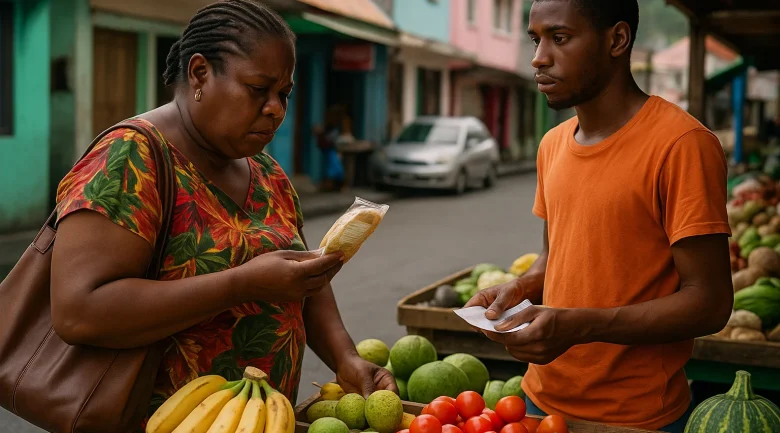
The Cost of living in Dominica reflects a mix of affordability and island-specific challenges, shaped by the nation’s small-scale economy, import dependence, and limited domestic production. While the overall cost is moderate compared to developed economies, it remains high relative to local wages. For residents, careful budgeting is essential; for expatriates, it offers a balance between tropical living and manageable expenses when expectations are adjusted to local realities.
General Overview and Income Context
Dominica’s average monthly cost of living for one person ranges from US$1,200 to US$1,800, depending on lifestyle, housing location, and consumption habits. For a family of four, estimates rise to US $3,500–4,500 per month, excluding luxury spending. According to Numbeo (2025), a single person’s average monthly cost (excluding rent) is about EC$3,700 (US$1,366), while a family of four averages EC$11,400 (US$4,217). These figures place Dominica’s cost structure slightly higher than neighbouring OECS states such as St Lucia and St Vincent, largely due to logistics, transport costs, and import tariffs.
Local wages, however, remain comparatively modest. A large segment of Dominica’s working population earns between EC$1,200 and EC$3,000 per month, with government, education, tourism, and agriculture being major employers. This means that, for many households, comfortably meeting all expenses requires dual incomes or supplemental support, such as family farming or remittances from overseas relatives. The country’s use of the East Caribbean Dollar (XCD), pegged to the US Dollar at 2.7 XCD = 1 USD, provides monetary stability but limits flexibility to absorb imported price fluctuations.
Despite these constraints, Dominica remains one of the more affordable places in the Caribbean for residents prioritising modest, sustainable living rather than luxury consumption. The overall living standard is influenced by access to land, local produce, and a slower, community-based lifestyle, which can offset the high prices of imported goods.
Housing, Food, Utilities and Transport
Accommodation accounts for a significant share of living expenses. In Roseau, a one-bedroom apartment typically rents for US$325-400 per month, while rural villages like Salisbury or Calibishie may offer comparable homes for US$250-300 per month. Furnished houses or modern villas, often catering to expatriates, range from US$1,000 to US$2,000 depending on amenities and location. Housing built after Hurricane Maria (2017) tends to feature improved hurricane-resilient standards, sometimes reflected in higher rental rates.
Utility costs, including electricity, water, and garbage collection, average around US$100-150 per month, depending on household size and air-conditioning usage. Dominica Electricity Services Ltd. (DOMLEC) imports most of its fuel for generation, so spikes in global oil prices quickly affect utility bills. However, the government’s geothermal energy programme aims to stabilise future costs.
Food prices depend heavily on the balance between local produce and imported goods. Fresh fruits, vegetables, and fish purchased at local markets remain affordable, but imported dairy, meats, and packaged foods can cost twice as much as in North America. A meal at a modest restaurant averages US$10, while a three-course dinner for two at a mid-range establishment may cost US$60-90. Monthly grocery spending for one person typically falls between US$250 and US$400, depending on diet and reliance on imports.
Transportation varies widely: public minibuses serve most routes for EC$2-8 per trip, but schedules can be irregular outside urban centres. Fuel costs hover around US$6.50-7.00 per US gallon, making car ownership a moderate expense. Most Dominicans rely on a combination of buses, shared taxis, and walking for short distances, keeping overall commuting costs relatively contained.
Major Factors Influencing Cost of Living
Several underlying factors shape Dominica’s price environment and determine why living costs fluctuate more sharply than in larger economies:
- Import Dependence: Over 80 percent of consumer goods, including fuel, vehicles, construction materials, and packaged foods, are imported. Freight, duties, and storage add substantial mark-ups.
- Natural-Disaster Vulnerability: Hurricanes often disrupt supply chains and damage infrastructure, causing temporary price surges for housing materials, food, and utilities.
- Energy Costs: Limited renewable capacity means electricity production depends on imported fuel. Energy reforms, including geothermal projects, aim to reduce volatility.
- Transport and Logistics: As an island with limited port capacity, shipping and distribution costs affect nearly every sector of the economy.
- Small Market Size: The country’s population of roughly 72,000 limits economies of scale, keeping per-unit costs high for imported and manufactured items.
- Tourism and Expat Demand: Influxes of visitors and foreign residents, particularly during peak tourist seasons, can raise rental and service prices in the capital and coastal zones.
Managing Expenses and Quality of Life
While Dominica’s costs can appear high on paper, residents often adopt local strategies to maintain affordable living standards. These include cultivating household gardens, participating in cooperative buying through credit unions, and purchasing locally sourced goods rather than imports. In rural communities, bartering and shared family farming remain common, significantly lowering food costs.
A realistic monthly cost breakdown for a single professional in Roseau might include:
- Rent: US $350-450 (city) or US $250 (rural).
- Utilities (electricity, water, waste, internet): US $120-160.
- Groceries and dining out: US$300-400.
- Transportation: US$100-120.
- Miscellaneous/personal: US$150-200.
For most, a total monthly budget of US$1,000-1,400 covers a moderate but comfortable lifestyle. Families seeking larger homes, private schooling, or frequent travel will typically spend US$3,000-4,500 monthly.
The cost-of-living index reflects not only monetary prices but also lifestyle priorities: Dominica’s slower pace, social cohesion, and lower crime rate contribute to a high quality of life even when incomes are modest. The ability to source food locally, reduced commuting time, and a clean, natural environment offset higher import prices for many residents.
Key Insights for Residents and Expatriates
- Dominica’s cost-of-living ranking remains mid-range among Eastern Caribbean nations, with higher utility and import costs but lower healthcare and housing costs than most.
- The real challenge lies in aligning income with expenses, especially for households dependent on a single salary.
- Rural areas offer more affordable living but reduced access to services, while Roseau and Portsmouth offer convenience at a higher cost.
- Inflation, averaging around 3-4 percent annually, has remained moderate compared to regional averages but spikes following global supply shocks.
- Expatriates find the island economical for semi-retirement or remote work, especially when earning foreign income.
Dominica’s cost of living, while modest by international standards, mirrors its dual reality: a resilient, community-oriented population navigating global price pressures in a small but resource-rich economy.


