


Standard of Living in Dominica
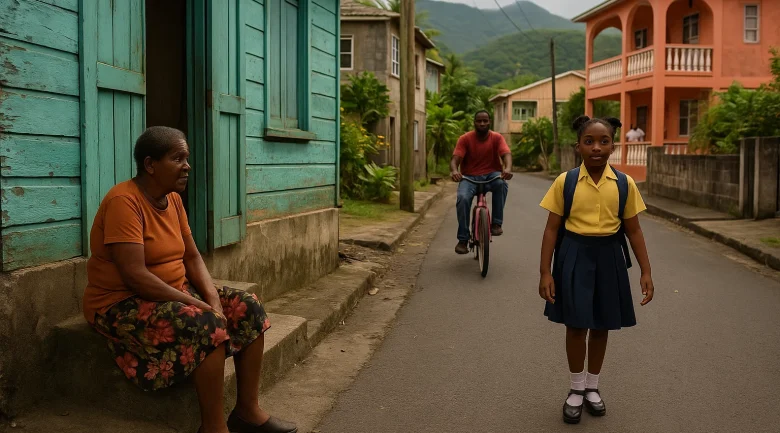
The standard of living in Dominica reflects how citizens’ quality of life is shaped by economic conditions, social services, infrastructure, and cultural context. While many residents enjoy a stable, community-rich lifestyle, structural constraints such as limited incomes, frequent exposure to natural disasters, and high import costs create a gap between aspirations and everyday experience.
Economic Indicators & Social Context
Key economic and social metrics provide insight into the material component of living standards in Dominica:
- GDP per capita in current U.S. dollars was approximately US$10,405 in 2024.
- World Bank data listed GDP per capita at around US$9,833 in 2023.
- The poverty rate is estimated at around 29 % of the population, with a higher incidence in agricultural and rural communities.
- Approximately 10.4% live below the international poverty line, and 39% below national poverty thresholds.
- Quality-of-life indices indicate challenging figures: a purchasing power index of 29.40 (very low) and a healthcare index of 36.57 (low) in contributing to living standards.
These figures suggest that while Dominica is not among the poorest Caribbean states, significant segments of the population face limitations in income, access and resilience. Living standards are influenced not only by average income but also by access to services, the quality of infrastructure, and external shocks.
Key Elements Affecting Daily Living
- Income and Employment: Many households rely on modest wages, remittances or small-scale farming. Employment in agriculture, tourism, and public service dominates but often offers low compensation amid import-based cost pressures.
- Access to Social Services: Dominica has universal access to electricity (100%) and near-universal schooling, which support baseline living standards. Health-care provision is free at the point of service in many cases for vulnerable groups, though hospitals and clinics face resource constraints.
- Housing & Infrastructure: Housing quality varies widely. Many homes have been rebuilt following natural disasters, but remoteness, transport links and construction standards remain uneven. Infrastructure investment remains a major determinant of living conditions.
- Cost Structure & Prices: Though housing and land can be affordable, imported goods, fuel, utilities and transportation often cost more than local incomes comfortably allow. For example, cost-of-living data show that groceries and transportation may cost more than global averages, relative to income.
- Environmental & Disaster Risks: Dominica is vulnerable to hurricanes, flooding, volcanic risk and drought. These events affect living standards by destroying homes, disrupting livelihoods and raising rebuilding costs. They embed a layer of risk into everyday life that many higher-income countries do not face.
- Community and Cultural Factors: On the positive side, residents benefit from strong social networks, community support systems, a rich natural environment and a slower pace of life. Expat and migration guides emphasise this non-material aspect of the standard of living in Dominica.
Features, Strengths and Constraints
Strengths:
- Genuine access to nature, green spaces, fresh produce and a clean environment enhances quality of life beyond economic metrics.
- Community-based life and relatively low crime rates in many areas create social stability that supports living standards.
- Housing and cost opportunities exist outside major Caribbean tourist hubs, making moderate lifestyles achievable with careful planning.
Constraints:
- Income levels and purchasing power remain modest relative to global cost-of-living benchmarks; wage growth often lags behind increases in living costs.
- Price sensitivity is high, particularly for imported goods, fuel and utilities, limiting consumption or forcing trade-offs in household spending.
- Logistic disadvantages, small market size, island isolation, and dependence on imported inputs, raise costs across many categories.
- Vulnerability to natural-disaster damage means living standards may regress when storms or infrastructure failures strike, adding volatility to what would otherwise be a stable life.
Practical Implications for Residents
- Many households manage by combining income streams, practising subsistence farming or relying on remittances to offset cost pressures.
- Education and access to government services are key assets; households that use these well tend to maintain better standards.
- Location matters: households in Roseau and coastal zones typically face higher costs and lower service access than households in isolated inland or mountain communities.
- For those earning foreign incomes or working remotely abroad, Dominica offers the potential for a higher relative standard of living; for local-income households, the margin may be tighter.
- Investment in resilience, housing built with disaster-resilient standards, access to insurance, and diversified income improves the sustainability of living standards over time.
General Outlook on Quality of Life
While Dominica offers access to a moderate-cost lifestyle and benefits from community, environment and social cohesion, the standard of living remains shaped by income constraints, cost pressures and vulnerability to shocks. Living standards are thus a mix of middle-income island conditions: better than many rural contexts globally, weaker than high-income urban environments. Improvements in infrastructure, productivity, disaster resilience and inclusive growth remain critical for raising living standards across all segments of Dominican society.


