


Citizenship Deprivation Order
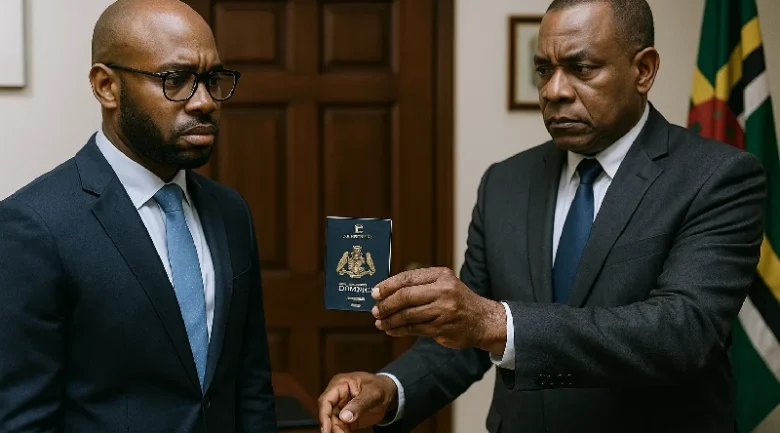
A Citizenship Deprivation Order in Dominica refers to the formal legal process through which a person’s Dominican citizenship is revoked by the state. This action is rooted in the authority granted under the Citizenship Act (Chapter 1:10) and is typically enforced through a ministerial directive following due inquiry. The deprivation of citizenship is considered an extraordinary measure and is usually applied in cases where the individual obtained citizenship through fraud, false representation, or concealment of material facts.
The Citizenship Act provides the legal basis for this form of revocation under Section 8, which specifies that any registration or naturalization obtained by fraudulent means can be annulled. The Citizenship Regulations of 1979 also outline the procedural safeguards and documentation associated with initiating and executing such orders. While Dominica does not have a high number of recorded deprivations, the mechanisms are actively maintained within the legal system to preserve the integrity of citizenship acquisition processes, particularly in light of the country’s internationally recognized Citizenship by Investment (CBI) Programme.
In practice, a Citizenship Deprivation Order is issued by the Minister for Legal Affairs, following the advice of relevant departments or committees. Individuals are given notice of the government’s intention to revoke their citizenship and are granted an opportunity to respond or appeal the decision. Once a deprivation order is confirmed, it is published in the Official Gazette, and all legal documents associated with the citizenship status, such as passports and certificates of naturalization, become void.
Legal Grounds and Application
Dominica’s legal framework identifies fraud, misrepresentation, concealment, and disloyalty to the state as legitimate grounds for deprivation. Under Section 9 of the Act, persons who acquired citizenship and later engage in activities considered prejudicial to the interests or security of the state may also be targeted under this measure. This includes treason, espionage, or acts that involve allegiance to a foreign power in conflict with Dominica’s interests.
Although the revocation powers are substantial, the law also seeks to ensure the process is not arbitrary. Individuals are typically granted due process, including the right to be heard, submit evidence, and seek judicial review. This protection aligns with international human rights norms, such as Article 15 of the Universal Declaration of Human Rights, which states that “no one shall be arbitrarily deprived of their nationality.”
In cases related to the Citizenship by Investment Programme, the government has grown particularly vigilant. Background checks, international law enforcement cooperation, and post-citizenship reviews are now embedded in the CBI screening process to minimize abuse. When irregularities are discovered, especially if linked to criminal conduct or false identity claims, a Deprivation Order may follow. Revoked citizens may also be barred from reapplying under any name or alias.
Administrative Practice and Public Record
The issuance of a Citizenship Deprivation Order is not taken lightly and is usually a matter of public record. Once the order is signed by the Minister and published, the Registrar of Titles or Registrar of the High Court may be notified for any legal consequences that follow, including land ownership adjustments or revocation of voting rights.
Dominica has, in rare cases, exercised these powers to protect the integrity of its citizenship framework. However, the process remains relatively infrequent, given the country’s rigorous application protocols and the limited number of naturalization cases outside the investment stream.
The enforcement of such orders is also supported by regional and international protocols, allowing Dominica to work with partner countries and international agencies to address persons whose naturalized status was fraudulently obtained. In certain cases, this cooperation leads to the freezing of assets or denial of visa-free entry to other jurisdictions that recognize Dominica’s citizenship.


