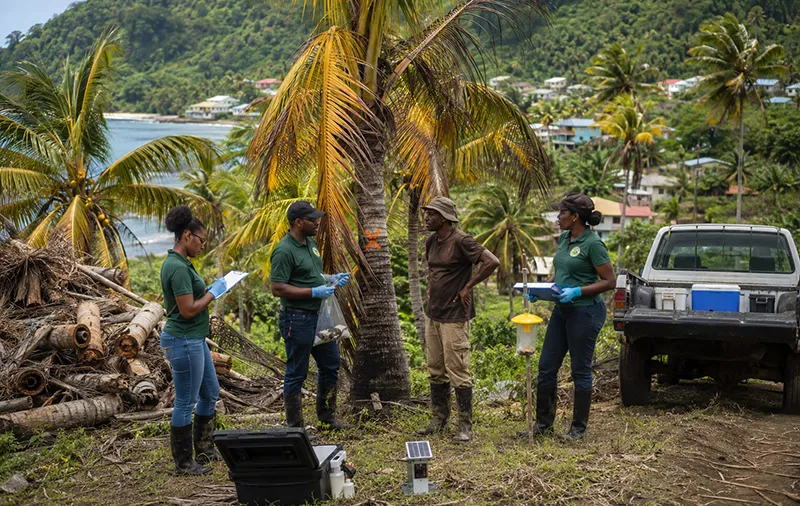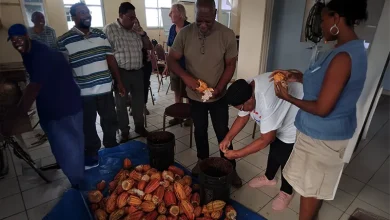
The Ministry of Agriculture and the Food and Agriculture Organization (FAO) are preparing an emergency response programme following the confirmation of lethal yellowing disease in Dominica, raising concerns about the future of the island’s coconut industry and wider agricultural resilience.
The disease, officially confirmed in April, is considered one of the most destructive illnesses affecting coconut palms and ornamental palms across the Caribbean. Agricultural officials warn that once infected, trees can decline rapidly and die within three to six months. Lethal yellowing has already caused severe economic losses in several Caribbean territories, including Jamaica, Antigua and Barbuda, St. Kitts and Nevis, Cuba, the Bahamas, Guadeloupe, and other regional islands heavily dependent on coconut production.
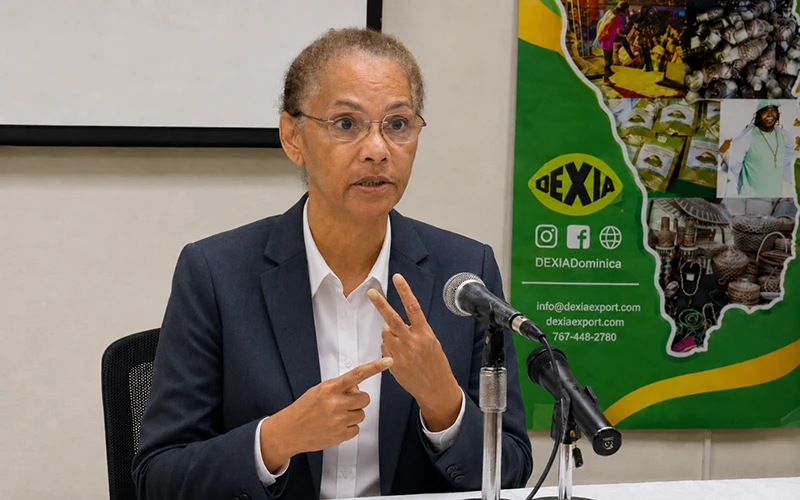
According to FAO Sub-Regional Coordinator for the Caribbean, Dr. Renata Clark, the Government of Dominica formally requested emergency assistance after the disease was identified locally.
“The ministry approached us to say we have a problem, unexpected, we have plans for the coconut industry, can you give us emergency assistance?” Clark explained during a media briefing in Dominica last week.
Clark said FAO has already activated one of its emergency support mechanisms and will now work directly with Dominican agricultural officials to map infection patterns, strengthen containment systems, and train technical personnel involved in monitoring and response operations.
“Working with the ministry staff, looking at the patterns of infection and how best to control and making sure all of the protocols are in place and everyone is trained to be containing the disease to the extent possible and then preventing its spread in the future,” she stated.
The disease is spread by a plant hopper, which transmits the bacteria-like organism that infects coconut palms. Once symptoms appear, trees often show yellowing leaves, premature nut drop, blackened flower structures, and eventual death.
The development comes at a particularly sensitive time for regional agriculture, as Caribbean governments continue to push food security and local food production strategies following supply chain disruptions during the COVID-19 pandemic and more recent global instability.
Dr. Clark recently warned that Caribbean countries remain dangerously dependent on imported food and vulnerable to external shocks affecting shipping, trade routes, and international prices.
“We’ve always known we’re importing too much food,” Clark said while discussing broader food security concerns facing the region.
For Dominica, the emergence of lethal yellowing now creates another challenge for an agricultural sector already dealing with climate pressures, storm damage, labor shortages, and rising production costs. Officials say early containment efforts will be critical if the island hopes to prevent wider spread into coconut-producing communities and commercial agricultural areas over the coming months.
This article is copyright © 2026 DOM767