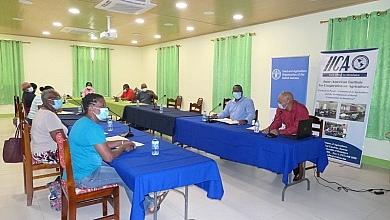




A new initiative aimed at reducing the high cost of livestock feed and strengthening Dominica’s agricultural sector has been launched through a partnership between the Dominica National Conservation Trust Fund and the Inter-American Institute for Cooperation on Agriculture (IICA).
The Climate-Smart Forage Transformation Project seeks to reduce farmers’ dependence on imported animal feed by promoting the cultivation of climate-resilient forage crops suited to local conditions. The programme is also expected to improve livestock productivity while supporting the country’s efforts to strengthen food security and reduce the food import bill.
Speaking at the launch, representatives noted that imported feed can account for as much as 60 percent of livestock production costs, leaving farmers vulnerable to rising international prices, supply chain disruptions and the effects of climate change.
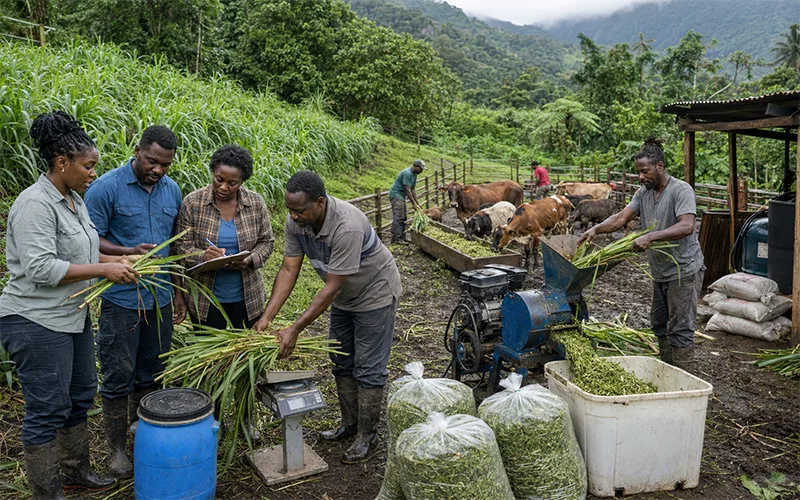
The project introduces scientifically validated forage species, including mulberry, trichanthera, African star grass, tanner grass and other locally adapted varieties. Plantlets will be propagated through the Ministry of Agriculture before being distributed to livestock farmers across the island.
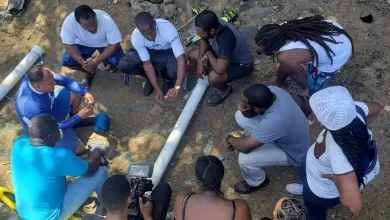
As part of the initiative, about 30 farmers will receive training in forage production and conservation techniques. Organizers also plan to distribute more than 46,000 climate-resilient plantlets and rehabilitate approximately 4.5 acres of degraded pasture. Women and young people are expected to play a central role in the programme as participants and beneficiaries.
Director of Agriculture Keian Stephenson said the initiative complements government’s wider strategy to expand local livestock production while limiting the country’s reliance on imported feed.
He explained that increasing domestic meat production should not result in greater imports of animal feed, stressing that local feed production is essential if Dominica is to achieve a more sustainable livestock industry.
Stevenson said the project will help farmers lower production costs, improve resilience and support national efforts to reduce meat imports by creating a stronger local supply chain for livestock feed.
This article is copyright © 2026 DOM767