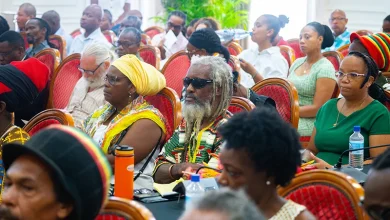
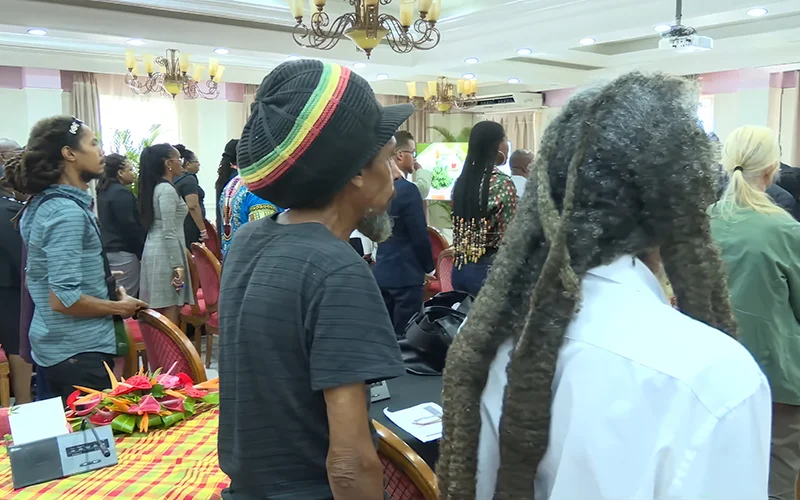
The National Cannabis Symposium, being held in Roseau from today 9th July 2025 to tomorrow 10th, is being framed as a bold leap forward for Dominica, an event that, according to its organisers, would redefine health policy, rural development, and economic diversification. With ministers quoting Bob Marley, dignitaries invoking SDGs, and emotional anecdotes pulling at heartstrings, the atmosphere was one of visionary uplift.
But while the words soared, the ground beneath them seemed worryingly unstable. For all its branding as a “historic” moment, the Symposium revealed a familiar pattern in Dominica’s political culture: eloquent declarations without the necessary infrastructure, legislation, or timelines to support them.
Promises Without Anchors
Cassanni Laville, the Minister for Health, Wellness, and Social Services, delivered what many described as a sweeping and detailed presentation. He touched on everything from the therapeutic potential of cannabis to mental health safeguards and traditional healer inclusion. But his most definitive line, “safety is non-negotiable,” stood in stark contrast to the lack of a published legislative draft or regulatory model.
To his credit, Laville did acknowledge the country’s existing limitations. “Cannabis reform is not just a legislative task. It is a nation-building opportunity,” he said, before promising a framework that would integrate everything from cultivation to export potential. However, the recurring use of aspirational language, such as “we must” and “we intend,” made it clear that Dominica is still in the dreaming phase.
Emotional Weight, But No Operational Plan
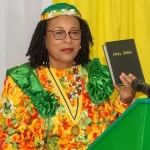
Melissa Poponne Skerrit, Minister for Housing and Urban Development, provided the event’s most emotionally powerful moment. Recalling a young mother who found relief from breast cancer pain through cannabis oil, she made a strong case for medical access grounded in human compassion.
“Cannabis oil may not be a cure for cancer, but it plays a powerful role in managing pain,” she said. “Her doctors said it helped prolong her life.”
Yet despite the moving story, there was no outline for how cannabis oil would become fully accessible. There were no pharmacological guidelines, no import-export licensing plans, and no defined product testing mechanisms. Medicinal Cannabis in Dominica has the moral rhetoric, but still lacks the logistical blueprint.
The Inclusion Illusion
Several speakers championed the idea of justice and inclusion. Laville promised “access to licensing of the small man and the small woman,” stressing that Dominicans shouldn’t be “shut out by red tape.” He even warned against “large capital investments” that would squeeze out traditional cultivators.
This theme was echoed by Dr. Kenneth Darroux, Co-Chair of the National Cannabis Advisory Committee, who said: “We must not lose focus. This is about safe use, science-based policy, and equitable growth.”
His colleague, Dr. Al-Mario Casimir, reinforced the sentiment: “Our goal is to ensure that this industry reflects our values, justice, sustainability, and local empowerment.”
But once again, concrete safeguards were missing. No thresholds for local ownership were proposed. No cooperative models were shown. No commitments were made to ensure community herbalists or farmers would receive grants, training, or dedicated land zones. And as we’ve seen in other sectors, such as Bay Oil, Dominica Coffee, and the emerging Seamoss industry, some fear the same fate may unfold.
The Rhetoric of Regionalism
The OECS representative, Dr. Roxanne Brizan-St Martin, spoke with polish and clarity about aligning cannabis policy with regional integration and sustainable development goals. She noted the importance of “transdisciplinary approaches,” echoing the work of Mohan Munasinghe. Yet it was hard not to notice that regionalism here meant importing models rather than building grounded ones. References to Jamaica, Antigua, and Barbados sounded more like comparisons than collaborations.
Perhaps the most grounded voice of critique came from Dr. Machel Emanuel a known cannabis advocate in Dominica. He warned: “Don’t just talk about inclusion. Build it into the bylaws, the funding mechanisms, and the export protocols.”
His words highlighted the gap between vision and design, between promises made and spaces built.
Minister for Agriculture, Hon. Roland Royer gave a brief but telling intervention: “We are creating a new economic opportunity for Dominicans, especially in rural communities where farming has been the backbone of livelihood.”
But Dominica’s record with new crops should give us pause. From the Citrus Industry and it’s Export Growth to the Cocoa Cluster Development Project, we have seen government-backed initiatives start strong and end in bureaucratic delay or investment fatigue.
Here again, no fiscal models were presented. No feasibility study on global competitiveness. No plan to establish national testing labs or create public procurement mechanisms. The same old pattern: announce first, build later, sometimes never.
Culture vs Compliance
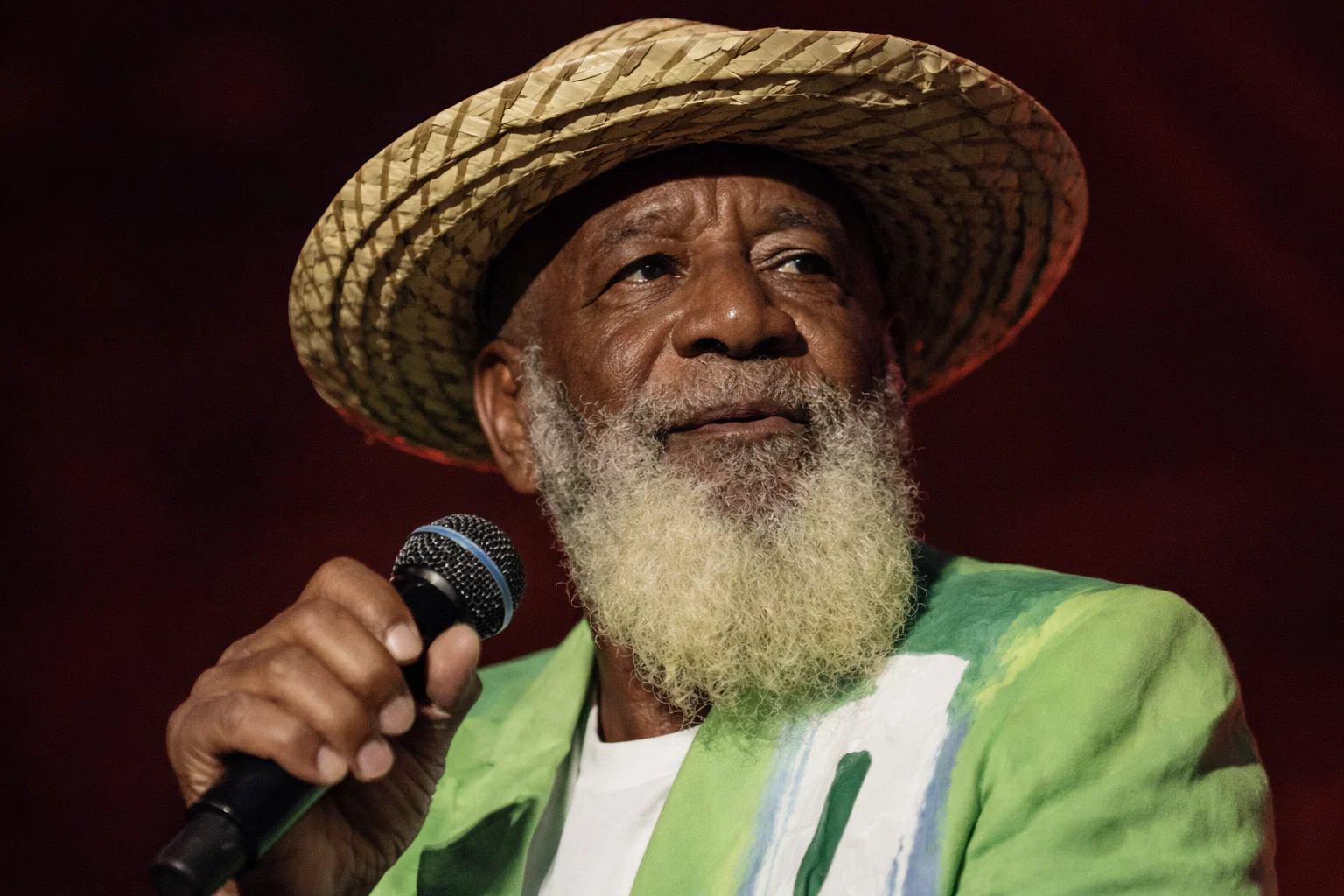
The invocation of Dominica’s cultural roots was prominent. The House of Nyabinghi was name-checked, the term “Nature Isle” repeated often, and Melissa Skerrit even sang a line from Bob Marley’s “Legalize It.” But cultural legitimacy without legal recognition is little more than symbolic decor.
While Marijuana has historical importance, the small farmer today faces a regulatory environment shaped by lawyers, policymakers, and consultants, most of whom don’t grow or consume the plant. Without explicit protections, cultural groups could again be used as mascots rather than stakeholders.
A Regional Voice: The View from St. Kitts
Guest speaker Samal Duggins, Minister of Agriculture in St. Kitts and Nevis, made a remark that resonated: “We are not only legalizing a plant. We are decriminalizing culture and opportunity.”
It was a sharp reminder that cannabis reform is not just about economic development; it is also about social justice. It’s about correcting a century of criminalisation, marginalisation, and social exclusion. Dominica may be late to the game, but it still has time to get it right.
The Road Ahead: Can We Deliver?
The symposium wasn’t a waste. It featured passionate speakers, valuable regional perspectives, and a unified tone around justice, safety, and health. But it remains what it is: a conversation.
The cannabis industry, if it is to emerge in Dominica, must be supported by actual legislation, public-private investment mechanisms, regional quality standards, and inclusive governance bodies. Until those things are in place, the bold words remain, well, just words.
For Dominica to fully realise a cannabis industry that is equitable and sustainable, it must do more than hold symposia. It must act carefully, transparently, and with the people it claims to serve at the very centre.
This article is copyright © 2025 DOM767