


Seamoss Industry in Dominica
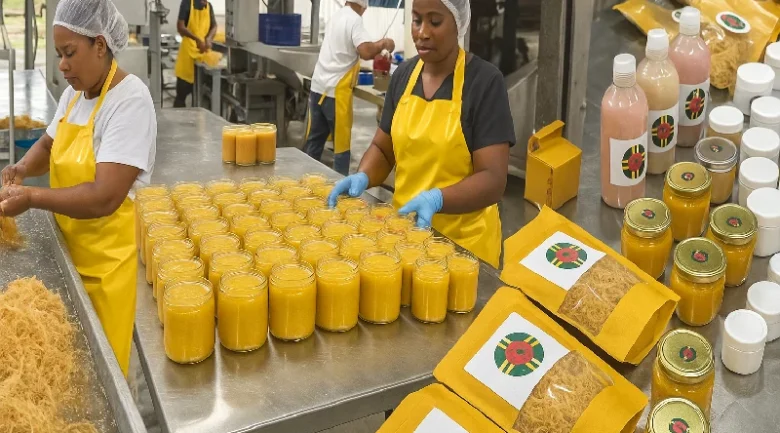
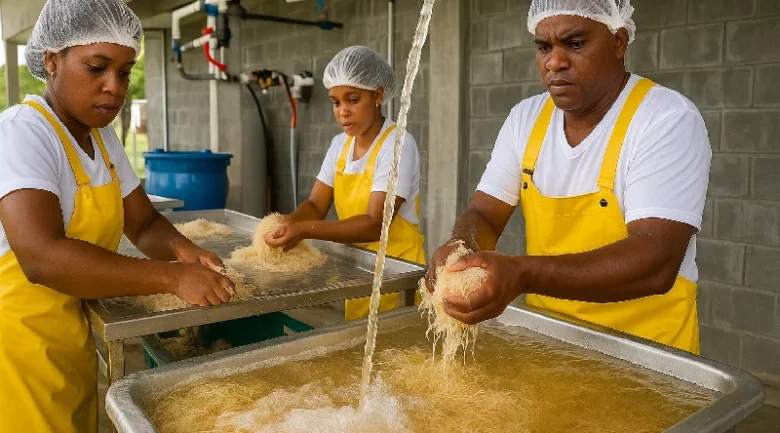
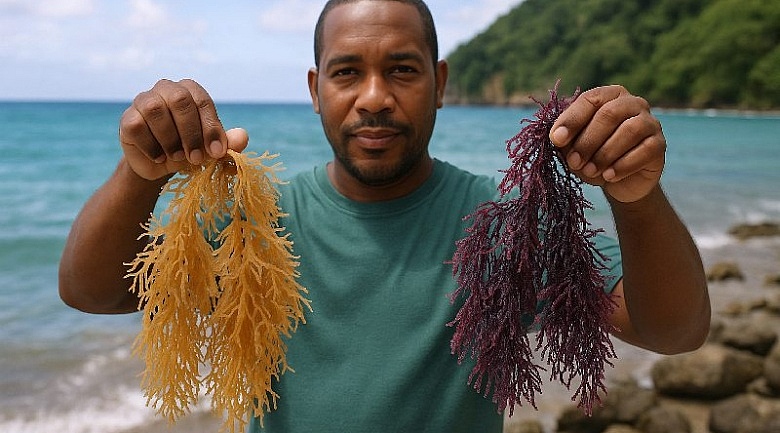
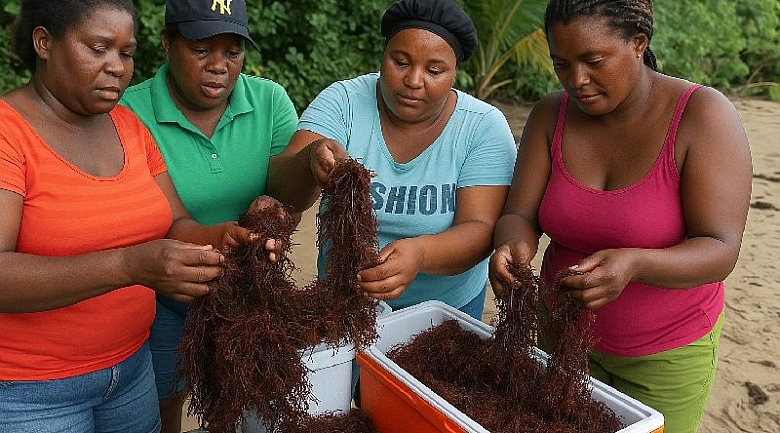
The seamoss industry in Dominica has grown into one of the island’s most dynamic natural product sectors, blending time-honoured harvesting traditions with new opportunities in wellness, skincare, and sustainable exports. Driven by demand for plant-based nutrition and marine-derived health products, the Dominican industry is creating jobs, supporting coastal communities, and promoting responsible use of the island’s rich marine ecosystem.
Community-Driven Growth
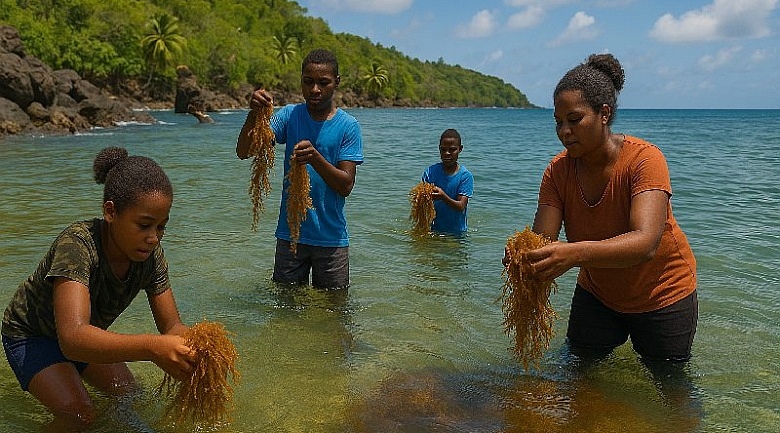
Seamoss is sourced primarily from shallow coastal waters where Gracilaria and Eucheuma thrive. These nutrient-dense sea vegetables are harvested in fishing villages such as San Sauveur, Castle Bruce, and Woodford Hill, where the sea has long been central to local livelihoods.
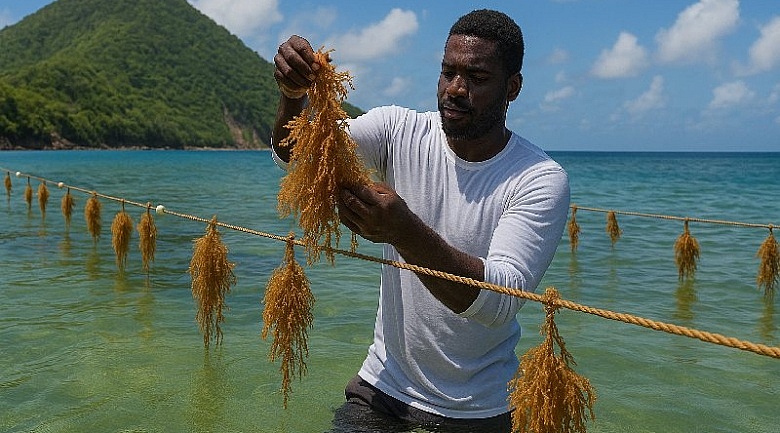
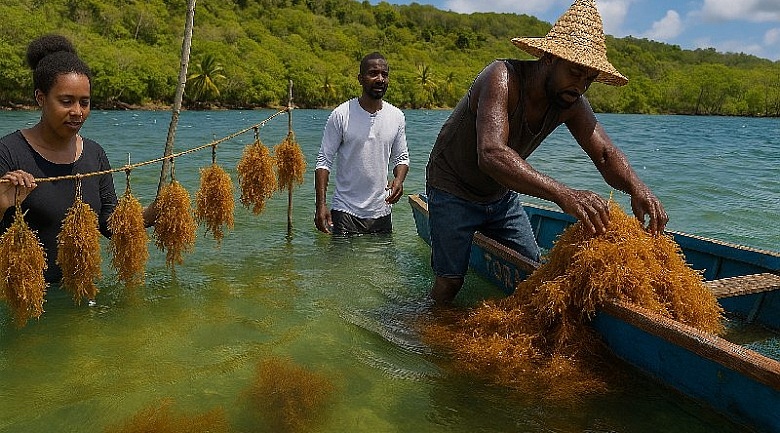
Many producers use traditional hand-collection methods, while others have adopted rope-line farming in calmer bays. This sustainable technique allows for reliable year-round cultivation while reducing pressure on wild stocks. As the industry expands, the shift toward farming is helping balance production with the protection of marine biodiversity.
Training, Support, and Enterprise
Government agencies, especially those focused on the environment and small business development, have played a key role in strengthening the seamoss value chain. Through equipment grants, technical training, and product development support, farmers and processors are improving standards, boosting efficiency, and expanding their reach.
These efforts are particularly evident among youth groups and women’s cooperatives in rural areas, where seamoss has become a key alternative to more vulnerable income streams like traditional fishing or informal trade. With proper training and tools, these groups are establishing drying stations, experimenting with value-added production, and developing brand identities that resonate with wellness-conscious consumers.
Product Expansion and Export
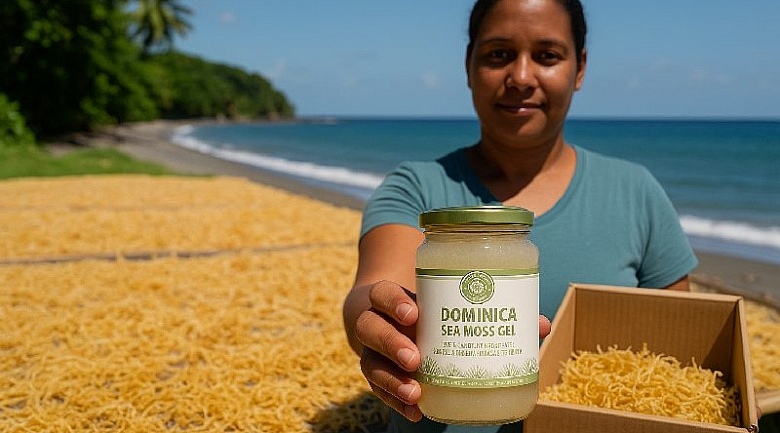
Dried seamoss remains the backbone of trade, but entrepreneurs across the island are increasingly turning it into premium goods: nutrient-rich gels, powdered supplements, herbal blends, and naturally infused beverages. In the skincare sector, seamoss is being used in soaps, balms, and topical treatments that highlight its moisturizing and mineral-rich properties.
These innovations are helping Dominica compete in regional and international markets while supporting local families across the eastern and southern coastline.
The Way Forward
While the seamoss industry is growing, it still faces climate pressures, supply chain challenges, and the need for stronger certification and traceability. Continued investment in quality assurance, training, and marketing will be essential to building a resilient future.
As farming expands in areas near marine reserves, and as processors refine methods that protect both product integrity and the surrounding environment, the industry remains rooted in principles of care, for people, for ecosystems, and for long-term economic health. What started as a small-scale marine harvest has matured into a nationally significant movement, powered by local innovation and the clean waters of the Caribbean Sea.


