




Type-2 Diabetes in Dominica
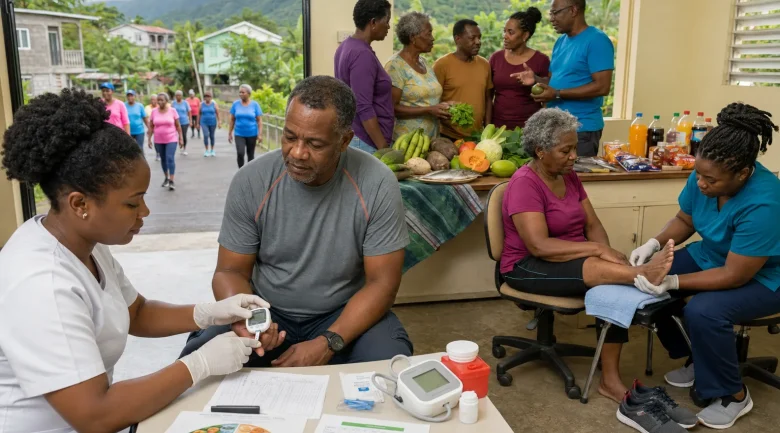
Type-2 diabetes in Dominica represents a primary non-communicable disease (NCD) and a critical public health priority, accounting for a significant proportion of adult morbidity, permanent physical disability, and premature mortality across the nation’s health districts. As a progressive metabolic disorder characterized by peripheral insulin resistance, impaired pancreatic beta-cell function, and persistent hyperglycemia, Type-2 diabetes accounts for over 90 percent of all diagnosed diabetes cases in the Commonwealth of Dominica. The management of the disease falls under the official oversight of the Ministry of Health, Wellness and Social Services, operating through a national public health framework that integrates decentralized primary care clinics, centralized tertiary hospital services, and regional chronic disease protocols. The sustained rise in disease prevalence over recent decades is closely associated with broader demographic ageing, high national rates of overweight and obesity, reduced physical activity levels, and historical shifts in dietary intake across urban and rural populations.
Epidemiological Profile and Statistical Trends
Epidemiological tracking conducted by the National Epidemiological Unit of the Ministry of Health, in coordination with the Pan American Health Organization (PAHO), the Caribbean Public Health Agency (CARPHA), and the International Diabetes Federation (IDF), documents a steady upward trajectory in metabolic disease prevalence across the Dominican population.
- Adult Prevalence Trends: According to International Diabetes Federation estimates, the comparative prevalence rate of diabetes among adults aged 20 to 79 in Dominica reached 12.9 percent. This represents a substantial expansion from the 8.9 percent baseline recorded in 2011, reflecting a 44.9 percent relative increase in metabolic disease burden over a thirteen-year tracking period.
- Affected Population Size: Within an estimated adult population of approximately 52,600 citizens, between 6,700 and 7,200 individuals live with diagnosed or unrecorded metabolic dysfunction.
- Undiagnosed Proportion: Public health evaluations indicate that approximately 29 percent of individuals living with the condition on the island remain undiagnosed during early disease stages. This delay in identification often results in patients presenting to formal health facilities only after secondary vascular or organ damage has developed.
- Proportionate Mortality: Non-communicable diseases as a group, comprising cardiovascular conditions, malignant neoplasms, chronic respiratory diseases, and diabetes, account for more than 80 percent of all annual deaths in Dominica. Type-2 diabetes consistently ranks among the top three individual causes of mortality, operating both as a primary diagnostic cause and as an underlying risk factor for acute myocardial infarction, ischemic stroke, and end-stage renal failure.
Etiological Factors and Risk Determinants
The high prevalence of Type-2 diabetes across Dominican communities stems from a combination of modifiable lifestyle behaviors, structural nutritional changes, and underlying biological susceptibility.
Dietary Transition and Nutritional Shifts
Over recent decades, the domestic food supply and dietary habits in Dominica transitioned away from a traditional agrarian diet toward a modern, processed food environment. The historical food pattern was heavily reliant on locally grown unrefined complex carbohydrates (such as dasheen, yam, tannia, breadfruit, and green bananas), fresh pelagic fish, legumes, and homegrown fruits. Modern dietary intake shows greater reliance on imported, ultra-processed products that contain high levels of refined carbohydrates, added sugars, saturated fats, and sodium. This nutritional shift has increased daily caloric density while reducing dietary fibre intake, driving chronic positive energy balance and systemic metabolic dysregulation across all socio-economic cohorts.
Physical Inactivity and Urbanization
Changes in employment patterns, shifting from physically intensive agricultural labour, manual fishing, and timber harvesting toward sedentary public sector, administrative, and service-oriented occupations, have led to a drop in total daily energy expenditure among working-age adults. Infrastructure modernisations, expanded private vehicle ownership, and motorised public transport have further diminished routine walking, particularly in urbanised centres such as Roseau, Portsmouth, and Canefield. Public health surveys demonstrate that a clear majority of working adults and school-aged adolescents fail to meet World Health Organization recommendations for weekly physical activity.
Obesity Prevalence and Gender Disparities
Obesity serves as the single strongest modifiable risk factor for the development of insulin resistance and Type-2 diabetes in the Caribbean region. In Dominica, combined overweight and obesity rates exceed 59 percent among the adult population, with distinct gender variations:
- Female Population Dynamics: Women in Dominica experience significantly higher rates of clinical obesity and abdominal adiposity compared to men. Epidemiological studies by CARPHA indicate that Caribbean women are up to three times more likely to present with clinical obesity than their male counterparts. This elevated rate of adiposity correlates directly with higher diagnostic rates of Type-2 diabetes among women during routine screening events.
- Male Diagnostic Patterns: While women present higher diagnostic prevalence, male residents exhibit higher rates of late-stage secondary complications. Men in Dominica tend to access primary healthcare facilities less frequently for preventive screenings, leading to delayed clinical diagnoses. Consequently, male patients frequently present with advanced diabetic foot ulcers, unmanaged peripheral neuropathy, or established renal impairment at initial presentation.
National Health Governance and Policy Frameworks
The public health response to Type-2 diabetes is guided by statutory authority, national policy frameworks, and regional health mandates aimed at reducing chronic disease risk factors.
National NCD Policy and Strategic Plan
The Ministry of Health, Wellness and Social Services governs diabetes management through the National Strategic Plan for the Prevention and Control of Non-Communicable Diseases. This multi-sectoral strategy establishes policy directives focused on:
- Primary Prevention: Community health education, physical activity promotion, and legislative interventions to reduce the availability and consumption of sugar-sweetened beverages in public institutions and schools.
- Early Detection: Standardized screening protocols operating at all community health centers to identify pre-diabetes and early-stage metabolic dysfunction in high-risk individuals.
- Integrated Clinical Management: Evidence-based treatment pathways designed to standardize blood glucose, blood pressure, and lipid management across all tiers of the public health system.
Regulatory Interventions and Food Environment Measures
In accordance with CARICOM regional mandates, the Government of Dominica has explored fiscal and policy measures to alter the food environment. These include discussions on implementing front-of-package nutritional warning labels on pre-packaged foods, tax structures targeting high-sugar imported items, and local agricultural initiatives designed to improve the physical accessibility and affordability of locally grown produce.
Decentralized Primary Healthcare Architecture
Dominica manages chronic conditions like Type-2 diabetes through a decentralized primary healthcare network, structured to provide essential medical care within short travel times for the majority of the population across seven designated health districts: Roseau, Portsmouth, Marigot, Grand Bay, St. Joseph, Castle Bruce, and La Plaine.
Community Health Center Services
The front line of diabetes care operates across 49 community health centers distributed throughout the health districts. Each health center is staffed by District Medical Officers, Family Nurse Practitioners, Registered Nurses, and Community Health Aides. Routine clinical care delivered at the primary health center level includes:
- Capillary Blood Glucose Monitoring: Regular point-of-care testing to track fasting or postprandial glucose levels during routine clinical visits.
- Glycated Hemoglobin Tracking: Diagnostic screening used to evaluate long-term glycemic control over the preceding three-month period, targeting a glycated hemoglobin threshold of less than 7 percent for non-pregnant adults.
- Biometric and Vitals Tracking: Systematic measurement of blood pressure, body weight, body mass index, and waist circumference at every clinical encounter.
- Diabetic Foot Inspection: Visual and sensory examination of lower limbs to identify early peripheral neuropathy, peripheral arterial disease, fungal infections, or structural foot deformities.
- Patient Self-Management Education: Structured counseling regarding dietary modifications, regular exercise schedules, foot self-inspection techniques, and strict adherence to prescribed medication regimens.
Hospital Network and Tertiary Clinical Infrastructure
When patients develop acute metabolic crises or complex secondary organ complications, care transitions from community clinics to regional and tertiary hospital facilities.
Dominica China Friendship Hospital (DCFH)
Located in Goodwill, Roseau, the Dominica China Friendship Hospital serves as the national referral hospital, providing specialized diagnostic and therapeutic services for advanced diabetic complications:
- Internal Medicine Wards: Provides inpatient management for severe glycemic decompensation, including diabetic ketoacidosis and hyperosmolar hyperglycemic state.
- Nephrology Unit and Dialysis Center: Houses the island’s primary hemodialysis unit, providing renal replacement therapy for patients suffering from diabetic nephropathy and end-stage kidney failure.
- Ophthalmology Department: Equipped with laser therapy apparatus and specialized imaging technologies to perform screening, diagnosis, and treatment for diabetic retinopathy and maculopathy.
- Surgical Services: Executes revascularization procedures, wound debridement, and lower extremity amputations for severe diabetic foot infections.
National Hospitals
Two additional hospital sites support decentralized secondary care:
- Reginald Fitzroy Armour Hospital (Portsmouth): Serves as the primary referral site for the northern health district, handling sub-acute clinical stabilization, inpatient care, and urgent emergency management for diabetic complications.
- Marigot Hospital: Serves the northeastern health district, offering outpatient specialist clinics, emergency stabilization, and diagnostic laboratory services for chronic disease patients.
Clinical Protocols and Pharmacological Management
Pharmacological management of Type-2 diabetes in Dominica adheres to standardized treatment guidelines developed in collaboration with PAHO and the World Health Organization. Medications are procured through the Organization of Eastern Caribbean States Pharmaceutical Procurement Service (OECS PPS), ensuring bulk purchasing, cost containment, and consistent supply across public health facilities.
First-Line Pharmacotherapy
Non-pharmacological lifestyle modifications, focused on dietary control and increased physical activity, are initiated upon diagnosis. If target glycemic thresholds are not achieved within four to six weeks, oral glucose-lowering therapy is introduced. Metformin serves as the foundational, first-line pharmacological agent. Metformin functions by suppressing hepatic gluconeogenesis, increasing peripheral insulin sensitivity, and reducing intestinal glucose absorption. Standard dosing ranges from 500 mg to a maximum recommended dose of 2,000 mg to 2,550 mg daily, administered in divided doses with meals to minimize gastrointestinal side effects.
Second-Line and Combination Therapy
When metformin monotherapy fails to maintain target blood glucose levels, secondary oral agents are added. Sulfonylureas (such as Glibenclamide or Gliclazide) function as insulin secretagogues by stimulating insulin release from functioning pancreatic beta cells. Glibenclamide (1.25 mg to 20 mg daily) or Gliclazide (30 mg to 120 mg modified-release daily) are widely utilized across the public health system. Clinicians closely monitor patients on sulfonylureas for potential hypoglycemic events, particularly among elderly individuals or those with declining renal function.
Insulin Therapy
Insulin therapy is introduced in cases of severe baseline hyperglycemia, primary or secondary failure of oral agents, acute illness, surgical intervention, or advanced pancreatic beta-cell exhaustion. The Central Medical Stores maintain regular supplies of Solulle Insulin (short-acting), Isophane Insulin (intermediate-acting), and Biphasic Isophane Insulin pre-mixed formulations. Long-acting basal insulin analogs are selectively prescribed for patients with recurrent nocturnal hypoglycemia or complex clinical needs.
Secondary Complications and Specialized Interventions
Uncontrolled Type-2 diabetes leads to severe microvascular and macrovascular damage, generating substantial health impacts across several medical specialties.
Diabetic Foot Disease and Lower Limb Amputations
Diabetic peripheral neuropathy, characterized by loss of protective sensation, combines with peripheral arterial disease to make patients vulnerable to minor trauma, unperceived skin breakdown, and severe tissue infection. Lower extremity amputations represent a major source of disability and premature death in the Caribbean. Studies across regional populations demonstrate high rates of minor and major amputations resulting from infected diabetic foot ulcers. Major independent risk factors for diabetes-related amputations in the region include elevated glycated hemoglobin levels, peripheral vascular disease, peripheral neuropathy, and the absence of specialized protective footwear. Public health units focus on nurse-led wound management, routine screening for loss of sensation using 10g monofilament testing, and community education on daily foot self-inspection.
Diabetic Nephropathy and Renal Care
Diabetic nephropathy is a leading cause of chronic kidney disease and end-stage renal disease in Dominica. Persistent hyperglycemia damages the glomerular filtration barrier, leading to microalbuminuria, progressive proteinuria, hypertension, and reduced glomerular filtration rates. The Dialysis Unit at the DCFH provides maintenance hemodialysis for end-stage renal failure patients, representing a high-cost clinical service funded largely by state health budgets.
Cardiovascular Complications
Cardiovascular disease accounts for a major portion of all deaths among individuals with Type-2 diabetes in Dominica. Hyperglycemia accelerates atherogenesis in large arteries, sharply increasing the incidence of coronary artery disease, angina, myocardial infarction, and ischemic stroke. To mitigate these risks, primary care protocols integrate glucose management with strict blood pressure control (targeting less than 130/80 mmHg) and lipid-lowering therapy (statins) under comprehensive cardiovascular risk evaluation models.
Digital Integration and the HEARTS Initiative
Dominica has modernized its public sector response to diabetes by adopting regional digital health systems and standardized cardiovascular risk reduction protocols.
The PAHO/WHO HEARTS Initiative Integration
Dominica rolled out the PAHO/WHO HEARTS in the Americas framework across its primary healthcare network to streamline the management of hypertension and Type-2 diabetes.
- Standardized Clinical Pathways: The HEARTS protocol provides primary care nurses and medical officers with simplified, evidence-based algorithms for diagnosis, lifestyle counseling, pharmacological step-up therapy, and follow-up schedules.
- Module D Technical Package: Incorporates specific diabetes management protocols directly into routine primary health visits, unifying the management of hypertension and blood glucose control under a single clinical encounter.
- Dedicated Clinical Spaces: Community health centers have established designated operational areas (“Diabetes and Hypertension Corners”) equipped with calibrated digital blood pressure monitors, point-of-care glycated hemoglobin analyzers, glucometers, and educational materials to facilitate standardized chronic care delivery.
Digital Tracking via the Health Management and Information System (HM&IS)
The deployment of the Health Management & Information System (HMIS) across public healthcare facilities under the Caribbean Digital Transformation Project (CARDTP) has improved chronic disease data collection. The system digitizes patient records, enabling health officers to track glycated hemoglobin trends across individual health districts, identify patients defaulting on clinic appointments, monitor pharmaceutical dispensing patterns, and maintain comprehensive electronic registries for non-communicable diseases.
Regional Cooperation and Disaster Preparedness
As a small island developing state susceptible to extreme weather events, Dominica participates in regional partnerships to strengthen chronic health service resilience.
OECS Diabetes Prevention and Care Frameworks
Dominica works in partnership with the Organization of Eastern Caribbean States (OECS) Health Unit and the World Diabetes Foundation to standardize chronic disease management protocols across member states. These initiatives focus on updating clinical practice guidelines, conducting continuous professional development for healthcare personnel, and fostering regional dialogue on effective non-communicable disease interventions.
Climate Resilience and Emergency Supply Protocols
Extreme weather events disrupt electricity supply lines, physical transportation networks, and pharmaceutical supply chains, posing risks to chronic disease management. To mitigate these disruptions, the Ministry of Health has integrated chronic disease protocols into disaster management planning:
Disaster Prescribing Protocols: During emergency situations, primary health nurses are authorized to issue extended thirty-day to sixty-day medication supplies to chronic disease patients residing in isolated geographic zones.
Insulin Cold-Chain Preservation: Primary health centers and regional hospitals are equipped with back-up solar generators and thermal storage equipment to maintain insulin temperature compliance during prolonged power outages.
Emergency Buffer Stocks: Central Medical Stores maintain critical buffer stocks of essential diabetes medications, including Metformin, Sulfonylureas, and Human Insulins, to ensure distribution continuity during natural disaster recovery periods.


