



Motorcycle Helmet and Child Restraint Safety Act
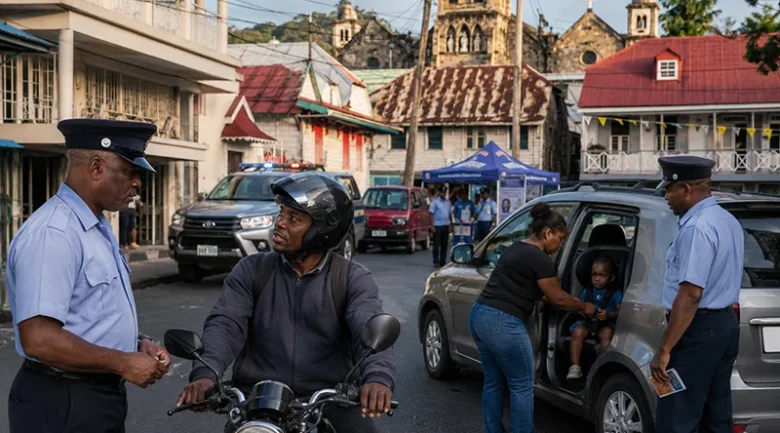
The Motorcycle Helmet and Child Restraint Safety Act is a critical piece of traffic legislation enacted to reform road safety and protect vulnerable road users in Dominica. Designed to address rising rates of vehicular accidents and trauma injuries, the Act establishes strict statutory mandates for the compulsory use of protective helmets by motorcycle riders and introduces standardized child restraint systems for motor vehicles. By aligning local traffic management with international public safety paradigms, the statute provides law enforcement and the magistracy with clear enforcement mechanisms to reduce road fatalities.
Mandatory Helmet Provisions for Motorcycles
The Act introduces robust, non-negotiable safety requirements for all operators and passengers of motorcycles, motor scooters, and mopeds traveling on public roads.
- Compulsory Use: Every person riding or operating a motorcycle must wear a protective helmet that is securely fastened under the chin.
- Passenger Standard: It is an independent offense for a motorcycle operator to carry a passenger who is not equipped with a compliant helmet.
- Manufacturing Standards: To prevent the use of substandard equipment, the legislation mandates that all protective helmets must meet approved national or international safety certifications (such as the Dominica Bureau of Standards or recognized foreign equivalents). Helmets must feature protective impact-absorbing padding and adequate chin-strap retention systems.
Child Restraint System Mandates
Recognising that standard adult seatbelts are insufficient for securing infants and young children, the Act codifies specific child passenger protection protocols for motor vehicles.
- Age and Weight Classifications: The statute requires drivers to secure children under a specified age or weight threshold in an approved child restraint system, commonly referred to as a child safety seat or booster seat.
- Proper Installation: The restraint system must be appropriate for the child’s physical dimensions and must be installed properly according to the manufacturer’s specifications within the rear compartment of the vehicle wherever possible.
- Exemptions: The law provides narrow, specific exemptions for certified medical conditions that preclude the use of such restraints, provided a licensed medical practitioner issues an official exemption certificate.
Enforcement Powers and Statutory Penalties
To ensure widespread compliance, the Act equips the police service with targeted administrative and roadside enforcement powers.
- Power to Stop and Inspect: Police officers hold the authority to signal and stop any vehicle or motorcycle to inspect compliance with helmet and child restraint requirements.
- Summary Offences and Fines: Violations of either the motorcycle helmet mandate or the child restraint provisions are treated as summary offenses. Convictions incur fixed financial penalties, with escalating fines imposed for repeat offenses.
- Driver Liability: Under the child restraint provisions, the legal liability rests entirely on the driver of the motor vehicle to ensure that all minor passengers are legally secured before the vehicle is put in motion.
Public Safety Integration
The Act serves as a statutory anchor for national road safety campaigns managed by the traffic department and health promotion units. By criminalizing non-compliance, the law supports localized public education initiatives by providing a clear legal framework that defines the minimum safety baseline for operating motorized transport.


