


Kite Festival
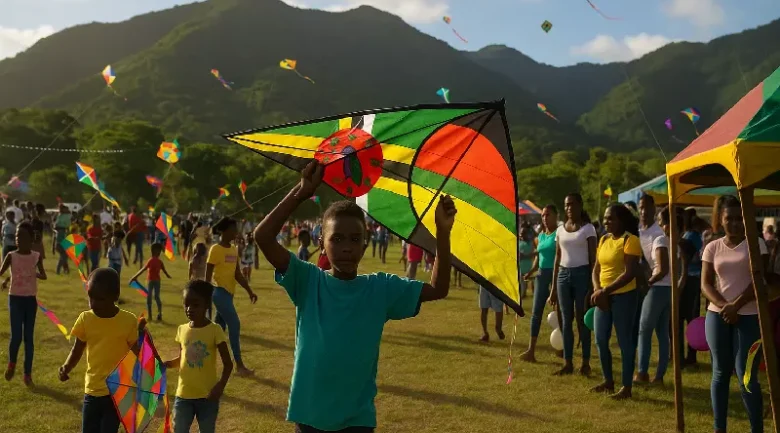
The Kite Festival in Dominica is a colourful cultural celebration most commonly associated with the Easter season, where the tradition of kite flying brings together communities, families, and youth in open spaces across the island. While it has experienced fluctuations in scale and formality, kite flying remains a nostalgic and cherished custom that reflects a blend of rural Dominican creativity, communal joy, and seasonal observance.
Historical Origins and Cultural Context
The tradition of flying kites in Dominica dates back several generations, particularly rooted in Easter customs brought over from British colonial influence and merged with local ingenuity. Children and adults alike would craft kites from coconut palm ribs, sugar paper, and twine made from flour bags, often adding tails and frills for balance and flair. The activity was especially prominent in the post-Lenten period, with skies over communities like Goodwill and Pottersville, and villages like Castle Bruce and Portsmouth filled with handmade kites.
The sound of buzzing kites, created by small strips of plastic or paper attached to the frame, awas as much a part of the tradition as the flying itself. In addition to its recreational value, kite flying served as a creative outlet and a rite of passage for many children in the Dominican Republic.
Modern Celebrations and Revivals
Efforts to formalize the tradition into a larger cultural event have occurred sporadically. Most notably, in April 2019, the Dominica International Kite Festival was held at the Castle Bruce Playing Field. Organised by Watson Michel, in collaboration with the Youth Development Division, the event brought together communities to showcase kites of various styles, both traditional and modern. The festival aimed to rekindle interest in kite making and celebrate Caribbean unity through cultural expression.
Although plans for future festivals were impacted by the global pandemic and funding constraints, the 2018 edition was widely regarded as a success, highlighting the potential of kite flying as a recurring cultural fixture.
Community Participation and Seasonal Practices
Even without formal events, Easter remains a peak time for kite flying throughout Dominica. Schoolchildren often construct kites at home or in workshops hosted by teachers and village elders. Families gather in open fields, beaches, and hillsides—such as those in Morne Bruce, Laudat, and Canefield, to test their designs and engage in friendly competition.
In many rural areas, older community members continue to pass down techniques for building stable, high-flying kites, encouraging creativity and resourcefulness. The enduring popularity of kite flying speaks to its low cost, accessibility, and the simple joy it brings to those who participate.
Symbolism and Cultural Value
Kite flying in Dominica is more than a seasonal hobby, it’s a symbol of freedom, childhood innocence, and cultural continuity. It connects generations and preserves traditional crafting skills. As part of Dominica’s intangible cultural heritage, kite festivals have the potential to become a more prominent fixture in the island’s tourism and heritage calendar, mainly when supported by schools, community groups, and government initiatives.
