




Electoral Register
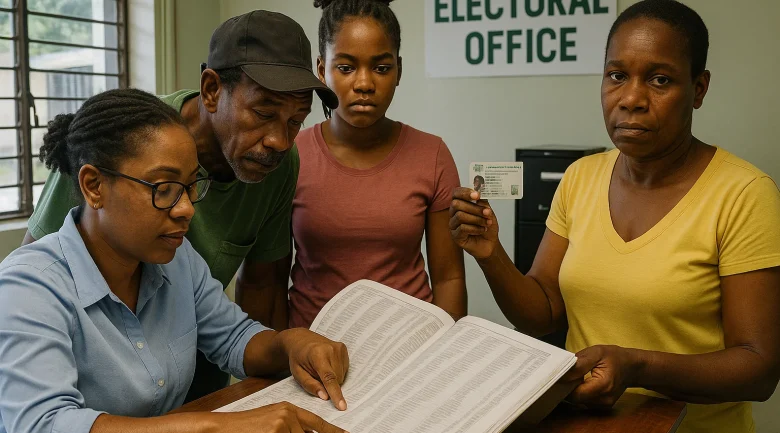
The Electoral Register of Dominica is the official list of eligible electors maintained by the Electoral Office under the supervision of the Electoral Commission. It is the central document that determines who is qualified to vote in national elections, by-elections, and referenda. Officials update the Electoral Register continuously, but the Electoral List freezes those records temporarily for verification and use at polling stations during elections.
Legal Basis and Administration of the Electoral Register
The register is governed by the House of Assembly Elections Act, which outlines how electors are added, removed, or updated. The Chief Elections Officer, appointed by the Commission, is responsible for maintaining the register, ensuring accuracy, and publishing updated lists for public inspection.
Eligibility for inclusion requires that the individual be:
- A citizen of Dominica aged 18 or over,
- Or a Commonwealth citizen resident in Dominica for a legally specified period.
Structure and Publication
The electoral register is organized by constituency, matching the 21 constituencies of Dominica’s House of Assembly. Within each constituency, electors are listed alphabetically with their assigned polling divisions.
- Quarterly lists: The register is revised and published four times a year, giving citizens the opportunity to verify their details.
- Supplementary lists: Include names of newly registered voters and changes in addresses or constituencies.
- Objections and claims: Citizens may object to names included or excluded, with disputes resolved through the Magistrate’s Court.
Use in Elections
The register is the sole authority for polling clerks to determine voter eligibility. On polling day, each elector must present themselves at their assigned polling station where their name is checked against the register. Voter ID cards, though widely used, serve only as proof of identity; it is the inclusion of a name on the register that guarantees the right to vote.
Challenges and Reform Debates
The electoral register has been the subject of political debate, particularly in relation to:
- Accuracy of entries, with concerns over names of deceased persons or emigrants still appearing.
- Calls for re-registration exercises, to produce a fresh and clean register.
- Integration of technology, such as biometrics, to modernize the register and improve transparency.
- Electoral reform initiatives, which consistently highlight the register as central to fair and credible general elections.
Importance
The Electoral Register is more than a technical document; it is a cornerstone of Dominica’s democracy. By ensuring that only eligible citizens can vote, it provides legitimacy to the electoral process, safeguards the integrity of outcomes, and supports citizens’ confidence in their democratic rights.


