

Is Randy Rodney Ready for the UWP Storm Waiting for Him?
A Pastor Steps Forward, But Into What?
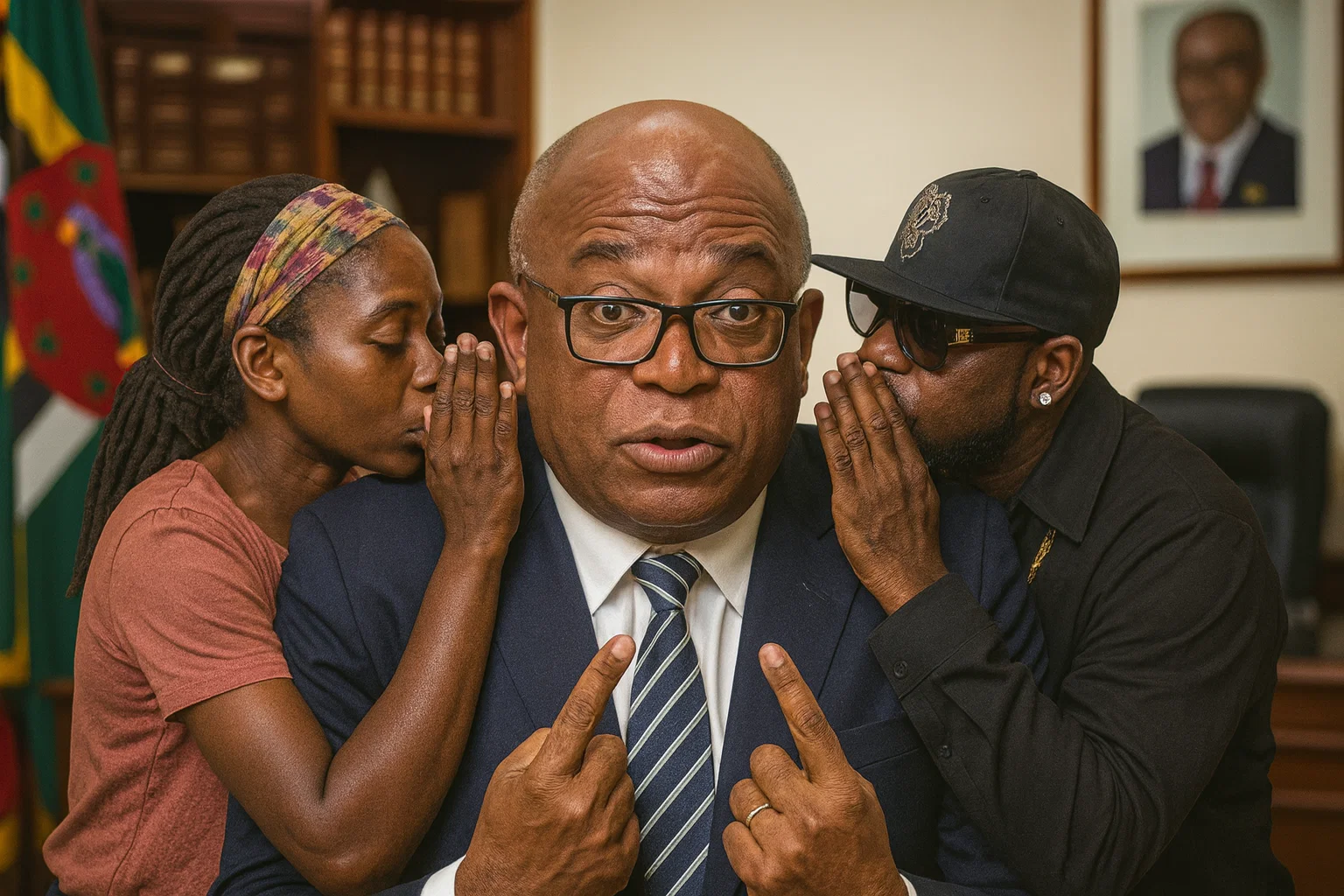
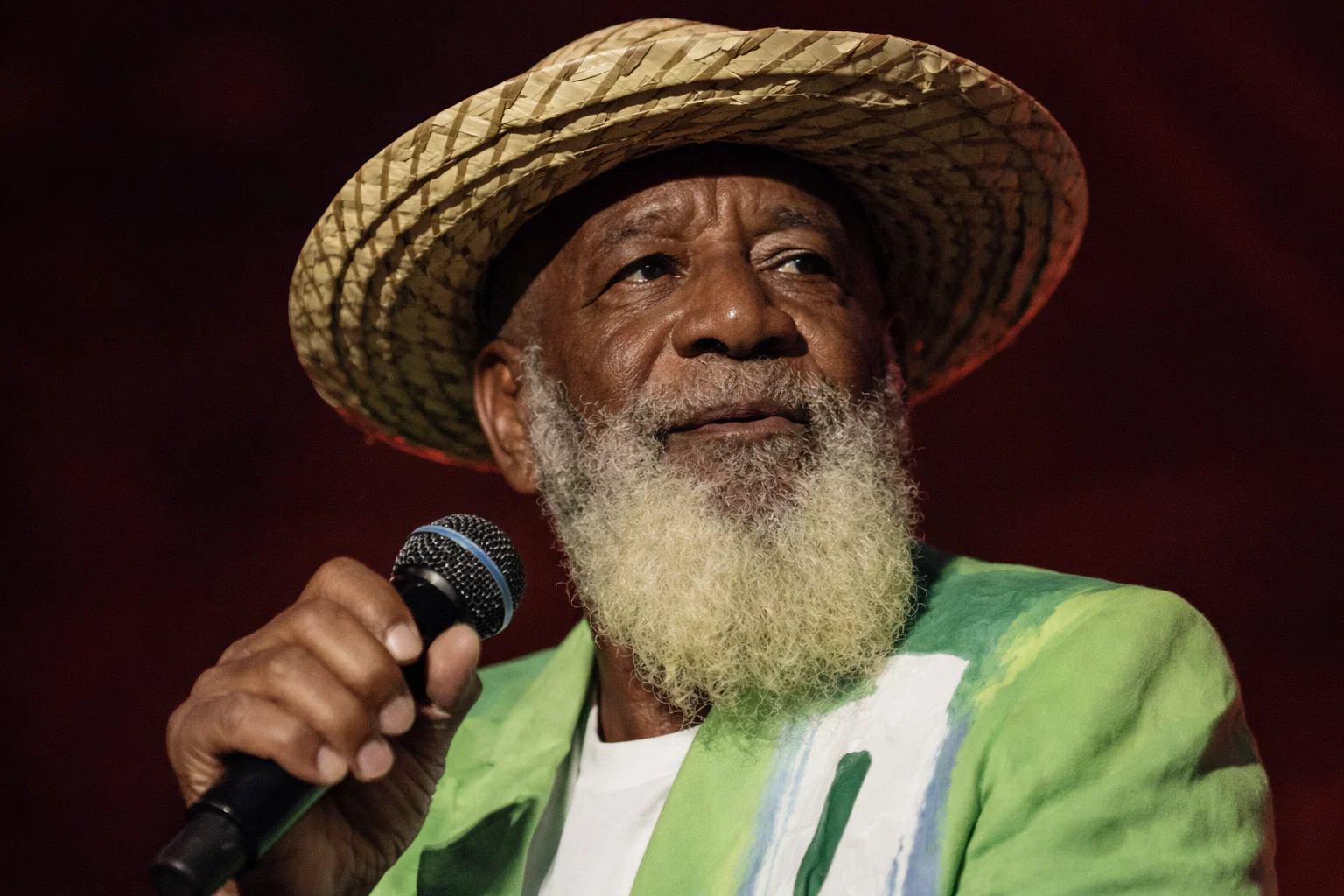
Pastor Randy Rodney’s announcement that he is offering himself “for political office under the umbrella of the United Workers Party” immediately stirred conversation across Dominica. For some, it was surprising; for others, it felt like something that had been building for a while. Rodney is not a stranger to public commentary. He has spent years as a pastor, a radio voice, a debate moderator, and a man comfortable in the public square. But stepping into the heart of a fractured political organisation is an entirely different venture, and anyone who knows Dominican politics can feel the uncertainty in the air.
Rodney speaks with conviction. He says with a sense of mission. But once the declarations fade, the question remains: into what, exactly, is he stepping? The United Workers Party today is not the party of Edison James in the late 1990s, nor the party Lennox Linton tried to refashion through fiery accountability. It is a party still trying to recover from boycotts, resignations, public disagreements, and an election cycle that ended with zero seats in Parliament. There is fatigue among members, fragmentation among supporters, and hesitation from long-time stalwarts who have not openly backed any new leadership direction.
This is the environment Rodney walks into, and it is not easy my people.
A Curriculum that Impresses, But Does It Translate?
Nobody can deny that Pastor Rodney has built a respectable professional life. Years of pastoral leadership, service in evangelical organisations, work in the insurance and financial sector, and steady visibility through his Truth and Grace ministry give him a polished CV. He is articulate, calm under pressure, and knows how to speak to a crowd. These qualities matter in any political contest.
But politics in Dominica does not unfold in a boardroom or on a radio programme. It lives in constituency branches, in village disputes, in party councils, and in the quiet loyalty networks that decide which names rise or fall. Rodney has not built those political roots. He has not fought a general election. He has not managed a party division or rebuilt a crumbling branch office. He has not had to reconcile rival factions in Salisbury, Marigot or Mahaut. The skills he brings are fundamental, but the skills he lacks are noticeable.
Being a respected church leader does not automatically translate to being the leader of a party still struggling to define itself.
Silence from Within the Party Says Its Own Thing
What stands out most right now is the silence. Neither Edison James nor Lennox Linton has openly thrown support behind Rodney’s bid. Both men, in their own ways, still carry influence. Even in retirement, Edison retains a symbolic presence; Linton has a loyal base that sees him as the only man who ever truly challenged the island’s power structure. Their lack of endorsement is not trivial. In Dominica’s political culture, silence is almost always a signal.
The UWP continues to wrestle with its identity. Under Dr. Thomson Fontaine, the party has tried to stabilise itself, especially among the diaspora networks that funded and supported past campaigns. Rodney’s entry now raises uncomfortable questions about whether the party is ready for another leadership contest, whether the base is united enough to absorb it, and whether the structure can sustain yet another internal transition without slipping further into disconnection from the electorate.
From the outside, the party may appear calm. Inside it, people whisper. People wait. People choose their words carefully.
The Pastor-Politician Tension
Rodney’s strongest base is in the church. That brings support, but it also brings complications. In Dominica, congregations are politically mixed. One pew holds a Labour supporter, the next holds someone who blames the government for everything, and the third has a Freedom voter who never fully migrated to either side. When a pastor becomes a partisan figure, the congregation inevitably feels the shift.
Many Dominicans admire Rodney as a spiritual leader. Whether they want him as a political leader is a different question entirely. He cannot simultaneously be the steady counsellor for all sides and the commanding officer of one side. Something will give. Either the congregation will divide quietly, or the political message will soften to the point of losing sharpness.
There is also the broader national sentiment: Dominicans are wary of mixing pulpit authority with party discipline. We’ve seen before how quickly religious credibility can be damaged when a pastor enters political battle. The attacks come harder. The expectations rise higher. And the protections of church life dissolve immediately.
Rodney says he believes it is time for “servanthood in governance.” The idea is noble. The practical pathway, however, is not yet clear.
A Bid That Raises More Questions Than Answers
Rodney’s move has undeniably energized conversation, but conversation alone cannot fix the internal fractures of the UWP. The reality is blunt: the party needs structure, consistent leadership, constituency rebuilding, message clarity, and a plan that reaches beyond radio talk and moral positioning. Right now, Rodney offers presence and integrity, but the party needs machinery, discipline, and a unifying figure who can bring every wing back under one roof.
Dominicans want opposition. They want accountability. They want a choice. But they also want confidence that the person stepping forward has the internal backing to lead, the experience to unify, and the resilience to withstand the turbulence that accompanies every political cycle on this island.
As it stands, Rodney’s bid feels like a spark, not yet a flame, and certainly not yet a torch that can guide a fractured party out of its long shadow.
If he is serious, the work ahead will require more than conviction. It will require him to prove that a pastor can become a politician without losing his footing, and that a voice from the pulpit can steady a party still searching for its rhythm.
This article is copyright © 2025 DOM767