



Social Protection Management Information System (SPMIS) in Dominica
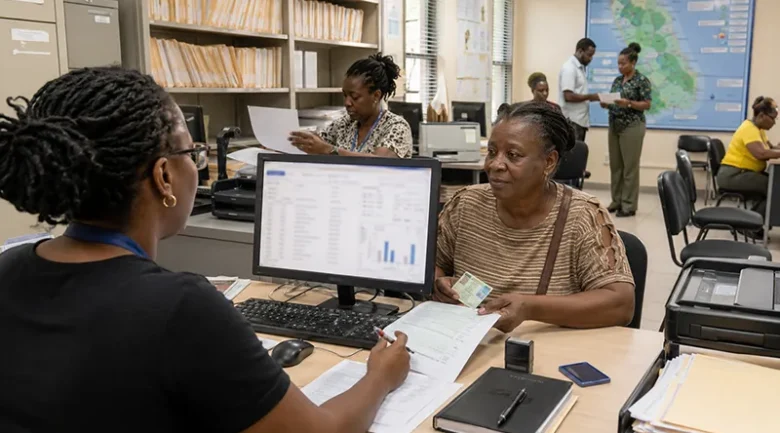
The Social Welfare Information Management System in Dominica (SWIMS) is the primary centralised digital repository and data framework utilised by the state to manage, monitor, and execute its social safety net programs. Administered by the Department of Social Services under the Ministry of Health, Wellness and Social Services, SWIMS functions as the institutional baseline for targeting, registering, and distributing aid to vulnerable and low-income populations across the island’s ten parishes.
Historically characterised by fragmented, manual paper files across local district clinics and village councils, the social protection sector in the Commonwealth of Dominica has transitioned toward this consolidated digital platform. By unifying data entry, screening criteria, and benefit rosters, the system minimises duplicate claims, reduces administrative backlogs, and ensures public safety resources are allocated strictly according to verified socio-economic thresholds. Furthermore, SWIMS acts as a vital tool for disaster risk management, allowing the state to rapidly track, identify, and support climate-impacted households following severe weather events.
Legal Mandate and Institutional Architecture
The deployment and governance of SWIMS are aligned with national public finance rules and social development agendas.
Administrative Oversight
The operational execution of SWIMS rests with the Social Welfare Division in Roseau, working in tandem with the Information and Communication Technology Unit. The system serves as the technical vehicle to administer programs authorised by central budget allocations. Unlike the contributory social insurance fund operated by Dominica Social Security under the Social Security Act (Chap. 31:01), SWIMS is designed exclusively to handle non-contributory, tax-funded social protection interventions targeted at extreme poverty alleviation.
Core Modules and Sub-Systems
The platform features separate functional modules to streamline the lifecycle of social assistance:
- The Intake and Registry Module: Captures comprehensive demographic profiles, household sizing, geographic data, and individual identification data.
- The Eligibility and Needs Assessment Engine: Utilizes verified income metrics and dependency ratios to cross-check whether applicants qualify for relief.
- The Beneficiary Management and Payment Log: Tracks the volume, dates, and fulfillment states of monthly cash transfers and specialized in-kind assistance.
- The Audit and Compliance Register: Flags discrepancies, duplicates, or unverified files, facilitating the systematic removal of ineligible names from the active public register.
Digital Consolidation of Social Safety Programs
SWIMS integrates several of Dominica’s long-standing social protection initiatives into a single digital database, eliminating the need for independent, disconnected records.
- The Public Assistance Programme (PAP): The island’s foundational cash transfer mechanism, which provides recurring financial aid to the elderly, persons with permanent disabilities, and families with orphaned children, uses SWIMS as its official database for monthly rosters and statutory means tests.
- The “Cash Plus” Initiative: Run in collaboration with international bodies like UN Women Caribbean and funded via Global Affairs Canada’s Build Back Equal Project, this framework links directly with SWIMS. The system identifies vulnerable single mothers and female heads of households, tracking their progress as they receive integrated technical skills training, childcare support, and reproductive healthcare access.
- District Care and Foster Allocations: The database tracks subventions directed toward foster parents, child protection services, and home-care allowances for bedridden citizens managed by localized District Welfare Officers.
Climate Resilience and Shock-Responsive Protocols
Given Dominica’s geographic vulnerability to severe tropical storms and hurricanes, the modernization of SWIMS has been intentionally tailored to meet shock-responsive social protection demands.
The DECHA Form Integration
The Ministry of Health, Wellness and Social Services, with technical and logistical support from the United Nations World Food Programme (WFP), integrated the Dominica Emergency Household Assessment (DECHA) form directly into the SWIMS infrastructure. The DECHA tool serves as a standardised, multi-stakeholder data-collection template deployed by field officers immediately after a natural disaster.
The Role of the World Food Programme (WFP)
To strengthen the system’s operational continuity during crises, the WFP Caribbean Multi-Country Office provides continuous technical assistance. This includes outfitting local field stations, the Office of Disaster Management (ODM), and various island-wide village councils with specialized IT infrastructure, including desktop computers, laptops, and ruggedized tablets.
This digital network allows local authorities to sync post-disaster field data from remote locations directly with the central system in Roseau. As a result, the state can bypass slow paper assessments, identify households facing acute food or housing insecurity, and coordinate emergency relief faster and with greater accountability.
Data Accountability and Security Standards
To safeguard the personal information of citizens and ensure compliance with public sector auditing rules, SWIMS enforces rigid structural security layers:
- Identity Verification and Deduplication: The database requires the input of unique national identifiers, such as national voter identification numbers or social security codes, to prevent individual applicants from establishing duplicate beneficiary files under alternate names or addresses.
- Role-Based Access Control: Access to private household financial metrics is strictly restricted. General field clerks retain entry-only privileges, whereas changes to eligibility statuses or payment approvals require authenticated digital signatures from senior Social Welfare Supervisors or the Permanent Secretary.
- Inter-Agency Alignment: The system coordinates data sharing with The Registry Division and the Ministry of Finance’s Treasury Department. This cross-matching ensures that if a public assistance recipient passes away or successfully transitions into steady employment, their status is updated on the registry, minimizing the risk of fraud or wrongful payments.


